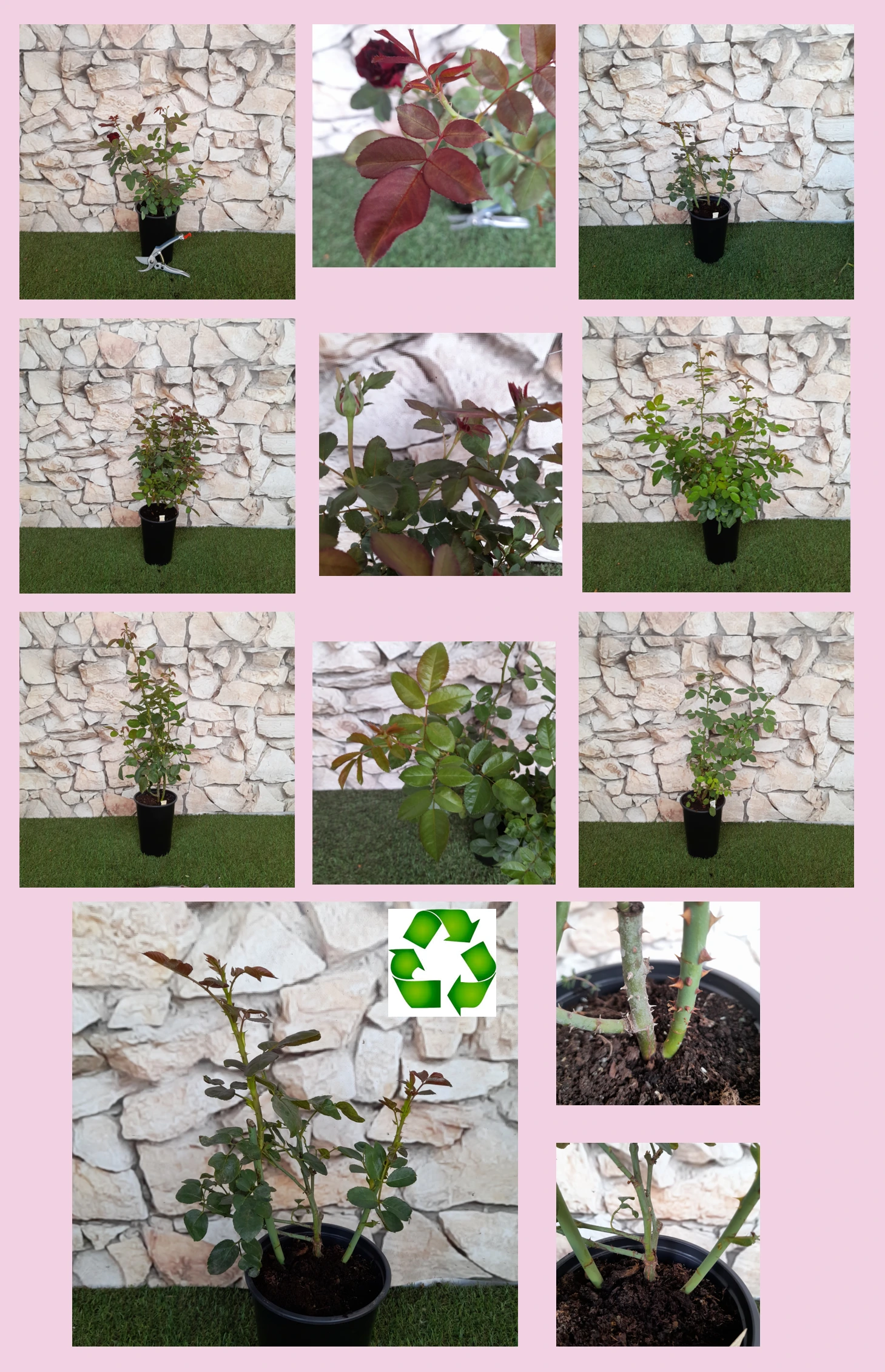
SENLITSU – pink hybrid tea rose – Kunieda
Bring a touch of storybook romance to your garden with SENLITSU, a delicately cupped, pastel-pink hybrid tea rose that suits relaxed, “girly” cottage borders as easily as smart front gardens. Its upright, compact habit fits typical family plots and town gardens, while the dense, dark green foliage frames each large bloom like fine china on a dresser. Bred in Japan for reliability, it offers good disease resistance and a low-intervention routine, ideal when you want beauty without constant fuss. This own-root plant settles deeply over time, giving reassuring longevity and the ability to regenerate if pruned harder or weather knocks it back. You gain stable ornamental value through the seasons, with pastel flowers for cutting and discreet autumn hips for extra interest. Its mild, harmonious fragrance adds a gentle cosiness to afternoon tea beneath an arbour, while the good heat tolerance keeps petals composed even in warm spells. With a little thought to soil preparation it copes well in gardens where heavy clay benefits from extra drainage, making SENLITSU a quietly dependable choice for busy, style-conscious households.
Usage options
| Target area | Reasoning |
|---|
| Near a seating area or garden arbour |
The soft pink, cup-shaped blooms and mild, harmonious fragrance create a calm, romantic backdrop for afternoon tea or evening unwinding, without overwhelming the space. Low maintenance care suits busy urban garden owners. |
| Mixed cottage-style border in a family garden |
Its compact, upright growth and dense foliage make it easy to weave between perennials and herbs in small to medium borders, giving reliable colour without dominating neighbouring plants, ideal for lovers of romantic cottage style. |
| Feature rose in a large container (40–50 litres or more) |
The tidy habit and repeat flowering lend themselves to patio pots, where a substantial container stabilises roots and reduces watering swings, providing seasonal impact with simple upkeep for beginners seeking straightforward success. |
| Cutting patch beside a kitchen or allotment garden |
Large, very double blooms on sturdy stems are excellent for vases, while the own-root form endures years of cutting and occasional hard pruning, giving a steady supply of flowers for homeowners who enjoy homegrown bouquets. |
| Front garden or entrance path planting |
The neat, upright structure and glossy, dark foliage keep the plant looking composed between flushes, offering a welcoming, traditional look that stays presentable with minimal deadheading for family buyers who value kerb appeal. |
| Low-maintenance rose bed with simple care routine |
Good disease resistance and modest nutrient needs mean fewer treatments and less worry; planting once and following a light annual prune delivers dependable flowering, reassuring for those who want beauty without complicated gardening tasks. |
| Long-term structural rose in an established garden |
As an own-root rose it matures steadily, regrows well after harsh winters or renovation pruning, and maintains its character over many years, suiting gardeners planning a lasting, evolving garden picture. |
| Roses in gardens with challenging heavy clay soils |
Given improved soil and raised or loosened planting spots, its good vigour and resistance allow it to establish strongly even where heavy clay needs careful preparation and better drainage, supporting hobby gardeners on less-than-ideal sites. |
Styling ideas
- COTTAGE BORDER DUO – Combine SENLITSU with trailing bellflower and soft grasses for a frothy, pastel edge that flowers reliably with little intervention – ideal for relaxed family gardeners.
- ROMANTIC PATIO POT – Plant one rose in a 50‑litre container with low, white herbs at the base to enjoy repeat blooms and fragrance near the seating area – perfect for busy urban balcony or terrace owners.
- TEA-ROSE WALKWAY – Line a path with evenly spaced plants to create a gentle, traditional rose avenue that stays healthy and upright with basic annual pruning – suited to homeowners seeking classic kerb appeal.
- KITCHEN-CUTTING CORNER – Place a small group near the kitchen garden, interplanted with lavender, for easy-to-reach cut flowers and simple care – appealing to cottage-style cooks who love fresh bouquets.
- STRUCTURAL ROSE FOCAL – Use a single specimen as a calm focal point among shrubs, where its long-lived, own-root structure anchors the planting – for planners of enduring, low-fuss garden schemes.
Technical cultivar profile
| Parameter | Data |
|---|
| Name and registration |
SENLITSU – pink hybrid tea rose – Kunieda; Hybrid Tea group, commercial hybrid tea rose; meaning “melody” in Japanese; current trade name used by Wabara and partners. |
| Origin and breeding |
Second‑generation bud mutation from ‘Yūzen’, bred by Keiji Kunieda at Rose Farm Keiji, Shiga Prefecture, Japan; bred 2011, introduced 2018, own-root production selected for garden use. |
| Growth and structural characteristics |
Upright hybrid tea, about 80–110 cm tall and 50–70 cm wide, with dense, slightly glossy dark green foliage and moderate prickles; forms a stable, balanced framework over time in garden settings. |
| Flower morphology |
Large, very double, cup-shaped blooms with over 40 petals, borne mainly solitary on stems; remontant with an abundant second flush, providing good material for cutting and repeated garden display. |
| Colour data and phenology |
Delicate light pink with faint lavender tones; ARS LP, RHS 65C and 76D; buds soft pink with silvery-lilac veiling, deepening in cool weather and fading paler in strong sun, offering gentle tonal variation. |
| Fragrance and aroma |
Mild yet pleasant fragrance with a harmonious, classic rose character; perceptible at close range around seating or paths, without being overpowering indoors or in confined courtyard gardens. |
| Hip characteristics |
Produces moderate numbers of small, spherical orange‑red hips, around 10–14 mm in diameter, adding unobtrusive late‑season interest if some spent flowers are left uncut in autumn. |
| Resistance and winter hardiness |
Good resistance to powdery mildew, black spot and rust; tolerates heat with regular watering in prolonged drought; hardy approximately to −21 to −18 °C (RHS H7, USDA 6b, Swedish zone 3). |
| Horticultural recommendations |
Best in sunny sites with improved soil; suitable for beds, hedging or 40–50+ litre containers; plant 40–80 cm apart; low maintenance, though deadheading improves appearance and prolongs blooming. |
SENLITSU offers romantic pastel blooms, dependable health and long-lived own-root strength in an easy-care form, making it a thoughtful choice when you want enduring beauty without demanding maintenance.