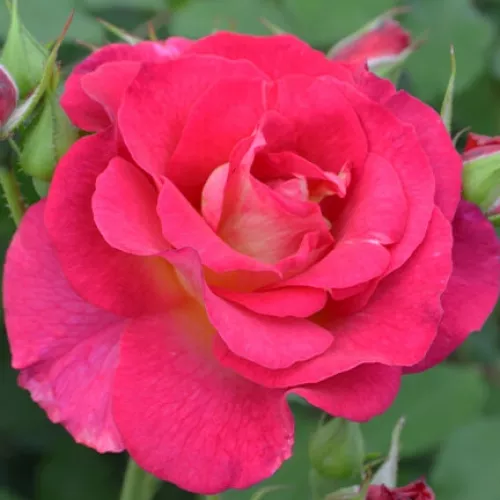
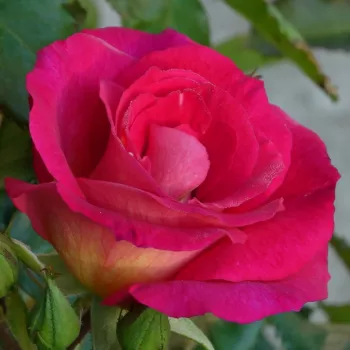
VILLE DE COURBEVOIE – pink bedding floribunda rose
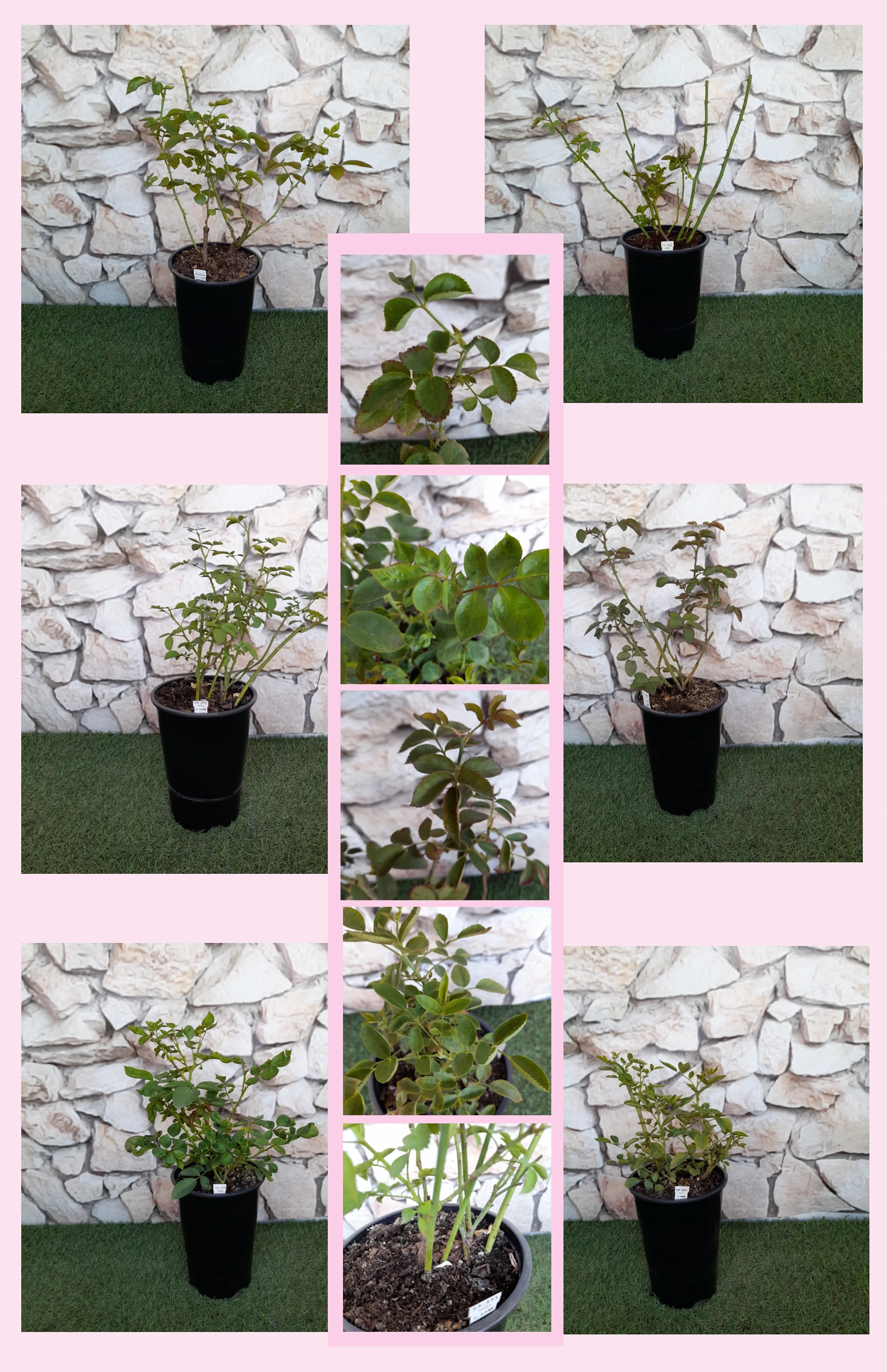
With its bushy habit and softly pastel blooms, VILLE DE COURBEVOIE creates an instant cottage-garden romance in beds and borders, settling in easily even where soils are heavy and drainage needs a little extra care. Masses of cluster-flowered, medium-sized roses appear in generous flushes from early summer onwards, with a particularly strong repeat that keeps borders looking fresh around seating areas and paths. The mid-pink flowers gently fade to pearlescent pastel tones, giving a harmonious palette that flatters hedging, kitchen-garden planting and informal mixed borders. This own-root rose offers reassuring long-term resilience, quietly rebuilding from the base after pruning or weather damage and providing dependable structure in family gardens. In its first years it focuses on roots, then frames more visible shoots, before revealing its full ornamental character as a mature, flower-filled shrub. VILLE DE COURBEVOIE adapts well to containers of 40–50 litres or more, so you can bring this storybook charm to patios, smaller spaces and town gardens with minimal ongoing effort.
Usage options
| Target area | Reasoning |
|---|
| Front-of-border bedding in a family garden |
The low, bushy habit and dense foliage form a neat green base that quickly fills gaps at the front of mixed borders, ideal where children play and paths are close by. Medium-sized cluster blooms give reliable colour without needing complex pruning, suiting those who want simple seasonal care for a classic cottage look, especially beginners. |
| Romantic mass planting along a path or drive |
Planted at the recommended close spacing, VILLE DE COURBEVOIE knits into a seamless ribbon of pink, with repeated flushes keeping entrances and front gardens welcoming through the season. The own-root structure builds a long-lived, solid planting that copes well with routine trimming, appealing to those seeking a once-planted, long-term feature, particularly homeowners. |
| Low flowering hedge around a kitchen garden |
The dense, mid-green foliage and moderate prickles form a gentle, flower-topped boundary that softens vegetable beds and fruit cages. Repeating pastel blooms tie in beautifully with herbs and cottage perennials, while medium maintenance needs mean only light deadheading and seasonal tidying, fitting those who value charm but have limited time, notably allotmenteers. |
| Patio container in 40–50 litre or larger pots |
In a generous pot, the compact, bushy shape and repeated flowering bring colour right to the seating area or back door. Own-root vigour helps the plant recover if watering lapses or weather stresses it, provided the compost is not left dry for long, making it attractive for those managing small terraces or balconies, especially busy urbanites. |
| Cottage-style mixed planting with perennials |
The soft mid-pink that fades to pearlescent pastel tones blends effortlessly with Alchemilla, salvias and other perennials, giving that “girly” English countryside feel without clashing colours. Medium-height clusters weave through companion plants for layered texture, ideal for those curating charming, photographable borders, particularly romantic-style gardeners. |
| Informal flowering accent in urban green spaces |
Steady, remontant flowering and a tidy, bushy habit make this cultivar suitable for small communal beds and front gardens where visual impact is needed with only occasional maintenance. Medium disease resistance and own-root durability provide a stable display under typical urban conditions, suiting shared or managed plots tended by local residents. |
| Coastal or wind-exposed family gardens |
The moderately compact height and bushy frame help it stand up to breezy conditions, while its dependable flowering keeps colour going even when weather is changeable and soils are heavier, perhaps needing raised beds where drainage is poor. This combination works well for households near exposed sites, especially pragmatic coast-dwellers. |
| Easy-care focal point near seating or play areas |
With very light fragrance and tidy growth, this rose suits spots close to patios, play corners or afternoon tea areas where you want visual romance without strong scent. Own-root growth ensures that, after the early root-then-shoot building phase, it settles into a stable, long-lived feature valued by time-pressed but style-conscious families. |
Styling ideas
- Cottage-Ribbon – edge a narrow path with a double row of VILLE DE COURBEVOIE, interplanted with lady’s mantle to catch the pink petals, for a storybook cottage feel – for lovers of soft, romantic borders
- Kitchen-Halo – frame raised vegetable beds with a loose hedge of these roses, underplanted with chives and thyme, to blur the line between potager and flower garden – for home cooks who cherish rustic charm
- Pastel-Patio – place one or two plants in large 50 litre terracotta pots, adding trailing ivy and white lobelia, to create a gentle pink focus by seating areas – for balcony and terrace owners wanting low-fuss colour
- Frontage-Screen – repeat small groups along a front fence with shrubby cinquefoil and ornamental grasses, softening hard boundaries while keeping views open – for suburban households improving kerb appeal
- Parklet-Blend – combine clusters of VILLE DE COURBEVOIE with salvias and hardy geraniums in communal beds to achieve season-long structure and bloom – for shared or community-maintained planting schemes
Technical cultivar profile
| Parameter | Data |
|---|
| Name and registration |
VILLE DE COURBEVOIE, bedding floribunda rose; registered as EVEgrific, ARS exhibition name VILLE DE COURBEVOIE; group Floribunda, commercial bed rose for garden and landscape use. |
| Origin and breeding |
Bred by Jérôme Rateau in France in 2011, introduced 2021 by Les Roses Anciennes André Eve; parentage undocumented; named after the French town of Courbevoie and selected for bedding performance. |
| Awards and recognition |
Recognised internationally: Nyon gold medal (floribunda, 2021), Saverne certificate of merit (2021), Rome silver medal (floribunda, 2021), Le Roeulx certificate of merit (2021) for garden and show value. |
| Growth and structural characteristics |
Bushy shrub reaching about 70–110 cm high and 50–70 cm wide, moderately prickly with dense, slightly glossy mid-green foliage; forms compact, well-branched mounds suitable for bedding and low hedges. |
| Flower morphology |
Double, cup-shaped blooms with around 26–39 petals, medium-sized (approximately 4–7 cm), produced in clusters on branching stems; remontant with a particularly abundant second flush in suitable conditions. |
| Colour data and phenology |
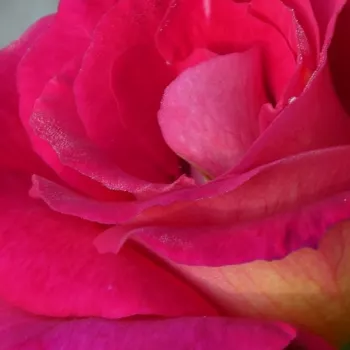
Mid-pink outer petals with lighter inner tones; buds vivid pink, flowers fading to light pastel with pearlescent edges; ARS pink blend, RHS 62C outer, 158D inner; colour retention good through normal summer weather. |
| Fragrance and aroma |
Fragrance very weak to almost imperceptible, making it suitable for seating areas where strong scent is not desired; not primarily chosen for perfume but rather for colour effect and bedding performance. |
| Hip characteristics |
Produces moderate quantities of small, spherical red hips about 6–10 mm in diameter in late season if spent blooms are left; hips add a subtle decorative note and light wildlife interest in autumn. |
| Resistance and winter hardiness |
Hardy to approximately –21 to –18 °C (USDA 6b, RHS H7, Swedish Zone 3); medium resistance to black spot, powdery mildew and rust; tolerates heat with regular watering during extended dry spells. |
| Horticultural recommendations |
Best in sunny positions with reasonably drained soil; plant 35–65 cm apart depending on use; suitable for beds, low hedges, large containers and urban plantings; medium maintenance with occasional plant protection as needed. |
VILLE DE COURBEVOIE offers soft, repeat pink flowering, a compact, bushy shape and enduring own-root reliability, making it a thoughtful choice for relaxed, romantic beds and containers you plan to enjoy for many years.