SOYEUSE DE LYON – orange hybrid tea rose – Ducher
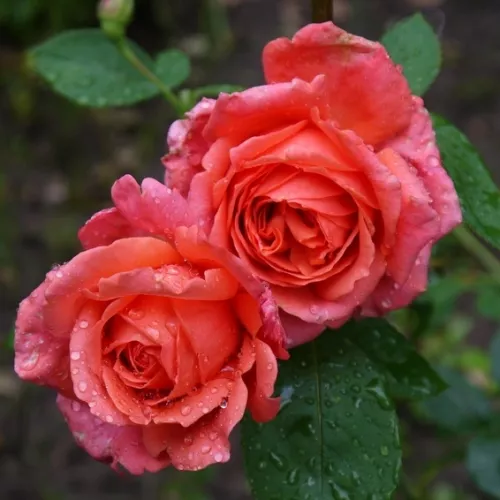
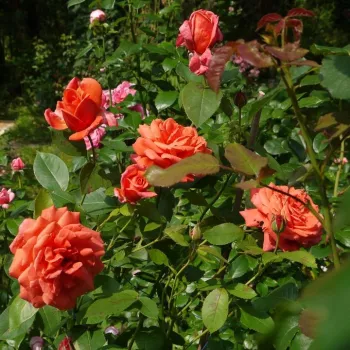
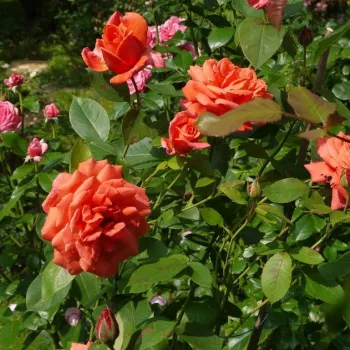
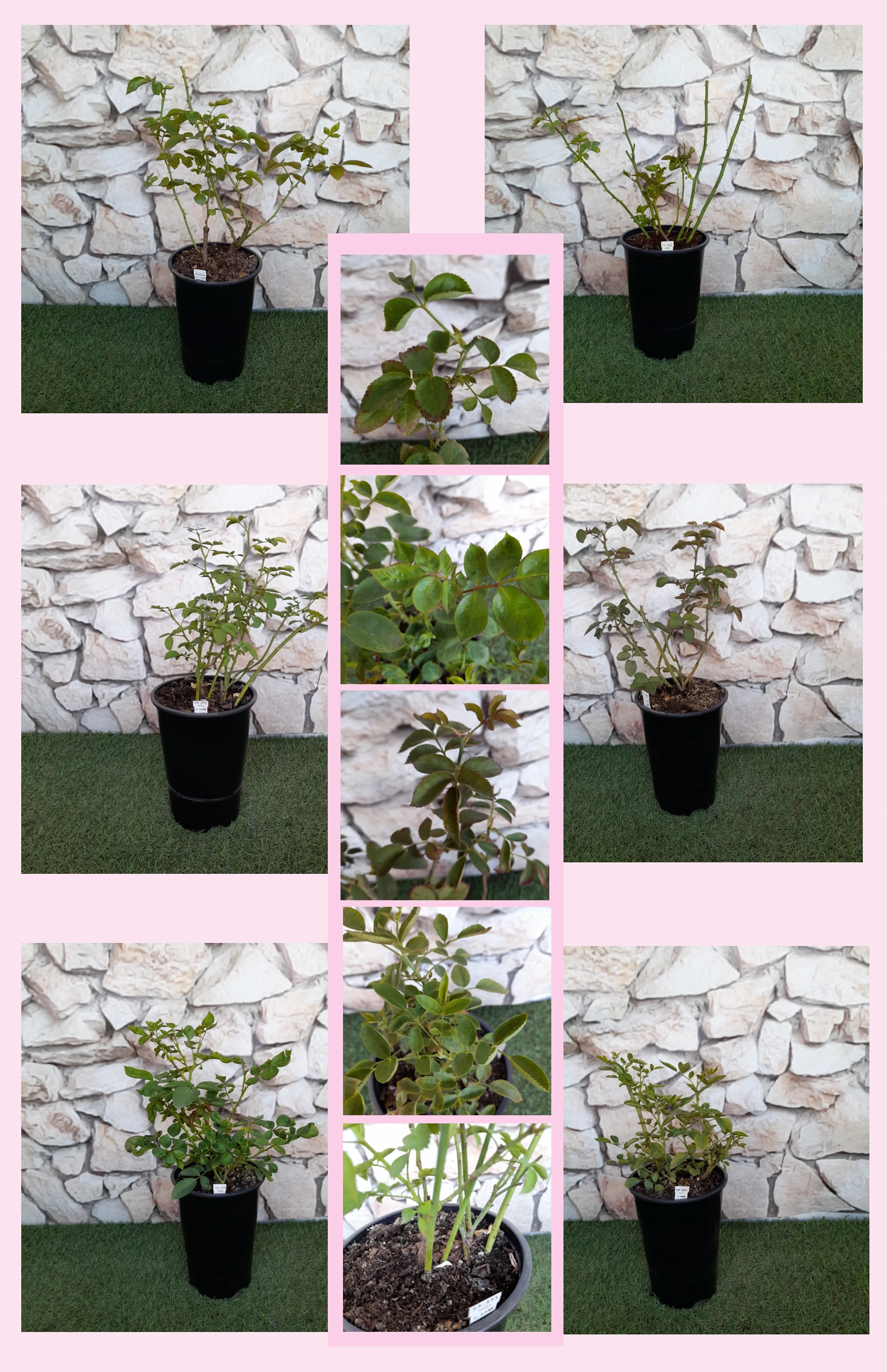
With its refined salmon-orange blooms and gently cupped shape, SOYEUSE DE LYON brings a romantic, storybook atmosphere to everyday gardens, creating a sense of afternoon-tea cosiness among herb beds and cottage-style borders. This bushy hybrid tea is naturally healthy, with modern disease resistance that keeps foliage attractive even in damp, fungus-prone summers and along breezier, more exposed coastal plots. At around a metre high it stays manageable in scale, settling well into family gardens without dominating small spaces. As an own-root plant it is reliably stable, regenerating from its base and building a long-lived framework that suits low-intervention gardening. Container-friendly and upright, it is ideal as a feature rose in a 40–50 litre pot by the terrace, or as a repeat-flowering cut flower source for the kitchen table. Across its first few seasons it moves from root establishment, to stronger new shoots, to full ornamental impact, becoming a quietly dependable presence in your garden.
Usage options
| Target area |
Reasoning |
| Cottage-style flower bed by the patio |
The compact, upright habit and medium height allow this rose to slot neatly into mixed borders near seating areas, giving romantic colour without overwhelming the space; ideal for beginners. |
| Low-maintenance family garden border |
Modern disease resistance keeps foliage attractive with minimal spraying, supporting busy households who prefer to avoid high-maintenance roses yet still enjoy traditional blooms; well suited to busy owners. |
| Feature rose in a large container (40–50 litres) |
The bushy, vertical growth and solitary, exhibition-type flowers make an elegant focal point in a substantial pot on terraces or balconies, with easy access for light pruning; perfect for urbanites. |
| Cutting row in a kitchen or cutting garden |
Long-stemmed, double blooms and remontant flowering provide a steady stream of refined stems for vases and table settings, bringing cottage-garden romance directly indoors; appealing to florists. |
| Small specimen in front lawn or courtyard |
Its moderate stature and upright, bushy outline read clearly as a single specimen, giving structure without needing elaborate pruning, and fitting neatly into average suburban plots; ideal for homeowners. |
| Romantic border on heavier, moisture-retentive soils |
The strong health of this variety partners well with careful drainage improvements on clay, remaining reliable even where wind and rain are frequent, helping maintain a composed look; reassuring for coastal gardeners. |
| Long-term planting in traditional mixed shrub borders |
Being own-root, the plant can regenerate from its base if cut back hard, supporting a long lifespan and steady ornamental value as part of established garden structures; suited to planners. |
| Developing rose area over the first three years |
After planting, it focuses on rooting, then produces stronger new shoots, before reaching full display by about the third year, giving a predictable development curve for small family gardens; reassuring for novices. |
Styling ideas
- Kitchen-border charm – Line SOYEUSE DE LYON beside herbs, lavender and low box edging for a soft, cottage look that frames paths to a back door – for traditional family cooks and cottage-style lovers
- Terrace focal-point – Plant one rose in a 40–50 litre clay pot with trailing thyme and soft grasses to create a romantic feature near outdoor seating – for urban gardeners seeking easy elegance
- Pastel cutting corner – Combine with bluebeard, catmint and pale foxgloves to produce a steady supply of pastel-toned stems for vases – for home florists and creative arrangers
- Low-care hedge – Space plants at 50–60 cm to form a loose, flowering screen along a path or drive, needing only light annual pruning – for busy households wanting structure with little work
- Storybook front garden – Mix with lavender, box spheres and cottage perennials around a gate or path to echo an English countryside entrance – for those who value first impressions and romance
Technical cultivar profile
| Property |
Data |
| Name and registration |
Hybrid tea rose, registered as DUCsoy and marketed as SOYEUSE DE LYON; part of the hybrid tea group, offered here as an own-root, container-grown garden rose for private plantings. |
| Origin and breeding |
Bred by Fabien Ducher at Roseraie Ducher, France, with unknown parentage; introduced and registered in 2007, continuing a long Lyonnaise tradition of refined exhibition-type garden roses. |
| Awards and recognition |
Selected as the official commemorative rose by Lyon City Council for the 150th anniversary of Parc de la Tête d’Or in 2007, underlining its cultural and ornamental significance in its home city. |
| Growth and structural characteristics |
Bushy, upright hybrid tea rose reaching about 105–135 cm in height and 60–85 cm spread; moderately thorny canes with moderately dense, dark green, slightly glossy foliage giving a tidy overall outline. |
| Flower morphology |
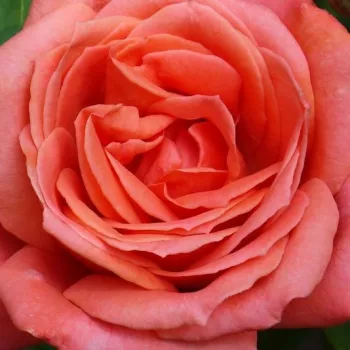
Large, double, cupped blooms with around 26–39 petals, mostly borne singly on stems; remontant habit ensures a generous second flush, making it suitable for both beds and cutting purposes. |
| Colour data and phenology |
Medium salmon-orange base with pink undertones; buds bright orange, opening to warm orange-salmon, then soft peach-pink before fading, with RHS 25C outer and 25D inner tones and moderate colour retention. |
| Fragrance and aroma |
Displays a mild, pleasantly understated rose fragrance that complements, rather than dominates, seating areas or dining terraces; fully double blooms offer limited value for pollinators and are mainly ornamental. |
| Hip characteristics |
Occasionally develops small, spherical red hips about 8–12 mm in diameter; hips are not a dominant ornamental feature but add a light seasonal accent if deadheading is not fully carried out. |
| Resistance and winter hardiness |
Good resistance to black spot, powdery mildew and rust under garden conditions; rated roughly USDA zone 6b, RHS H7, tolerating winter lows around −21 to −18 °C with standard garden care. |
| Horticultural recommendations |
Suited to beds, specimen planting and cutting; plant about 60 cm apart in groups, 50 cm in hedges or 90 cm as specimens, in well-drained soil with regular watering during establishment and moderate annual pruning. |
SOYEUSE DE LYON offers healthy, remontant blooms on a manageable, long-lived own-root shrub, making it a graceful, low-effort choice for those planning a romantic, enduring garden feature.