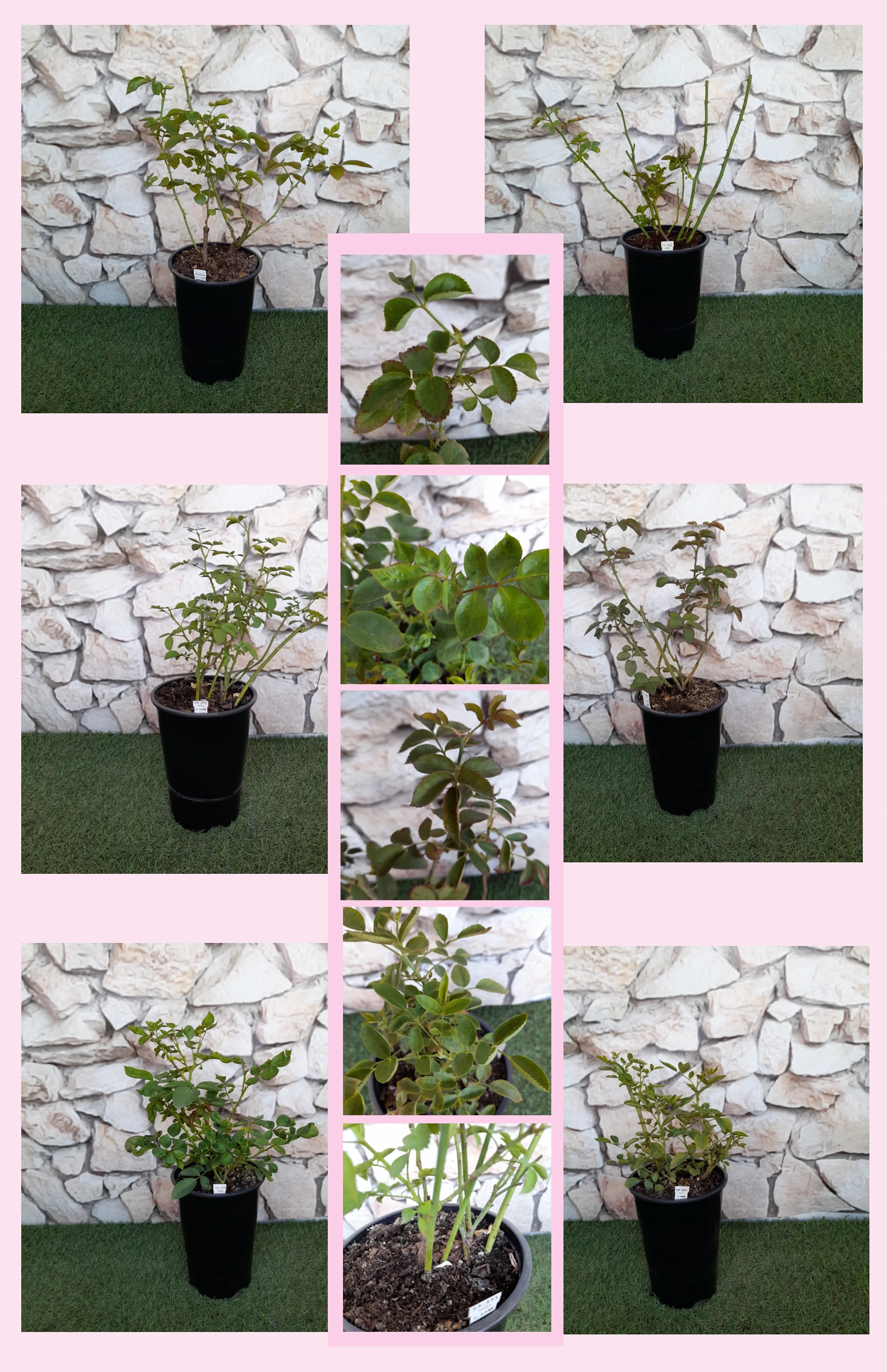
REINE LUCIA – lemon-yellow climbing rose – Kordes
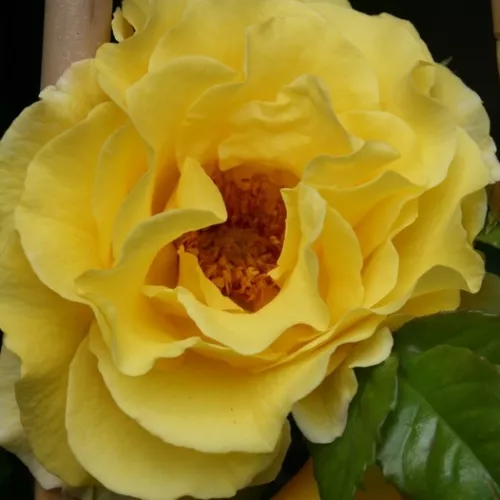
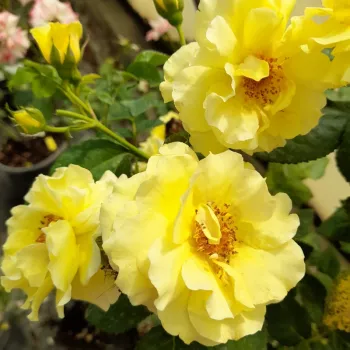
This classic climbing rose wraps arbours, pergolas and sunny house walls in a soft lemon glow, its cup-shaped clusters creating a distinctly romantic, storybook feel in even the smallest family garden. Medium-sized, semi-double flowers open in vivid lemon-yellow, then mature to a creamy, light yellow, giving your outdoor space a gentle, living sunrise effect from late spring into autumn. The dense, glossy dark foliage sets off the blooms beautifully, while the medium, clearly noticeable fragrance adds a welcoming, afternoon-tea ambience. Own-root planting means the shrub builds strength steadily and can regenerate well after pruning or weather damage, supporting a long, reliable life in your garden. In coastal or exposed sites it anchors itself firmly, coping steadily with typical British wind and showers in an average family plot. Semi-double, pollen-rich flowers invite in bees and other visitors, helping your kitchen garden and borders feel quietly alive. Over time the upright, well-foliaged canes create a leafy, vertical backdrop that frames windows, seating areas or gateways in a relaxed, English-cottage way. Year by year, you will notice roots strengthening, shoots extending and, by the third season, the rose reaching its full ornamental potential.
Usage options
| Target area | Reasoning |
|---|
| Climbing over an arbour or pergola near a seating area |
The medium-height, upright canes are ideal for training over an arbour, where the lemon-yellow, clustered flowers and medium fragrance create a romantic, afternoon-tea atmosphere above head height; best for those seeking a cosy, scented corner homeowners |
| Softening a sunny house wall or garage |
Planted 40–60 cm out from a south or west-facing wall, the dark, glossy foliage forms a dense green curtain while the blooms add gentle colour without overwhelming the façade, giving traditional character to modest front gardens busy-urban-gardeners |
| Classic cottage-style border backdrop |
Used as a vertical accent at the back of a mixed border, the 150–240 cm height and upright habit provide a leafy, romantic backdrop for perennials, giving structure and colour from spring to autumn with minimal complex shaping required beginner-gardeners |
| Fragrant focal point near gates or paths |
Planted as a specimen near an entrance, the clearly noticeable fragrance and changing lemon tones draw attention without needing constant deadheading; own-root vigour supports long-term presence where replanting would be inconvenient traditional-style-lovers |
| Supporting a wildlife-friendly kitchen garden |
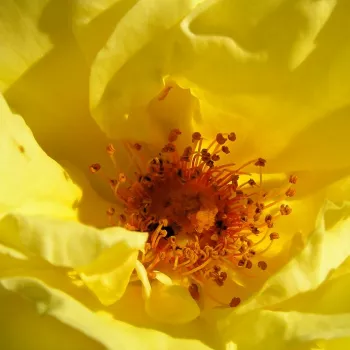
The semi-double, open flowers with clearly exposed stamens are attractive to bees, and when hips form they add autumn interest; this makes the plant an appealing vertical feature beside beds of herbs and vegetables cottage-garden-enthusiasts |
| Climbing feature in raised beds on heavier soils |
Where soil is heavier, planting into a raised bed or well-improved strip allows the own-root plant to establish gradually; roots strengthen first, then shoots, and by the third year the display becomes fully developed for lasting effect family-gardeners |
| Coastal or breezy suburban gardens |
Once tied into a sturdy support, its upright canes and dense foliage cope steadily with typical British breezes and showers, providing dependable cover and colour even where gardens are slightly exposed to rain-laden winds coastal-homeowners |
| Large container on terrace or balcony (minimum 40–50 litres) |
In a substantial pot with good drainage and regular watering, this own-root climber can be trained on a trellis to create a vertical curtain of leaf and flower, offering cottage-garden charm where ground planting is limited balcony-and-patio-owners |
Styling ideas
- Country-Arbour – Train Reine Lucia over a timber arbour, underplanting with lavender and catmint for a soft purple-and-lemon palette – ideal for cottage-garden romantics
- Kitchen-Companion – Grow along a fence beside herbs, with globe thistle and calamint to echo the yellow blooms and support pollinators – perfect for kitchen-garden enthusiasts
- Sunny-Facade – Clothe a south-facing wall, combining with glaucous sedge and pale foxgloves at the base for a calm, traditional frontage – suited to period-home owners
- Pastel-Border – Use as a vertical accent behind soft pink roses and white perennials, creating a gentle, feminine colour run through summer – for lovers of “girly” cottage borders
- Terrace-Hideaway – In a 50-litre container, twine stems up a trellis beside outdoor chairs, adding fragrant privacy without taking much floor space – great for small-plot city dwellers
Technical cultivar profile
| Characteristic | Data |
|---|
| Name and registration |
Climbing rose cultivar Reine Lucia, registered as KORlilub; large-flowered climber within the climbing rose group, also known by the American exhibition name Lichtkönigin Lucia. |
| Origin and breeding |
Bred by Reimer Kordes, W. Kordes’ Söhne, Germany, from ‘Zitronenfalter’ × ‘Cläre Grammerstorf’; introduced and registered in 1966 as a robust, decorative climbing garden rose. |
| Awards and recognition |
Received the ADR (Allgemeine Deutsche Rosenneuheitenprüfung) distinction in 1968, indicating strong garden performance and ornamental value under independent trial conditions in Germany. |
| Growth and structural characteristics |
Upright climbing habit reaching about 150–240 cm in height with 80–140 cm spread; dense, glossy, dark green foliage on moderately thorny canes, suitable for training on supports. |
| Flower morphology |
Semi-double cup-shaped blooms with 13–25 petals, carried mainly in clusters; large-flowered (approximately 2.75–3.95 in), repeating well with a generous second flush in suitable conditions. |
| Colour data and phenology |
Lemon-yellow flowers (RHS 13A outer, 14B inner) opening rich and saturated, then fading to creamy yellow with a deeper yellow centre; offers a long succession of decorative colour on the plant. |
| Fragrance and aroma |
Medium-strength, pleasant fragrance that is clearly noticeable near the plant; semi-double, open blooms with accessible stamens also provide partial appeal for bees and other pollinating insects. |
| Hip characteristics |
Forms moderate quantities of spherical, orange-red hips about 12–17 mm across, contributing additional late-season interest and a traditional look once flowering has passed. |
| Resistance and winter hardiness |
Rated hardy to around −32 to −29 °C (RHS H7, USDA 4b, Swedish zone 5); disease resistance moderate overall, with some sensitivity to rust and requiring attentive, regular plant protection. |
| Horticultural recommendations |
Best in sunny sites with fertile, well-drained soil; needs support and seasonal pruning, with closer spacing for hedging and more generous spacing for specimen use or park plantings. |
REINE LUCIA – lemon-yellow climbing rose – Kordes offers romantic colour, a noticeable fragrance and reliable vertical cover on its own roots, making it a thoughtful long-term choice for relaxed, cottage-style gardens.