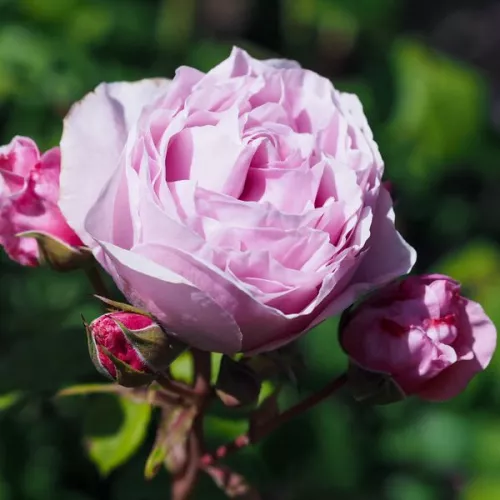
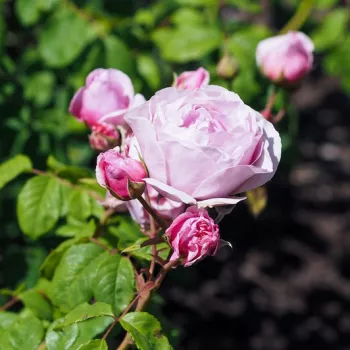
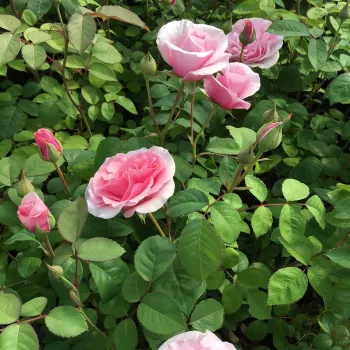
PRINCESS CLAIRE OF BELGIUM – pink bedding grandiflora rose
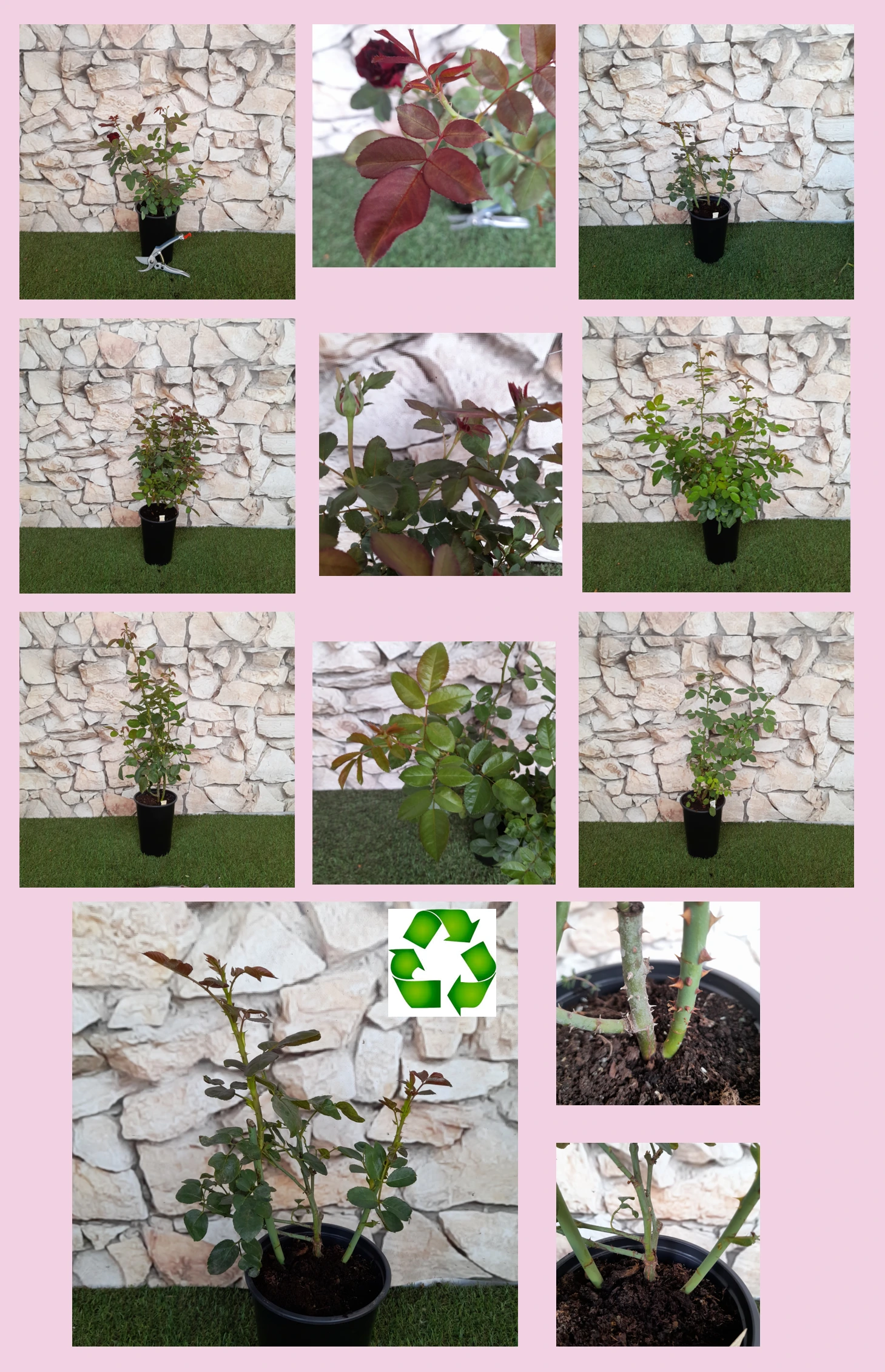
With its softly cupped blooms and storybook charm, PRINCESS CLAIRE OF BELGIUM brings a sense of afternoon tea romance to small and medium family gardens, even where wind-touched or exposed plots need reliable structure. This upright, bushy shrub forms a dense, leafy framework that feels instantly cosy, while its medium, fully double flowers repeat generously through the season for prolonged colour. As an own-root plant, it settles steadily and reliably, building a discreetly strong root system that supports long-term health and makes remedial pruning or renewal uncomplicated. You can tuck it into cottage-style borders, kitchen gardens or front paths without elaborate skills, knowing that the first year focuses on roots, the second on new shoots, and by the third it reaches its full ornamental character. In well-prepared soil with good drainage on heavier clay, it offers a calm, repeat-flowering presence that suits the relaxed, slightly “girly” charm of an English countryside cottage garden.
Usage options
| Target area | Reasoning |
|---|
| Romantic cottage flowerbed near a terrace or seating area |
The medium-height, upright habit forms a structured, bushy presence that frames seating areas without feeling overpowering, while the warm pink clusters read clearly from a short distance, creating that relaxed afternoon-tea ambience for families who enjoy traditional borders – ideal for the beginner gardener. |
| Low, informal hedge along paths or driveways |
Dense foliage and branching allow a loose hedge at 60 cm spacing, softening edges while still giving definition; the repeat-flowering clusters add seasonal interest along garden paths, yet the shrub form is easy to keep in line with light annual trimming – perfect for the busy homeowner. |
| Feature rose in a mixed cottage border |
As a specimen at wider spacing it stands out with its classic cupped flowers and medium height, weaving naturally among perennials and herbs; its own-root nature supports long-lived, stable growth, so it can anchor a bed for many seasons – reassuring for the long-term planner. |
| Container planting on patios and small urban terraces |
In a generously sized pot of at least 40–50 litres with consistent watering, its upright, compact framework and recurring pink flushes give a romantic focal point even where ground space is limited, with only moderate deadheading and feeding needed – convenient for the time-poor urbanite. |
| Front-of-house planting for kerb appeal |
The tidy, bushy outline and refined pink colour suit traditional facades and cottage-style entrances, while the medium fragrance adds a subtle welcome near doorways; own-root resilience allows occasional harder pruning if windows or paths need clearing – helpful for the practical householder. |
| Small groups in beds for repeat-flowering colour |
Planted in threes at recommended distances, the clusters knit together into a continuous band of bloom; this variety repeats well through the season, so you gain a long colour window with relatively few tasks beyond basic feeding and selective deadheading – attractive for the flower lover. |
| Sunny but exposed sites in family gardens |
The bushy framework and dark green foliage give reasonable anchoring and coverage in open positions where breezes are common, provided the soil is prepared with good drainage on heavier clay, giving a dependable, not fussy, performer – suitable for the coastal gardener. |
| Lightly shaded cottage and kitchen gardens |
This variety tolerates partial shade, so it can be used where fences, sheds or fruit trees limit direct sun; the pastel pinks soften further in such positions, fitting a gentle cottage palette while still flowering reliably for relaxed family spaces – ideal for the shade-challenged owner. |
Styling ideas
- Tea-rose border – Combine with pale campanulas and soft geraniums along a terrace to echo classic afternoon tea settings, using its repeat-flowering habit for gentle, ongoing colour – for romantically minded families.
- Cottage hedge – Plant in a loose row backed by clipped evergreen hedging so the pink clusters spill in front, creating a soft edge with moderate maintenance – for those who like traditional structure without fuss.
- Kitchen-garden charm – Place as a specimen near herbs and vegetables, letting its warm pink tones and medium fragrance punctuate practical plots with a storybook touch – for home growers wanting beauty with their produce.
- Patio focal pot – Grow one plant in a 50-litre container by a bench or arbour, where the upright habit and repeat bloom give long-season interest in limited space – for balcony and courtyard users.
- Pink tapestry – Group three shrubs amid silver foliage plants such as Artemisia ‘Nana’ to highlight the pastel blooms and bushy framework as an easy-care focal drift – for low-maintenance cottage stylists.
Technical cultivar profile
| Property | Data |
|---|
| Name and registration |
PRINCESS CLAIRE OF BELGIUM (VISbonpa), a bedding grandiflora shrub rose also known in exhibition circles as ‘Princess Claire de Belgique’; commercial type flowerbed grandiflora within the bed rose group. |
| Origin and breeding |
Bred by Martin Vissers in Belgium from the cross Bonica × Abraham Darby, introduced and registered in 2013 via Jan Spek Rozen BV, combining floriferous bedding habit with classic, full blooms. |
| Growth and structural characteristics |
Upright, bushy shrub reaching about 100–140 cm in height and 80–120 cm spread, with dense, slightly glossy dark green foliage and moderate prickles; some spent blooms remain and benefit from periodic deadheading. |
| Flower morphology |
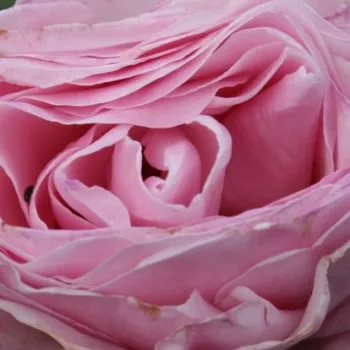
Medium-sized, fully double, cup-shaped flowers with more than 40 petals, borne mainly in clusters; an abundantly repeat-flowering variety whose second flush is also rich, giving a long decorative season in beds and borders. |
| Colour data and phenology |
Soft warm pink with subtle lavender tones depending on light; buds bright mid-pink, opening to paler edges, then fading towards pastel and pearlescent pink, with colour lightening somewhat in heat and strong sun. |
| Fragrance and aroma |
Notably scented with a medium-strength, classic rosy perfume that is pleasantly noticeable around the plant; strongly double form means it is primarily ornamental, with only moderate appeal for generalist pollinators. |
| Hip characteristics |
Produces orange-red, ellipsoid hips around 12–18 mm across; cropping is moderate, adding autumn interest where deadheading is relaxed, though regular spent-flower removal will naturally reduce hip development. |
| Resistance and winter hardiness |
Rated to around −21 to −18 °C (RHS H7, roughly USDA 6b, Swedish zone 3); disease resistance is medium for black spot, mildew and rust, so benefits from good air movement and standard integrated care in humid seasons. |
| Horticultural recommendations |
Suited to beds, edging, containers and cutting; plant at 70 cm for groups, 60 cm for hedging or 110 cm as a specimen, at 2.0–2.4 plants/m², in well-drained soil with regular feeding and occasional health checks. |
PRINCESS CLAIRE OF BELGIUM offers romantic repeat flowering, a bushy, space-efficient habit and long-lived own-root reliability, making it a thoughtful choice if you would like an easy, enduring cottage-style rose.