PRIDE OF ENGLAND – red hybrid tea rose – Harkness
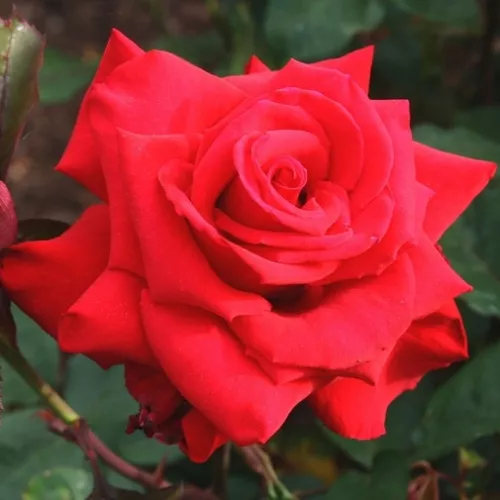
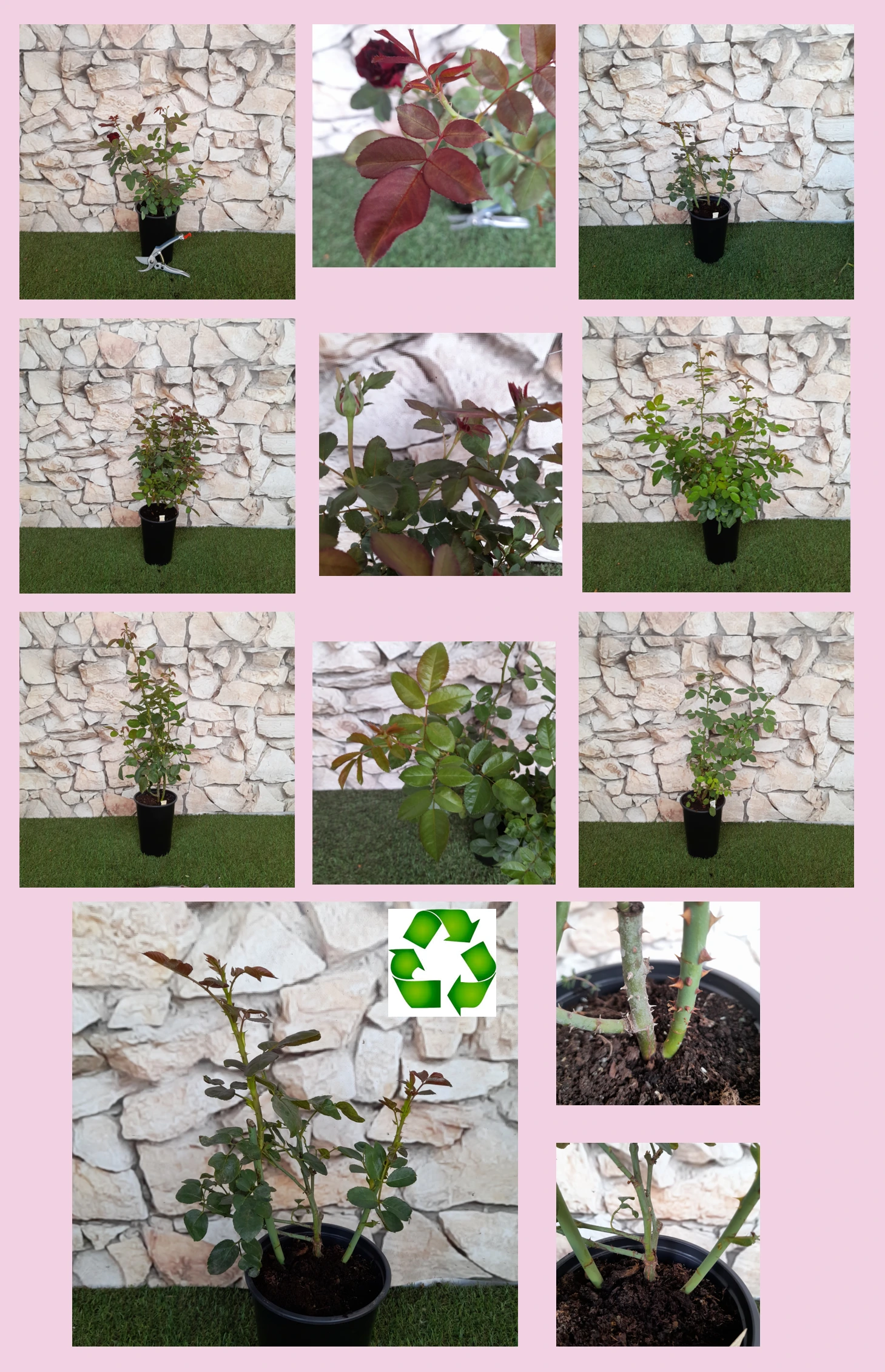
Bring romantic English charm into your garden with PRIDE OF ENGLAND, a classic hybrid tea bred by Harkness, supplied as an own-root 2‑litre plant for effortless establishment. Its upright, well-branched habit and dense, dark green foliage give a reassuringly orderly structure, while large, velvety scarlet blooms create a rich, dramatic focal point for family gardens. Light, delicately floral fragrance adds a gentle sensual note without overwhelming small spaces, ideal beside a seating area or path. This rose is equally at home in well-prepared clay or chalk, especially where raised beds improve moisture management and provide anchoring in breezier sites. With consistent deadheading and a simple pruning routine, it offers dependable repeat flowering and a long garden life in its own-root form, quietly building from root growth to shoot strength and finally full ornamental maturity over the first few years for enduring cottage-garden elegance.
Usage options
| Target area |
Reasoning |
| Main rose border in a family garden |
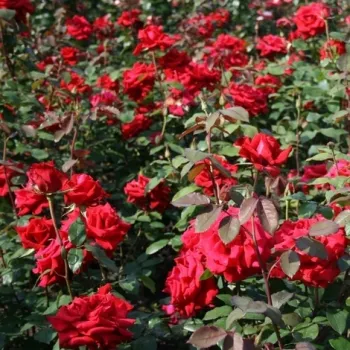
Upright growth and dense foliage make a clear vertical accent in mixed borders, helping you keep beds visually tidy with minimal shaping. Large, velvety red blooms read well from a distance, giving dependable impact with straightforward care for the traditional-homeowner gardener. |
| Feature rose near seating or terrace |
The light, delicately floral scent is noticeable close-up yet remains subtle, so it suits patios or benches without dominating the space. Repeated flowering through the season means there is usually a bloom to enjoy at eye level for the afternoon-tea lover visitor. |
| Cutting patch for home-arranged flowers |
Long, straight stems and high‑centred, exhibition-type buds make it an easy rose for cutting into vases. You gain classic, florist-style red blooms from your own garden without specialist skills, ideal for marking birthdays, anniversaries or cosy dinners for the home-making family. |
| Small front garden or cottage-style entrance |
The disciplined, upright habit helps keep paths and drives clear, while the rich scarlet colour suits traditional brick, stone or painted façades. Planting at recommended spacings simplifies pruning and keeps maintenance predictable for the busy urban or village-front householder. |
| Large containers and half barrels (40–50 litres+) |
In a generously sized pot with good drainage, its compact footprint and strong stems stay neat in wind, while own‑root vigour allows the plant to recover well if watering slips occasionally during summer, supporting the time-pressed balcony or terrace owner. |
| Mixed cottage border with perennials |
Reliable, repeat flowering and saturated red petals stand out beside chives, dwarf heucheras and low sedums, giving a “storybook” kitchen‑garden effect. Once established, a basic yearly prune maintains structure with few extra tasks for the romantic, cottage-garden enthusiast. |
| Informal row or low hedge |
When planted at hedge spacing, the upright habit and dense foliage create a coherent line that frames lawns or vegetable beds. Even as individual stems age, the own‑root form helps the plant regenerate from the base, supporting long-lived planting plans for the forward‑thinking planner. |
| Exposed but not extreme spots in typical UK gardens |
Moderate hardiness and disease tolerance suit many British gardens where winters reach several degrees below freezing and summers are mixed, provided soil preparation supports drainage and stability in gusty conditions, reassuring the cautious yet style-conscious beginner. |
Styling ideas
- TEA-ARBOR – Position PRIDE OF ENGLAND beside a simple bench with terracotta pots of chives and dwarf heuchera; the upright, neat habit keeps the area ordered – ideal for lovers of calm, low-fuss seating corners.
- VILLAGE-PATH – Plant a short row along a front path with lavender and soft grasses; dense foliage and repeat red blooms give a welcoming, traditional feel – suited to homeowners wanting charm without complex upkeep.
- KITCHEN-CUTTING – Mix a small cutting strip with this rose, herbs and annuals; long stems and classic blooms provide easy bouquets all summer – perfect for families who enjoy informal home flower arranging.
- COURTYARD-POT – Use a 50‑litre half barrel with bright underplanting of low sedum; the rose supplies structure and scarlet height above – good for urban gardeners needing reliable impact in limited space.
- COTTAGE-BORDER – Combine PRIDE OF ENGLAND with heucheras and pastel perennials; steady repeat flowering anchors the scene and simplifies border planning – aimed at beginners building a romantic, storybook garden.
Technical cultivar profile
| Parameter |
Data |
| Name and registration |
Hybrid tea rose, registered as HARencore and marketed as PRIDE OF ENGLAND in the Harkness Masterpiece Collection, a large-flowered exhibition-type hybrid tea for gardens and cutting. |
| Origin and breeding |
Bred by Richard Harkness in the United Kingdom, 1997; introduced and distributed by R. Harkness & Co. Ltd in 1998, parentage undisclosed, selected for flower quality and classic form. |
| Awards and recognition |
Highly decorated: Belfast Rose Trials 2000 Best Large-flowered, Best Hybrid Tea and Gold Medal, plus awards at Orléans and The Hague trials, confirming garden and exhibition value. |
| Growth and structural characteristics |
Upright bush 100–130 cm high, 55–75 cm spread, with dense, slightly glossy dark green foliage and moderate prickles; weak self-cleaning so old blooms benefit from regular, simple removal. |
| Flower morphology |
Large, fully double blooms with 26–39 petals, classic high‑centred buds borne mainly singly on stems; remontant, with a strong second flush and further flowers in suitable seasons. |
| Colour data and phenology |
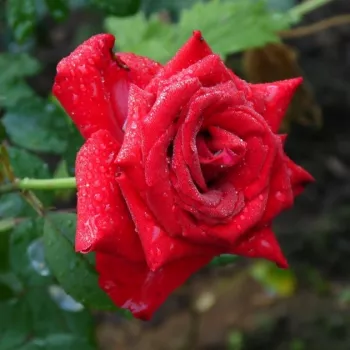
Velvety deep red flowers, ARS DR, RHS 46A–46B; buds burgundy, opening ruby and bright fiery red, then softening slightly to cherry red yet retaining a warm, even scarlet impression. |
| Fragrance and aroma |
Light, delicately floral scent of subtle character, noticeable near the plant rather than at distance; suitable for seating areas, patios and cutting where a refined rather than heavy perfume is desired. |
| Hip characteristics |
Produces spherical orange-red hips, about 10–15 mm diameter, in moderate quantities; hips may be left for late-season interest if deadheading is reduced toward the end of flowering. |
| Resistance and winter hardiness |
Hardy to around −21 to −18 °C (RHS H7, USDA 6b, Swedish zone 3) with moderate resistance to black spot, mildew and rust; benefits from routine hygiene and basic fungicidal care if needed. |
| Horticultural recommendations |
Best in fertile, well-drained soil with regular watering in dry spells; plant 40–70 cm apart depending on use, in sun or light shade, with straightforward annual pruning and more detailed deadheading. |
PRIDE OF ENGLAND offers velvety red exhibition blooms, an upright, space-efficient habit and long, regenerating life in its own-root form; consider it if you want a quietly dependable, romantic focal rose.