PIRONTINA – pink climbing rose - Pironti di Campagna
With its softly romantic pink blooms, PIRONTINA creates an instant sense of storybook cosiness around pergolas, arches and house walls, while its reliable repeat flowering keeps colour in your garden through summer with minimal intervention. As an own-root climber, it offers reassuring longevity, quietly building a strong framework rather than exhausting itself, so you can enjoy a stable display year after year. Its dense, glossy foliage gives attractive coverage even between flushes, providing privacy and a lush backdrop for afternoon tea. Over time its creeping habit makes it easy to train into graceful arches or along fences, particularly helpful in breezier gardens where roses must cope with regular winds without becoming bare or straggly. Medium maintenance needs suit busy gardeners who prefer simple seasonal routines over constant spraying, and its naturally balanced growth brings the familiar English cottage-garden charm to typical family plots without demanding expert skills.
Usage options
| Target area | Reasoning |
|---|
| Family pergola or arbour seating |
PIRONTINA’s medium-height climbing habit is ideal for covering a pergola or simple timber arbour, giving shade, privacy and a romantic pink canopy above a seating area. Regular but light pruning is sufficient to keep the structure tidy, making it manageable for hobby gardeners who want a cosy corner without complex training techniques, particularly beginners. |
| House wall or sunny garage facade |
Trained on horizontal wires, this rose clothes a wall with dense, glossy foliage and neat clusters of pompon blooms, softening brick or render. Own-root plants anchor well over time and regenerate from the base if damaged, so the display remains reliable through years of weather exposure, suiting homeowners. |
| Archway over a path or garden gate |
Its flexible, creeping growth makes it straightforward to guide over a metal or wooden arch, creating a welcoming, cottage-style entrance. PIRONTINA repeats flower, so the arch does not peak only once, and the medium care requirement fits gardeners who are happy to tie in shoots occasionally but prefer a forgiving variety, ideal for busy-urban-owners. |
| Boundary fence with neighbours |
Planted at the recommended spacing, this climber provides soft screening without becoming overwhelmingly vigorous. The dense foliage and repeat blooms help maintain interest along a boundary, while the own-root habit supports long-term health and easier rejuvenation pruning, which is helpful for shared boundaries tended by practical family-buyers. |
| Romantic cottage-style mixed border |
In a traditional border with perennials and shrubs, PIRONTINA can be trained on discreet supports or obelisks at the back, adding vertical interest and classic pink colour. The stable, medium growth keeps it compatible with small to medium gardens, where residents want a storybook look but still need space for play or utility areas, perfect for cottage-lovers. |
| Raised beds on heavier soils |
This own-root climber settles steadily, making it well suited to raised beds over heavier clay, where drainage is improved and roots can develop gradually. The plant’s structure becomes more impressive year by year, moving from root establishment to fuller top growth, which suits gardeners looking for dependable progress rather than instant results, including clay-gardeners. |
| Coastal or breezier suburban gardens |
Once established, PIRONTINA’s framework and dense foliage give a surprisingly steady cover that copes well with typical garden breezes, especially when tied to a sturdy support system. Its own-root resilience and medium disease resistance reduce the need for intensive intervention in exposed sites, which is reassuring for low-fuss coastal-owners. |
| Large container near a terrace |
In a 40–50 litre container with good drainage and regular watering, this rose can be trained up a narrow trellis to bring cottage-garden romance close to a patio or balcony door. Medium care needs mean a straightforward routine of feeding and tying-in, suiting time-pressed city dwellers who still want a traditional climbing rose, especially terrace-gardeners. |
Styling ideas
- Tea-porch – Train PIRONTINA along a small veranda or porch rail with white-painted woodwork and woven bistro chairs, evoking a gentle countryside tea spot – ideal for homeowners seeking calm afternoon retreats.
- Kitchen-arch – Grow over an arch leading to a vegetable or herb garden, pairing with rosemary and thyme for scent and practicality – for families who like a lived-in, productive cottage garden feel.
- Pink-screen – Use along a side fence with dogwoods and ornamental grasses to create a soft privacy screen that still looks smart in winter – suited to suburban plots needing beauty and discretion.
- Storybook-path – Flank a narrow path with paired arches of PIRONTINA, underplanted with low catmint and hardy geraniums for a romantic, layered effect – perfect for lovers of classic English garden charm.
- Courtyard-frame – In a large container, let PIRONTINA climb a slim obelisk to frame a small courtyard table, combined with terracotta pots of herbs – for compact urban gardens aiming for rustic elegance.
Technical cultivar profile
| Characteristic | Data |
|---|
| Name and registration |
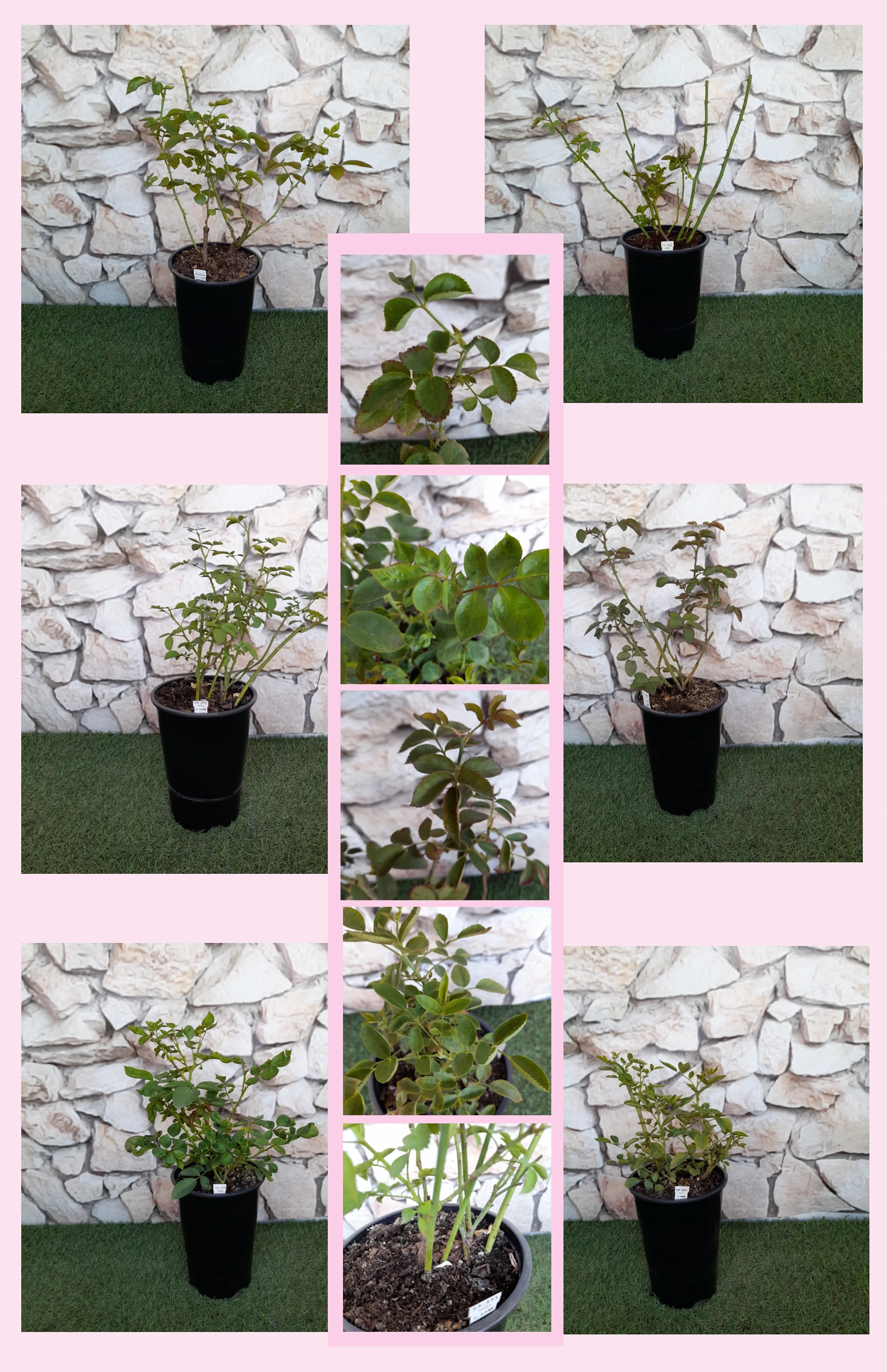
PIRONTINA – pink climbing rose - Pironti di Campagna; large-flowered climber and exhibition climbing rose; commercial type climbing rose; ARS exhibition name Pirontina; own-root, 2-litre container. |
| Origin and breeding |
Originating in Italy, bred by Duca Nicola Pironti di Campagna and introduced around 1975; parentage and breeding institution are not recorded, making this a characterful, traditional garden climber. |
| Growth and structural characteristics |
Medium to tall climber reaching about 240–380 cm in height with a 100–160 cm spread; creeping, trainable habit, dense dark green glossy foliage and moderate prickliness, ideal for supports and structures. |
| Flower morphology |
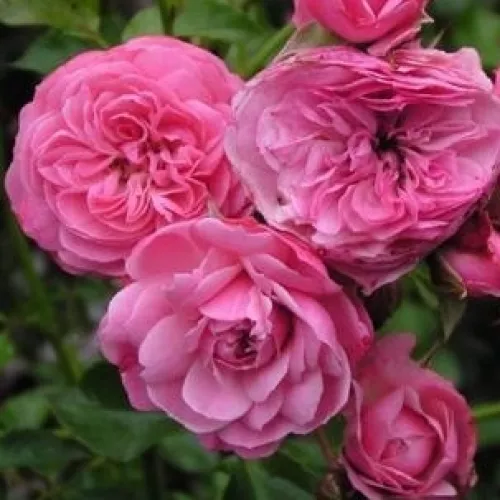
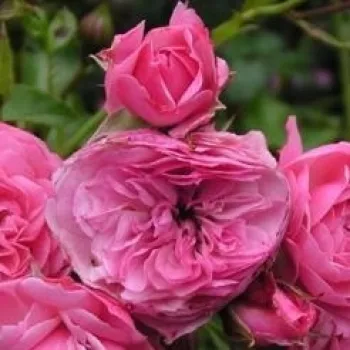
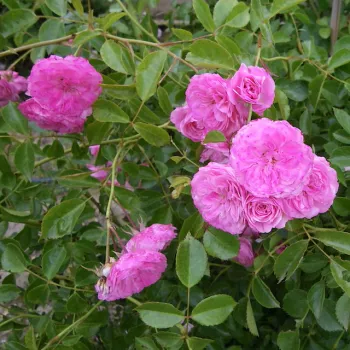
Produces medium-sized, very double to pompon-like globular blooms with 40+ petals, borne in clusters; flowers repeatedly through the season with a generous second flush following the main early-summer display. |
| Colour data and phenology |
Medium, moderately saturated pink (ARS Mp, RHS 65C–65D); buds deep pink with slight purplish tone; petals pale slightly at the edges, then age to pastel pink, giving a soft, romantic overall colour effect. |
| Fragrance and aroma |
Considered a scentless rose with no noticeable fragrance; strongly double flower form is primarily ornamental, with closed centres that offer visual impact rather than aromatic or pollinator-focused qualities. |
| Hip characteristics |
Forms a moderate crop of small, spherical red hips about 10–14 mm in diameter in autumn, adding subtle seasonal interest and colour once the main flowering period has passed in family gardens. |
| Resistance and winter hardiness |
Rated to approximately –21 to –18 °C (RHS H7, Swedish zone 3, USDA 6b); disease resistance medium to powdery mildew, black spot and rust, responding well to basic preventive care and good air circulation. |
| Horticultural recommendations |
Best in sunny positions on pergolas, arches, fences or walls; recommended planting distances vary from 140–240 cm; prefers average garden soil with reasonable drainage and benefits from structured, annual pruning. |
PIRONTINA – pink climbing rose - Pironti di Campagna offers repeat flowering, dense wall and pergola coverage and long-lived own-root reliability, making it a thoughtful choice for introducing gentle romance to everyday family gardens.