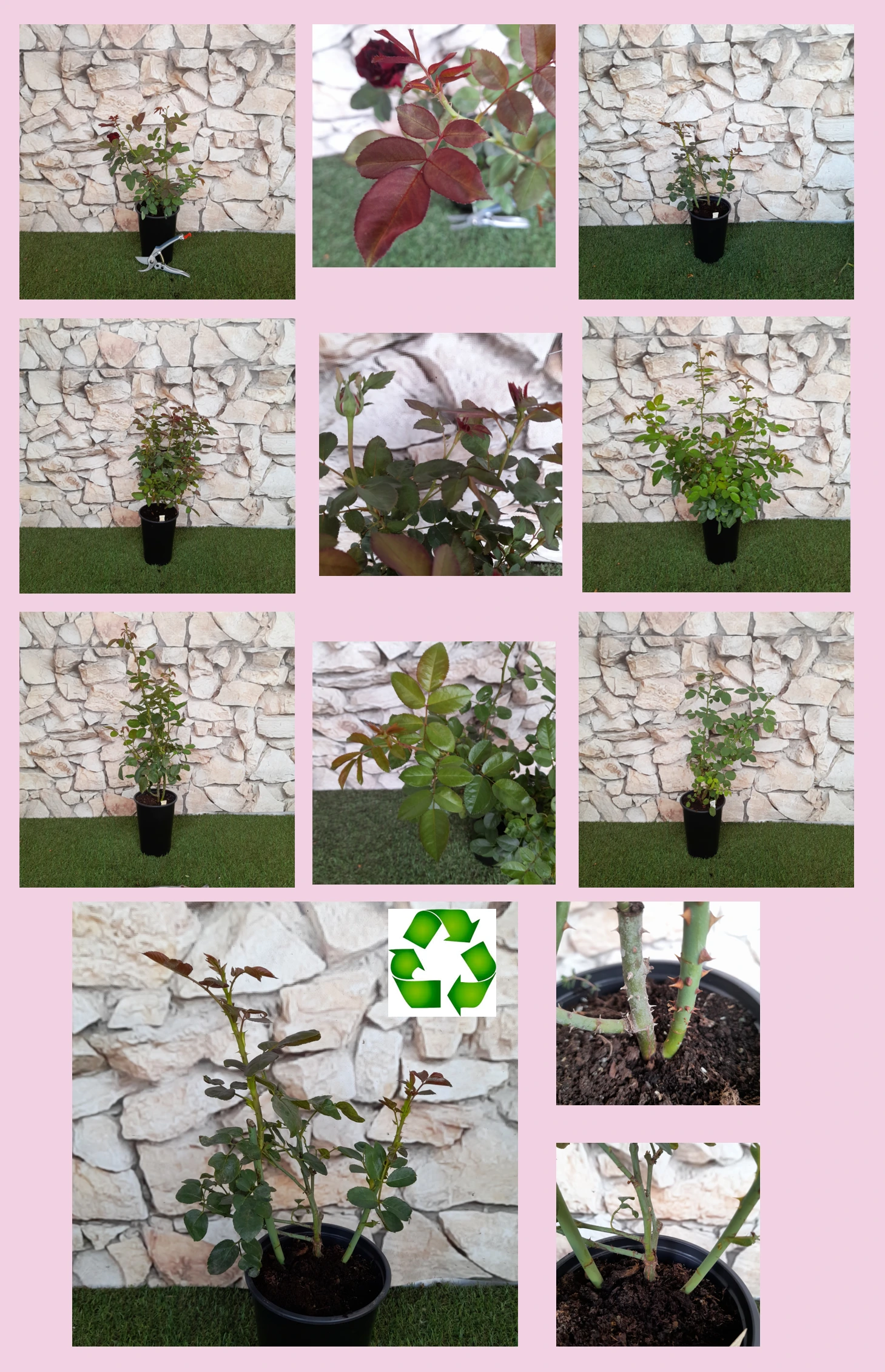
PETER-PAUL RUBENS – pink nostalgia rose
With its nostalgic, fully double blooms and strong, classic fragrance, Peter-Paul Rubens brings a romantic, storybook cottage mood to everyday family gardens, evoking English afternoon tea and soft, pastel borders. This own-root plant establishes steadily, promising a long-lived, reliable shrub that copes well with breezy, damp weather in coastal-style conditions. Its compact, upright habit suits small spaces, raised beds and larger containers, while the dense foliage and medium maintenance needs keep gardening tasks pleasantly manageable for busy households.
Usage options
| Target area |
Reasoning |
| Romantic focal point in a small to medium family garden |
The compact yet upright shrub habit (around 85–115 cm) fits neatly into typical UK front or back gardens, giving a strong vertical accent without overwhelming borders; repeat-flowering clusters supply reliable colour all summer for homeowners who prefer traditional style family-gardeners |
| English cottage-style mixed border with perennials |
The soft pink and peach tones blend beautifully with cottage favourites like lupins, campanulas and asters, creating a layered, “girly” border that looks good from a distance and close up, while very double blooms add plush texture among simpler flowers cottage-lovers |
| Fragrant seating area near terrace, bench or arbour |
The very strong, classic rose scent carries on still evenings, so one or two plants near a patio, pergola or arch offer a luxurious fragrance backdrop to afternoon tea or relaxed suppers outdoors, with flowers at a convenient height for cutting and enjoying indoors scent-seekers |
| Container planting on terraces and small urban plots |
Its moderate size and upright form suit large tubs of at least 40–50 litres, providing romance where border space is limited; own-root vigour helps the plant recover from occasional drought or missed watering, supporting long-term performance in city gardens balcony-owners |
| Low, traditional rose hedge along paths or garden rooms |
Planted at recommended hedge spacing, dense foliage and plentiful clusters create a soft, shoulder-height division between lawn, kitchen garden or play spaces; the form is tidy enough for easy shaping yet loose enough to keep a relaxed, country look structure-planners |
| Cut flowers for informal indoor arrangements |
Medium-sized, ball-shaped blooms with 40+ petals hold well in a vase and open slowly, giving several days of enjoyment; their nostalgic form and strong fragrance make small jugs and jam-jar posies feel special without needing florist skills or complicated conditioning home-arrangers |
| Long-lived, low-fuss planting for busy or beginner gardeners |
As an own-root shrub it regenerates well from the base, maintains its character over many years and forgives lighter pruning; after the first season of root-building it moves into stronger shoot growth, then fuller ornamental value in subsequent years, suiting relaxed care time-poor-beginners |
| Flower bed in exposed or damp-prone UK gardens |
Good heat tolerance and hardiness to around -26 °C combine with an ability to cope with breezy, moisture-laden air in gardens facing regular rain and wind, especially when planted in well-drained soil or raised beds to keep roots comfortable in heavier ground coastal-gardeners |
Styling ideas
- Tea-terrace – Plant beside a bench with lavender and dwarf asters to frame a scented corner for afternoon tea – ideal for romantic homeowners who want a low-effort relaxation spot.
- Cottage-border – Combine with pastel lupins, foxgloves and hardy geraniums to build a soft, layered cottage strip along a fence – for those who favour an old-fashioned, storybook look.
- Kitchen-path – Line a path to the vegetable plot with a loose hedge, underplanting with chives and catmint, giving fragrance and colour on the way to the kitchen garden – perfect for practical cooks.
- Patio-pot – Grow one plant in a 50-litre terracotta container with trailing thyme, bringing perfume and nostalgic blooms to small paved spaces – suited to balcony and courtyard gardeners.
- Country-bouquet – Mix cut stems with home-grown sweet peas and daisies in simple jugs for the table, turning everyday meals into gentle occasions – appealing to those who enjoy informal flower arranging.
Technical cultivar profile
| Property |
Data |
| Name and registration |
Romantic rose floribunda–shrub cultivar; registered as VISpeparu, marketed as Peter-Paul Rubens Romantic Rose VISpeparu; approved exhibition name Peter-Paul Rubens in ARS listings. |
| Origin and breeding |
Bred by Martin Vissers, Rosabelgica, Belgium; cross of ‘Lucetta’ × ‘Golden Celebration’; bred 2002, registered 2002, introduced 2008 as a nostalgia-type shrub for garden and cut use. |
| Awards and recognition |
Most Fragrant Rose for Ladies, Hradec Králové 2010, recognising its powerful, classic rose scent in competition settings; valued by collectors who prize perfume in traditionally styled gardens. |
| Growth and structural characteristics |
Upright, bushy shrub around 85–115 cm high and 75–105 cm wide, moderately thorny with dense, mid-green, slightly glossy foliage; self-cleaning is partial, so some deadheading improves appearance. |
| Flower morphology |
Very double, ball to pompon flowers with over 40 petals, borne mainly in clusters of one to five per stem; medium flower size, with reliable remontant repeat, giving abundant second flushes in season. |
| Colour data and phenology |
Soft pink blooms with peachy inner tones, pastel outer petals and excellent colour retention; shades lighten gracefully as flowers mature, maintaining an elegant, nostalgic effect from bud to fall. |
| Fragrance and aroma |
Very strong, classic old-rose scent, noticeable from a distance in still air; double flower form modestly limits pollinator access, so the variety is mainly ornamental rather than wildlife-focused. |
| Hip characteristics |
Rose-hip production is modest; occasional small spherical hips, around 10–14 mm, may develop and colour red, adding a light decorative touch without materially affecting flowering performance. |
| Resistance and winter hardiness |
Hardy to approximately -26 to -23 °C (RHS H7, Swedish zone 4, USDA 5b); tolerates summer heat but needs watering in long dry spells; disease resistance moderate, with occasional fungal control helpful. |
| Horticultural recommendations |
Best as a fragrant flower-bed, hedge or container shrub; medium maintenance with some deadheading and protection; tolerates partial shade and benefits from 55–100 cm spacing depending on use. |
PETER-PAUL RUBENS offers richly scented, repeat-flowering romance in compact form, rewarding patient own-root establishment with a long-lived, resilient shrub; a thoughtful choice if you value atmosphere as much as practicality.