NIMBUS – pink‑purple shaded bedding floribunda rose - Le Grice
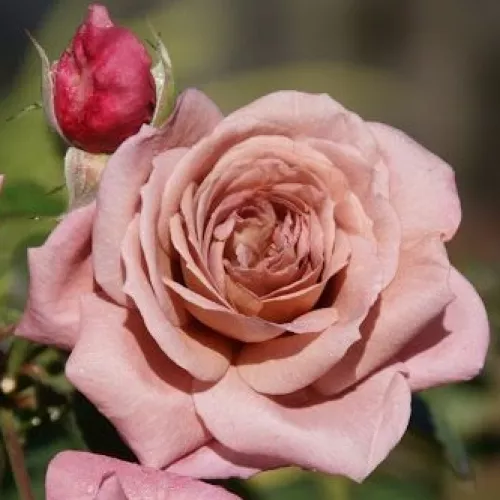
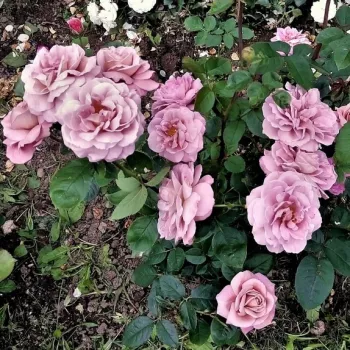
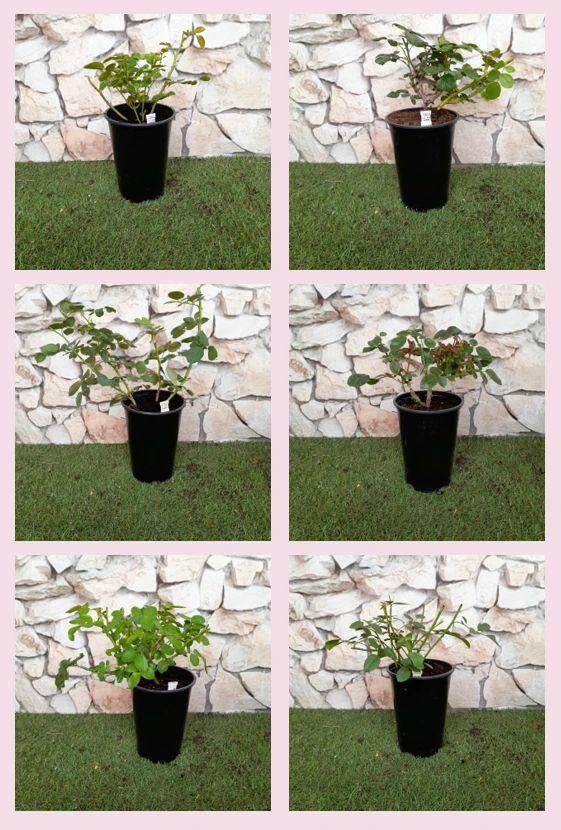
With its gently smoky grey‑lilac blooms and softly sweet scent, NIMBUS creates a quietly romantic corner in any family garden, from a small city plot to a cottage‑style border. This compact, bushy floribunda has dense foliage and repeat‑flowering clusters that bring reliable colour and atmosphere around a seating area or along a path, even where gardens face coastal breezes and overcast skies. Its medium care level suits everyday routines: simple watering, feeding and light pruning keep it performing without specialist knowledge. As an own‑root plant it settles securely, matures steadily and keeps its character for many years, giving you time to enjoy its romance, garden structure and soft colour story. Allow it space in a bed or large container and it answers with season‑long clusters, gentle fragrance and enduring charm.
Usage options
| Target area |
Reasoning |
| Front or mid‑border in a cottage‑style family garden |
The bushy 80–100 cm habit and dense foliage give a structured, storybook look without becoming overpowering, so it slips easily into mixed borders among perennials and herbs while keeping paths and play areas visually tidy and defined – ideal for the cottage‑garden admirer and romantic‑style homeowner. |
| Bedding and mass planting near terraces or seating |
Planted in groups at 40 cm spacing, the repeat‑flowering clusters form a soft, low bedding effect that reads as one harmonious cushion of colour, perfect beside patios or an arbour where you want a consistent, long‑lived planting that works with simple, occasional maintenance – well suited to the time‑pressed family‑garden owner. |
| Feature plant in a large container (minimum 40–50 litres) |
Its compact spread and moderate height adapt well to a generous pot, where the dusky flower tones can be underplanted with herbs or small perennials; in a 40–50 litre container, roots are well anchored and watering is easy to manage on balconies or paved spaces – a practical choice for the busy urban‑garden resident. |
| Informal low hedge along paths or driveways |
At around 35 cm planting distance, NIMBUS builds a low, bushy line that gently defines edges without the severity of clipped evergreens; the dense foliage screens bare soil and the muted grey‑lilac bloom colour works with both brick and gravel, suiting informal front‑garden layouts for the traditional‑taste home‑and‑garden buyer. |
| Mixed border with perennials and cottage‑garden favourites |
The subtle mauve‑grey‑lilac flowers blend effortlessly with pink lupins, airy calamint and vertical verbena, giving layered texture and a soft, feminine feel; repeat flowering means the rose remains a quiet focal point while other plants come and go – appealing to the cottage‑border enthusiast and kitchen‑garden stylist. |
| Cut flowers for small indoor arrangements |
Large, cupped, very full blooms with a clearly perceptible, softly sweet fragrance lend themselves to short‑stemmed jugs and teacup posies; cutting some clusters encourages new growth and keeps the plant looking fresh outdoors, adding value for those who enjoy simple home arrangements – ideal for the scent‑loving hobby‑gardener. |
| Family gardens in exposed, breezy or changeable weather |
Moderate disease resistance and H7 hardiness mean NIMBUS copes reliably with cool, damp spells and winter cold when given ordinary care, while its bushy frame anchors well in raised beds or heavier soils where drainage is managed, providing reassuring stability for the low‑maintenance‑seeking gardener. |
| Everyday, flexible pruning and care routines |
This floribunda responds well to straightforward spring pruning and occasional summer deadheading, without needing expert shaping; it flowers again readily in normal garden conditions, so you can keep borders presentable with brief, regular visits rather than intensive sessions – a comfortable fit for the beginner or relaxed‑style gardener. |
Styling ideas
- TEA‑CORNER BORDER – Underplant NIMBUS with calamint and soft pink lupins around a small bistro set for a hazy, fragrant tea spot – for cottage‑garden romantics.
- PATIO FOCUS – Grow one rose in a 40–50 litre terracotta pot with trailing thyme and pale gravel mulch to highlight its smoky blooms – for balcony and terrace owners.
- GREY‑LILAC RIBBON – Line a front path with a loose hedge of NIMBUS, interspersed with low catmint, to frame the entrance in soft mauve tones – for traditional home‑front stylists.
- EVENING GLOW – Combine NIMBUS with dusky purple salvias and silvery foliage plants for a border that looks particularly atmospheric in low light – for after‑work garden enjoyers.
- KITCHEN‑GARDEN MIX – Tuck plants between rows of herbs and vegetables, where their repeat‑flowering clusters lend charm without shading crops – for practical yet romantic plot keepers.
Technical cultivar profile
| Parameter |
Data |
| Name and registration |
Floribunda bed rose, registered as LEGgrey, traded as NIMBUS Bedding rose LEGgrey; a shrub‑type bedding floribunda suitable for ornamental garden use and small‑scale cutting. |
| Origin and breeding |
Bred by Bill Le Grice in the United Kingdom in 1989 from ‘Grey Dawn’ × unknown seedling; introduced after 1989 by Bill LeGrice Roses, continuing a line of unusual grey‑toned roses. |
| Awards and recognition |
Recognised in exhibition circles, including success at the Cleveland Rose Society Show in 2001 in the Floribunda (One Bloom) class, confirming its showbench potential and consistent bloom quality. |
| Growth and structural characteristics |
Bushy shrub reaching 80–100 cm in height and 50–70 cm spread, with dense, medium‑green, slightly glossy foliage and moderate prickliness; forms a compact, well‑filled plant suited to beds and borders. |
| Flower morphology |
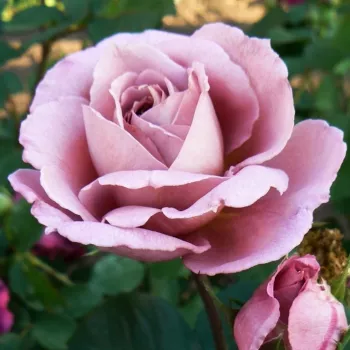
Large, cupped clusters of very full flowers with over 40 petals; good repeat flowering provides a generous second flush, although spent blooms are not self‑cleaning and benefit from regular deadheading. |
| Colour data and phenology |
Closed buds are deep mauve‑greyish purple; blooms open lilac‑grey with bluish‑purple inner petals, then soften to pale lilac‑grey with a silvery‑pink sheen, giving a gently muted, ever‑changing grey‑lilac effect. |
| Fragrance and aroma |
Medium‑strength, softly sweet fragrance clearly perceptible at close range, adding sensory interest to borders and cut stems; very double blooms mainly serve ornamental display rather than pollinator support. |
| Hip characteristics |
Occasional small, ovoid orange‑red hips 10–14 mm in diameter may develop, adding quiet autumn interest, though flowering performance is the primary ornamental feature for most garden situations. |
| Resistance and winter hardiness |
Hardy to approximately −21 to −18 °C (RHS H7; Swedish Zone 3; USDA 6b); moderate resistance to powdery mildew and black spot, good rust resistance, and moderate tolerance to heat with watering in dry spells. |
| Horticultural recommendations |
Best in sunny positions with well‑drained soil; plant 40 cm apart in beds, 35 cm for low hedges or 65 cm as specimens; suitable for mixed borders, edging, containers and small cut‑flower use with average care. |
NIMBUS offers compact structure, repeat‑flowering clusters and a softly sweet fragrance in a durable own‑root form that rewards patient gardeners with quietly atmospheric colour over many seasons; an elegant choice to consider for your next planting.