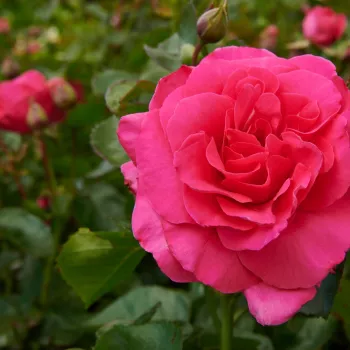
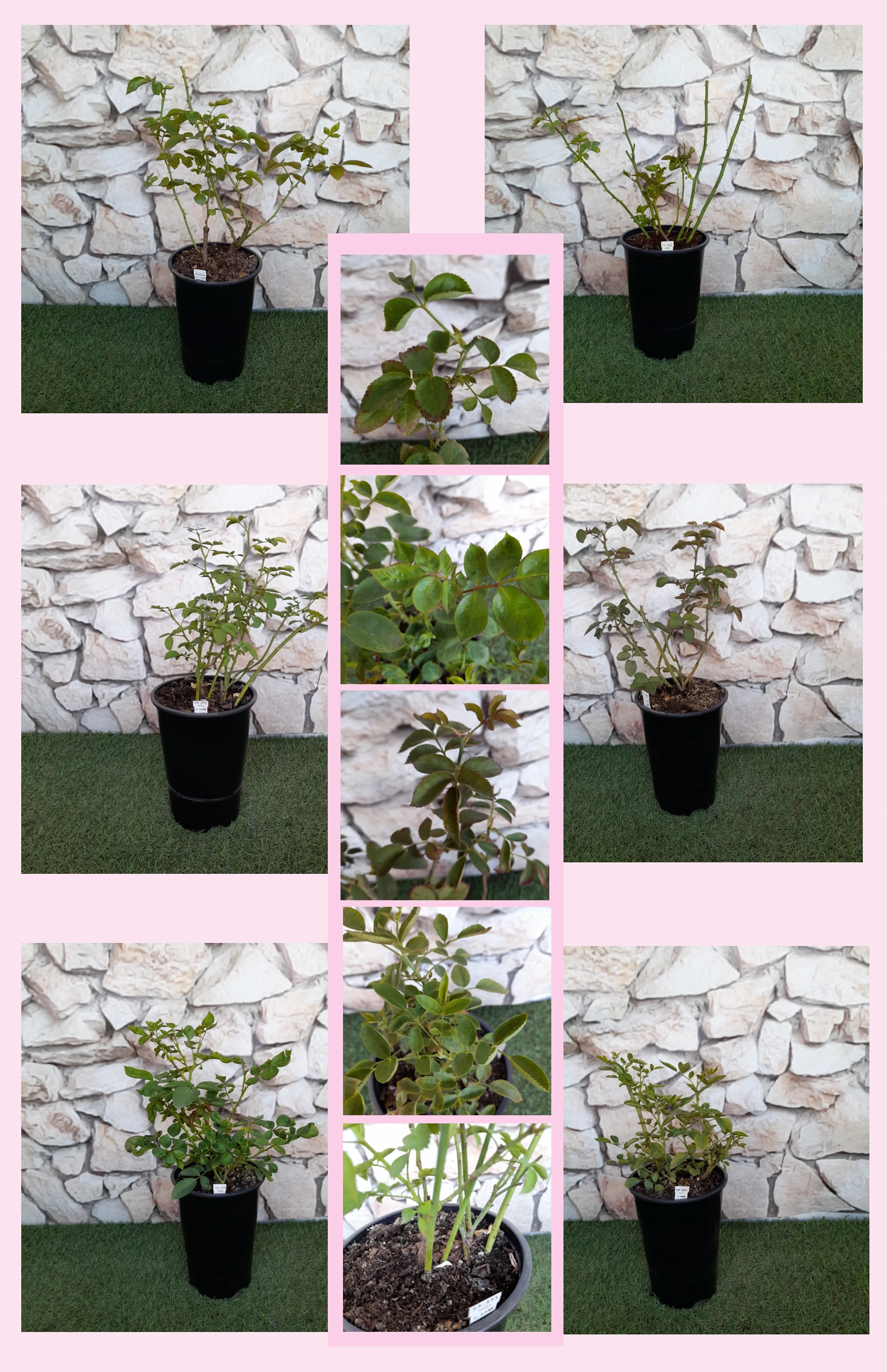
MUIDEN™ – mid-pink bedding floribunda rose – Olesen & Olesen
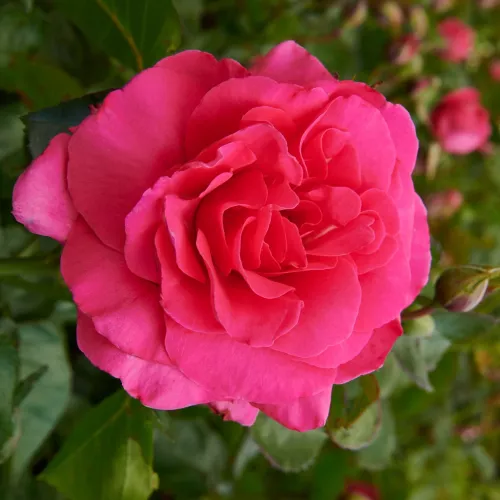
Imagine relaxed afternoon tea under a simple garden arbour, framed by softly billowing clusters of medium-pink blooms: MUIDEN settles in quickly and builds a wide, bushy shape that brings a gentle, storybook romance to beds and low hedges. Its remontant flowering keeps borders lively from early summer well into autumn, with cup-shaped clusters that keep their colour remarkably well for a mid-pink floribunda. Bred in Denmark for garden performance, this rose combines moderate care needs with reassuring cold hardiness suited to typical British winters. On its own roots it is designed for long life, steadily thickening into a stable, wide-spreading structure that regenerates well from the base and holds its place even where breezier conditions demand secure anchoring and firm planting. In a normal family garden you can expect strong root growth first, then increasingly vigorous shoots, before it reaches full ornamental impact and volume by its third season. The fresh, wild-rose character of its medium-strength fragrance adds a light, nostalgic charm that feels perfectly at home in a “girly” cottage border or beside a neat kitchen-garden path.
Usage options
| Target area |
Reasoning |
| Small to medium cottage flowerbeds |
The bushy, wide-spreading habit and medium height make this rose ideal for filling typical UK cottage-style borders without overwhelming nearby plants, giving quick visual presence in years one to three. Clusters of mid-pink flowers read clearly from patio or kitchen windows and pair well with herbs, catmint and soft perennials, suiting homeowners who like a traditional, romantic look for their family plot, especially hobby-gardeners. |
| Low informal hedging along paths |
Planted at the recommended hedging distance, plants knit into a softly defined line that is easy to keep at knee to thigh height, ideal beside front paths or around a kitchen garden. The moderately thorny stems offer a gentle, not aggressive barrier, while own-root growth means gaps are less likely over time and any winter damage can regenerate evenly from the base, an advantage for family-buyers. |
| Traditional mixed borders with perennials |
The harmonious mid-pink colour and moderately dense, slightly glossy foliage blend naturally with classic border companions such as echinacea and yarrow, avoiding clashing tones. Its steady repeat flowering provides structure between perennial peaks, so you are not left with bare patches after early summer. Over several seasons, the long-lived own-root framework keeps the border design stable for cottage-style-lovers. |
| Feature groups in front gardens |
As a bedding floribunda bred for clusters, this variety works well in small groups of three to five in a front garden, quickly creating a welcoming, tidy impression. With moderate maintenance needs and reasonable disease resistance, it fits busy households that can manage basic watering and occasional plant protection, but prefer roses that largely look after themselves, ideal for busy-urban-owners. |
| Terrace and patio containers |
The compact height and bushy width lend themselves to large planters of at least 40–50 litres, where the plant can develop a substantial own-root system for long-term use. In such containers it becomes a reliable, fragrant accent near seating, with clusters of pastel-pink flowers softening paving or decking and supporting an intimate, cosy feel appreciated by patio-enthusiasts. |
| Family seating and play areas |
The medium-strength, fresh fragrance and medium-sized, double blooms offer a gentle sensory experience without being overpowering, making it pleasant around benches or informal play spaces. The moderate prickliness is manageable when positioned slightly back from the edge, and the even, wide shape helps define a snug corner for shared time outdoors, particularly suiting young-families. |
| Clay or chalk-based suburban gardens |
With solid winter hardiness and resilience bred under northern European conditions, this rose copes well once established in typical British suburban soils, provided drainage is improved on heavier clay. Its own-root constitution encourages recovery from minor weather stress, including breezier spots where securely planted shrubs need to stay put despite strong winds in exposed plots, reassuring for average-gardeners. |
| Long-term rose beds with minimal redesign |
As an own-root shrub with a projected long lifespan, this cultivar is a sensible choice where you intend to keep the same rose layout for many years, reducing the need for frequent replacement. The stable colour, repeat bloom pattern and consistent medium height make planning easier and help maintain an orderly yet romantic scene in changing seasons, attractive to long-term-planners. |
Styling ideas
- Pastel-hedge – Line a path with a loose single-species hedge, underplanting with low Euonymus fortunei for year-round green and a tidy edge – for homeowners wanting soft structure without complex pruning.
- Kitchen-border – Mix with chives, sage and strawberries along a vegetable plot, so the mid-pink blooms echo traditional cottage gardens and scent the area where you pick herbs – for families who like ornamental-edible blends.
- Teatime-corner – Place two or three container-grown plants around a small bistro set, using large terracotta pots for a romantic nook that looks good from spring to autumn – for terrace users seeking a cosy seating area.
- Perennial-weave – Thread this rose between drifts of echinacea and yellow yarrow, letting the wide-spreading habit break up straight lines and provide colour between perennial flushes – for cottage-style border enthusiasts.
- Frontage-focus – Create a simple, repeated block planting in the front garden, combining this rose with a neat evergreen groundcover to give a calm, coordinated façade – for busy owners wanting easy kerb appeal.
Technical cultivar profile
| Parameter |
Data |
| Name and registration |
Floribunda bed rose in the Castle collection, registered as POUlcas071, marketed as Muiden™ Castle® POUlcas071; shrub rose exhibition category, named after a historic Dutch castle. |
| Origin and breeding |
Bred in Denmark in 2021 by L. Pernille and Mogens Nyegaard Olesen for Poulsen Roser A/S; first introduced to the market in 2025 via Poulsen Roser A/S. |
| Growth and structural characteristics |
Bushy, wide-spreading shrub rose reaching about 70–100 cm in height and 75–110 cm spread, with moderately dense, slightly glossy medium-green foliage and moderate thorniness. |
| Flower morphology |
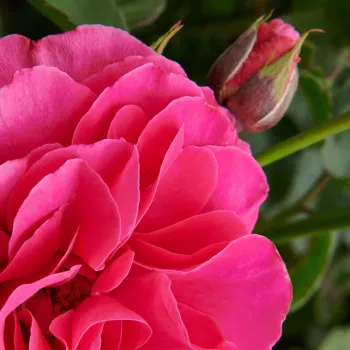
Medium-sized, double, cup-shaped flowers with 26–39 petals, produced in clusters; remontant habit delivering a generous second flush after the main early-summer flowering period. |
| Colour data and phenology |
Medium-pink flowers (RHS 62A outer, 62B inner) with vivid edges when newly opened, then a uniform mid-pink that gently fades to delicate pastel pink while retaining good colour stability. |
| Fragrance and aroma |
Noticeable, medium-strength scent with a fresh, wild-rose character; provides a clear but not overwhelming fragrance suitable for seating areas and close-up planting in small gardens. |
| Hip characteristics |
Hip production is usually sparse; where present the hips are small, typically no more than about 6 mm in diameter, and have limited ornamental impact in the autumn garden. |
| Resistance and winter hardiness |
Hardy to approximately −21 to −18 °C (RHS H7, Swedish zone 3, USDA 6b); shows resistance to powdery mildew and rust, with moderate susceptibility to black spot, needing occasional protection. |
| Horticultural recommendations |
Best in sunny beds, edging or large containers; plant about 65 cm apart for mass displays or 55 cm for hedges, at 2.5–2.9 plants/m², with moderate care and regular watering in hot, dry spells. |
MUIDEN™ offers bushy, long-lived structure, steady repeat flowering and gentle fragrance on a practical own-root shrub rose, making it a thoughtful choice for relaxed, romantic family gardens you plan to enjoy for years.