MORSDAG® – red bedding polyantha rose – Grootendorst & Goey
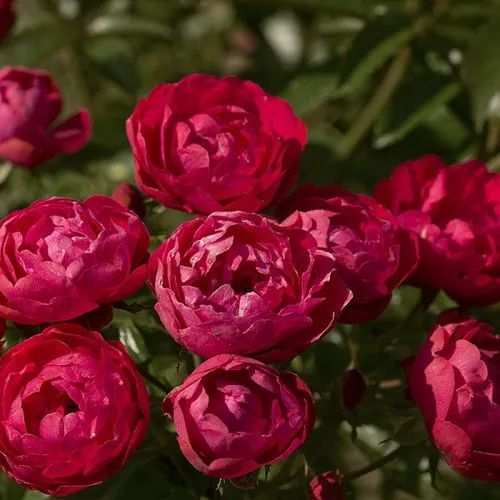
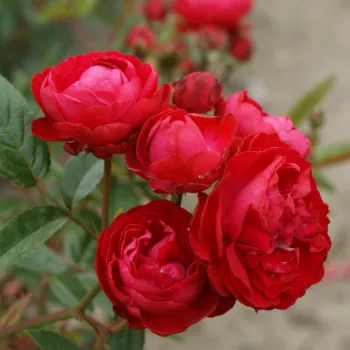
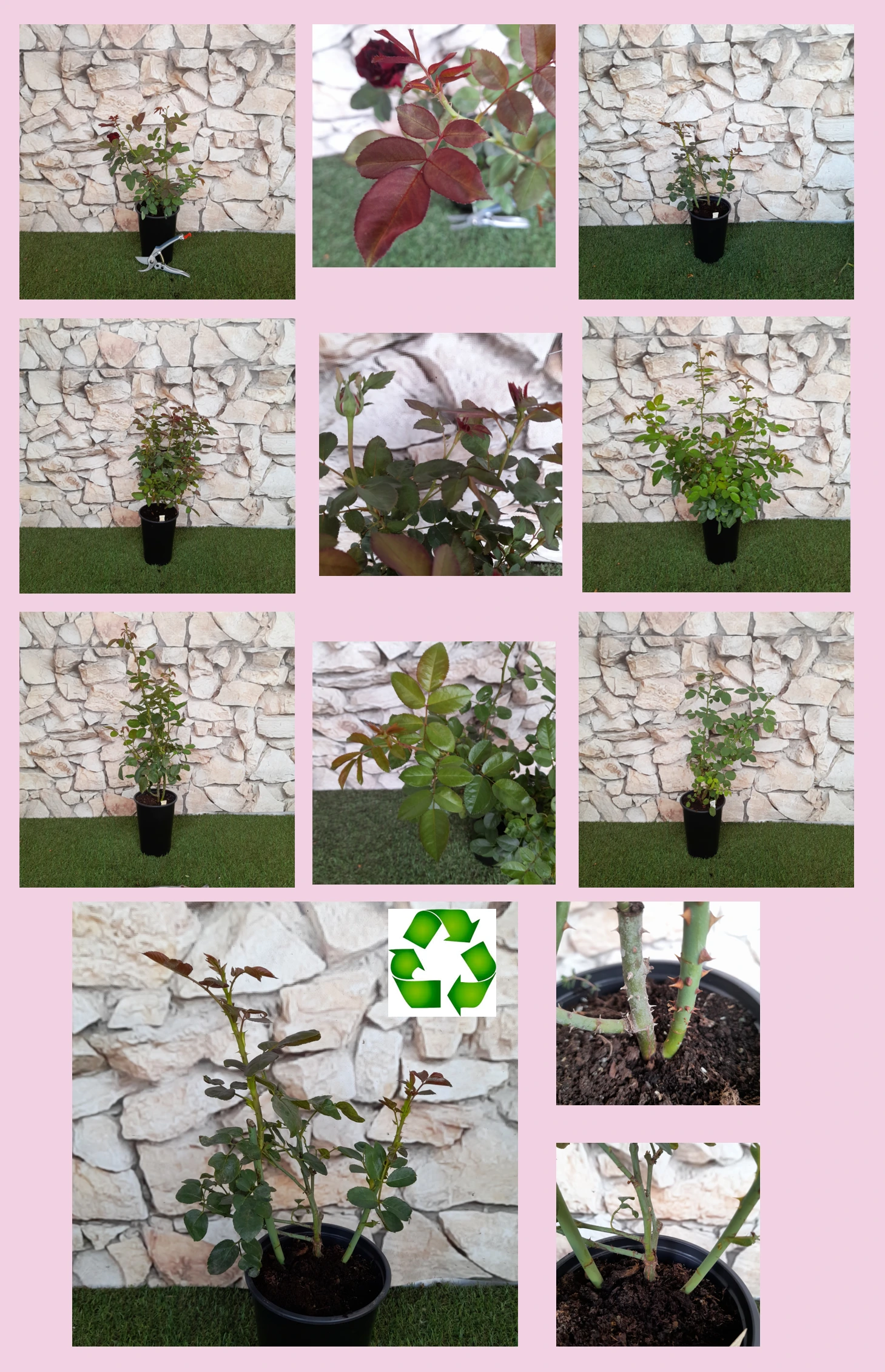
Created for romantic, storybook borders, MORSDAG® surrounds patios and paths with dense clusters of rich crimson blooms from early summer well into autumn, bringing a sense of cosiness and nostalgic charm to family gardens. Its compact habit makes it ideal for edging beds or filling smaller spaces where you want a traditional cottage feel but have limited time for maintenance. As an own-root plant it is naturally durable, rebuilding from the base after harsh winters and keeping its shape tidy for many years with only light, occasional pruning. Flowers are produced in tight clusters that open in succession, so the display remains colourful and neat even on breezy, exposed sites by the sea where shelter is scarce and weather can be unpredictable. The glossy, dark green foliage forms an attractive backdrop to the velvety red pompon blooms, and its moderate disease resistance supports easy-care routines in typical British conditions. With a compact spread and reliable, repeat-flowering performance, this 2‑litre, container-grown, own-root rose settles quickly into borders or large pots, developing strong roots in the first year, fuller top growth in the second, and a mature ornamental presence by the third.
Usage options
| Target area |
Reasoning |
| Low front-of-border edging in a cottage-style bed |
The compact height and spreading habit allow MORSDAG® to form a low, continuous edging along paths and borders, giving a neat, traditional cottage outline without needing intricate pruning or shaping – ideal for beginners. |
| Mass planting for long-lasting colour carpets |
Planted in groups at the recommended spacing, its repeat-flowering clusters create a dense carpet of red that hides bare soil and reduces weeding, rewarding simple seasonal care with a reliable, long-lived display – reassuring for homeowners. |
| Large patio containers and roof terraces (40–60 L) |
In a substantial 40–60 litre container, the compact roots and tidy growth give abundant blossom on balconies and patios; own-root resilience means it regrows well after winter, even where space and time are limited – perfect for urbanites. |
| Family gardens with minimal maintenance time |
Moderate disease resistance, light prickling and partial shade tolerance make it practical near play areas, lawns and seating; occasional deadheading is usually enough to keep flowers coming for months – practical for busy owners. |
| Coastal and wind-exposed sites |
The low, compact framework and dense foliage help the plant stay stable and attractive where strong winds quickly spoil taller roses, so colour and form remain dependable even in blustery, changeable seaside weather – appreciated by coastal gardeners. |
| Traditional hedging and path-lining |
At closer spacing it forms a low, flower-laden hedge that clearly defines paths or separates kitchen garden areas, while own-root plants fill out evenly along the row over the years, reducing the need for gap-filling – valued by planners. |
| Long-term, low-fuss planting schemes |
As an own-root rose it can regenerate from the base after harsh winters or accidental damage, maintaining shape and bloom quality for many seasons, a sound choice where you want roses to be a lasting feature – suited to investors. |
| Classic red accent in mixed shrub and perennial borders |
Its pure, rich red flowers hold their colour well, providing a clear focal note among greens, creams and mauves; the gradual build from strong roots to full top growth over three seasons rewards patient, thoughtful gardeners. |
Styling ideas
- Kitchen-border – Edge a kitchen garden path with a low row of MORSDAG® and interplant chives and sage for pretty, productive structure – ideal for cottage-plot enthusiasts.
- Patio-focus – Place a single plant in a 50 L terracotta pot flanked by lavender for fragrance and soft contrast – suitable for balcony and small-terrace owners.
- Storybook-hedge – Create a low, undulating hedge along the lawn, weaving in pale pink geraniums at intervals – perfect for families wanting a fairy-tale feel.
- Crimson-drift – Mass-plant several shrubs on a gentle slope for a red “river” effect, underplant with hardy thyme to knit the planting together – appealing to low-maintenance planners.
- Rose-arbour – Use MORSDAG® at the base of a simple wooden arch, combining with light clematis to carry colour upwards – ideal for lovers of romantic garden entrances.
Technical cultivar profile
| Parameter |
Data |
| Name and registration |
MORSDAG® bedding polyantha rose; commercial type polyantha bedding rose, bed rose group; ARS exhibition name Mothersday; unregistered cultivar, verified authenticity for garden use. |
| Origin and breeding |
Polyantha sport from ‘Dick Koster’ with Rosa rugosa ancestry; bred by F. J. Grootendorst and J. de Goey in Boskoop, Netherlands; introduced in 1949 through Poulsen Roser and Grootendorst. |
| Awards and recognition |
Recognised on the show bench as a reliable polyantha spray; multiple 1st place awards in ARS local exhibitions between 1998 and 2001 underline its decorative bedding value. |
| Growth and structural characteristics |
Compact shrub 40–60 cm high and 60–90 cm wide with dense, glossy dark green foliage; lightly thorned stems, medium self-cleaning; forms a low, spreading mound useful in beds and edging. |
| Flower morphology |
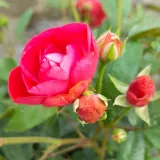
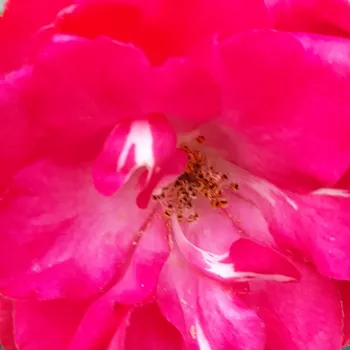
Small, double pompon blooms, 0.5–1.5 inches across, borne in large clusters; 26–39 petals per flower; remontant habit with generous second flush, ensuring extended seasonal coverage. |
| Colour data and phenology |
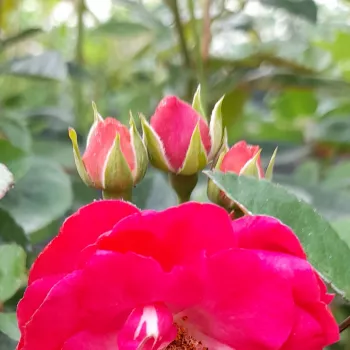
Rich crimson red (RHS 53A outer, 53B inner) with velvety finish; opens deep, then lightens slightly to clear mid-red without muddiness; colour retention very good from bud to petal drop. |
| Fragrance and aroma |
Very weak, barely perceptible rose-like scent; primarily selected for flower form and bedding effect rather than perfume, making it best used where colour and structure are the main design aims. |
| Hip characteristics |
Hip set is sparse due to fully double flowers; where present, forms small, spherical red hips around 5–7 mm diameter, adding only minor ornamental interest in late season. |
| Resistance and winter hardiness |
Hardy to approximately –26 to –23 °C (RHS H7, Swedish zone 4, USDA 5b); good resistance to powdery mildew and black spot, moderate rust resistance; needs regular watering in extended heat. |
| Horticultural recommendations |
Suitable for beds, edging, groundcover and containers; plant 45–85 cm apart depending on use, 3.3–3.8 plants/m² for mass effect; partial shade tolerant, medium maintenance, benefits from occasional deadheading. |
MORSDAG® offers compact, dependable colour, long-term own-root resilience and easy care in borders or large containers, making it a thoughtful, enduring choice for relaxed family gardens and romantic cottage-style spaces.