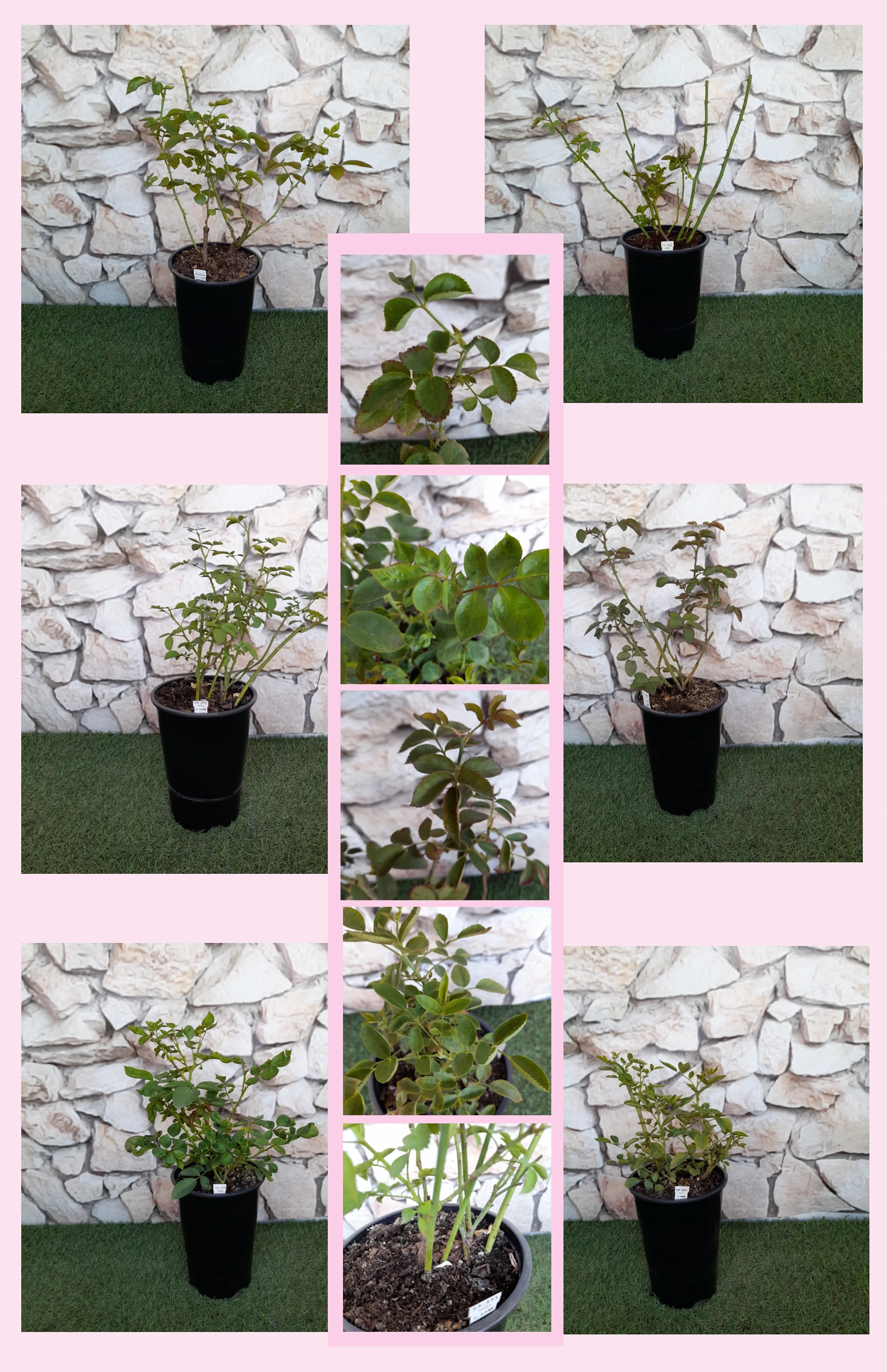
MISS PIGGY – apricot-yellow hybrid tea rose - Voorn
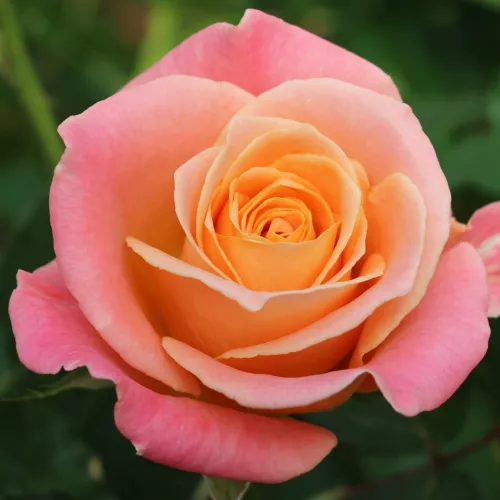
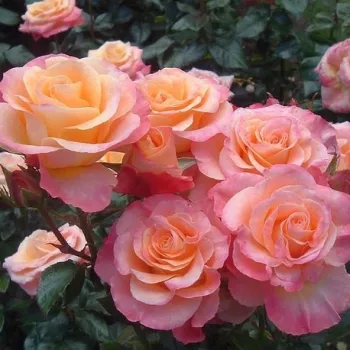
MISS PIGGY is a glamorous hybrid tea rose for those who love refined colour, generous blooms and an elegant, upright habit without taking on demanding gardening chores. Its large, high‑centred flowers open from powder‑pink buds to a warm peach‑yellow centre with soft pink outer petals, creating a romantic, storybook border effect that pairs beautifully with cottage‑garden favourites and rustic hedging. Strong, classic fragrance makes it ideal beside a terrace or garden bench, so you can enjoy afternoon tea beneath an arbour and breathe in the scent. On tough, wind‑exposed plots it remains reassuringly steady and well anchored, coping well with blustery conditions near the coast. Dense dark green foliage, almost thornless stems and low maintenance needs suit busy households, while the own‑root plant establishes steadily for long‑term garden value.
Usage options
| Target area |
Reasoning |
| Main sunny border in a family garden |
This cultivar’s upright, compact structure fits easily into average‑sized borders, giving height without overwhelming nearby plants. Regular repeat flowering brings reliable colour from early summer onwards with minimal intervention. Plant at the recommended spacing for a neat, balanced presence beside paths or lawns, and deadhead lightly to keep it tidy for shared family spaces – perfect for the style‑conscious homeowner. |
| Feature rose near seating or terrace |
The strong, classic rose fragrance and striking peach‑pink blooms make this variety ideal near seating, where you can appreciate its scent at close quarters. An own‑root plant develops a solid framework over time, so after initial watering and simple seasonal care it will continue to perform year after year. The development from establishing roots to ever stronger flowering stems naturally builds up your garden’s character across successive seasons – ideal for the relaxed tea‑lover. |
| Romantic cottage‑style mixed planting |
Placed among perennials such as lady’s mantle and meadow sage, the soft two‑tone flowers create a gentle, “girly” cottage feel with a refined cut‑rose silhouette. Disease resistance reduces the need for sprays, making it easier to blend into informal family borders. Its almost thornless stems are simpler to manage around paths, and light pruning keeps it structured without specialist techniques – well suited to the aspiring cottage‑gardener. |
| Own‑root specimen in a large container |
In a pot of at least 40–50 litres, this upright rose becomes a striking focal point for patios or small urban gardens. The robust root system of an own‑root plant supports long‑term use in containers if watering is regular, while good winter hardiness offers reassurance in colder spells. The good disease profile keeps foliage presentable in confined spaces where you see it daily – ideal for the busy balcony‑owner. |
| Small front‑garden statement by the entrance |
MISS PIGGY’s elegant buds and show‑rose form create an immediate impression beside a gate or front door. The dense foliage and compact spread allow it to fit into narrow beds or alongside low hedging without overcrowding. Strong winter hardiness and reliable health mean fewer replacements over the years, making it a sound choice where you want dependable kerb appeal – reassuring for the long‑term‑minded buyer. |
| Cut‑flower patch within a kitchen garden |
Originally bred as a cut‑flower type, this rose offers long‑stemmed, high‑centred blooms well suited to vases and indoor arrangements. Planting in an accessible row makes deadheading and cutting straightforward, and remontant flowering gives flushes of blooms throughout the season. The romantic colouring harmonises with home‑grown foliage and herbs for country‑style bouquets – an enjoyable project for the creative arranger. |
| Lightly formal rose grouping or low hedge line |
Regular spacing of plants in a single line produces a gently formal effect, with repeated upright silhouettes and matching flower form. This works particularly well along paths or around seating areas where a low visual boundary is needed. The rose’s good disease resistance and moderate maintenance needs keep the line attractive without frequent, detailed work – a practical option for the time‑pressed gardener. |
| Exposed, wind‑prone garden beds |
In breezier gardens, the compact, upright habit and steady framework help the plant remain stable even when the weather turns blustery. Once rooted in well‑prepared soil with decent drainage, it copes reliably with gusty, coastal‑style winds and stays visually composed. Regular but uncomplicated care such as watering in dry spells is generally sufficient to keep flowering going – suitable for the weather‑aware family. |
Styling ideas
- COTTAGE RIBBON – Thread MISS PIGGY through a border of lady’s mantle and meadow sage for frothy lime and purple underplanting beneath the peach‑pink blooms – for lovers of soft English‑countryside romance.
- TEA TERRACE – Position a single plant in a generous container beside a bistro set so its strong classic scent drifts over your afternoon tea – for homeowners who value fragrance over fuss.
- STORYBOOK GATE – Flank a garden gate with one or two specimens, backed by clipped box or low hedging, to frame a welcoming, fairy‑tale entrance – for families wanting traditional charm at the front door.
- KITCHEN POSY – Dedicate a short row in the kitchen garden for cut stems, mixing arrangements with herbs and foliage such as rosemary and smoke bush – for home florists who enjoy seasonal bouquets.
- EVENING BORDER – Combine this rose with dusky‑leaf smoke tree and pale perennials so the warm flower tones glow against dark foliage in late light – for those curating a refined, after‑work retreat.
Technical cultivar profile
| Parameter |
Data |
| Name and registration |
MISS PIGGY – apricot-yellow hybrid tea rose, commercial group Hybrid Tea; exhibition name Miss Piggy; collection Hybrid tea rose; commercial type tea hybrid rose for garden and cutting use. |
| Origin and breeding |
Bred by Lex Voorn (Lex+) in Germany, introduced and registered in 2010. Parentage officially unknown; developed originally for the cut-flower trade, later adapted for garden use as an own-root plant. |
| Awards and recognition |
Fleur Première – Best New Variety at Horti Fair, Amsterdam, 2010, recognising its refined flower form, commercial performance as a cut rose, and appealing two-tone peach and pink colouration. |
| Growth and structural characteristics |
Upright, compact shrub 120–160 cm tall, 50–70 cm wide, with dense, matt, dark green foliage and almost thornless shoots. Spent blooms generally remain on the plant and benefit from regular deadheading to maintain a neat appearance. |
| Flower morphology |
Large, high-centred, pointed-budded flowers on mostly solitary stems, with approximately 13–25 petals giving a semi-double look. Remontant habit with a plentiful second flush, well suited to cutting and formal garden displays. |
| Colour data and phenology |
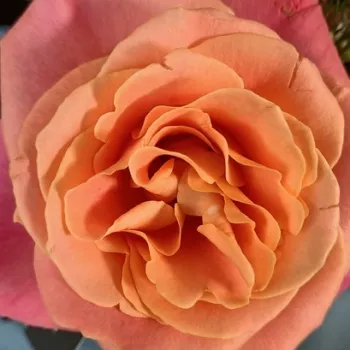
Warm peach-yellow centre with pink outer petals; ARS code RB, RHS 53B outer and 60A inner. Buds open golden-peach, then fade to powder-pink cream, with a subtle two-tone effect before finally becoming a soft, uniform pastel shade. |
| Fragrance and aroma |
Rich, classic rose fragrance of strong intensity, easily noticeable at a short distance and particularly enjoyable near seating. Primarily ornamental, with no specific data for culinary or cosmetic use, but valued by gardeners who prioritise scent. |
| Hip characteristics |
Hip set is usually sparse due to the flower form; when formed, hips are small, bright red, ellipsoidal, around 10–14 mm in diameter. Decorative effect from hips is limited and rarely a major feature of the plant. |
| Resistance and winter hardiness |
Good resistance to powdery mildew, black spot and rust in typical garden conditions; winter hardy to approximately –23 to –21 °C (RHS H7, Swedish zone 3, USDA 6a). Requires regular watering and does not tolerate prolonged drought. |
| Horticultural recommendations |
Prefers full sun and fertile, well-drained soil. Recommended spacing: 60 cm for groups, 50 cm for hedging, 90 cm as specimen; 2.8–3.2 plants/m² for mass planting. Maintenance is low, focusing on deadheading, feeding and straightforward annual pruning. |
MISS PIGGY combines refined cut-rose elegance, strong fragrance and reliable repeat flowering with the steady, long-lived performance of an own-root plant, making it a thoughtful choice for a romantic yet easy-care family garden.