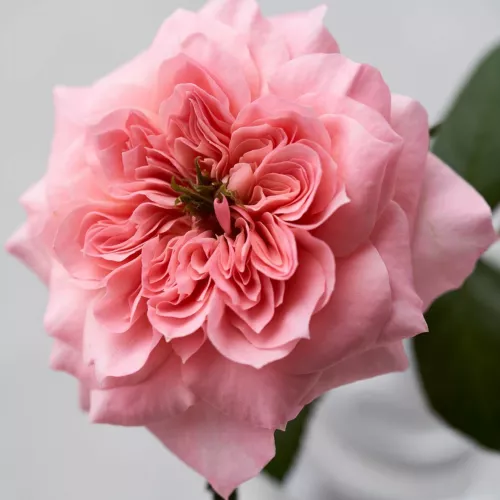
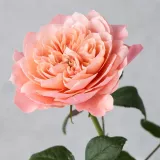
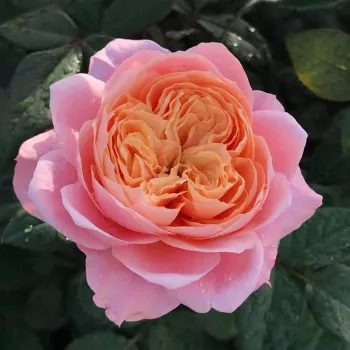
MIKOTO – salmon-pink nostalgia rose – Kunieda
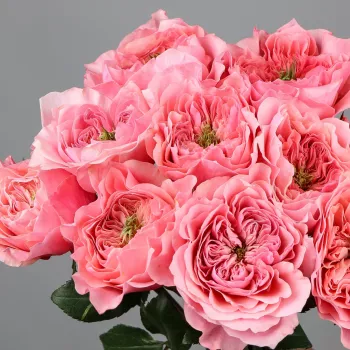
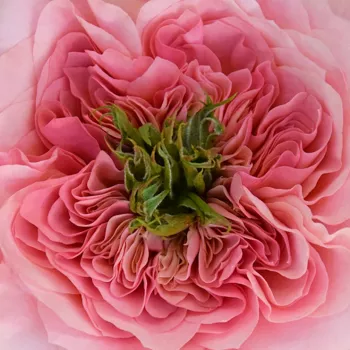
Bringing a touch of storybook romance to the family garden, MIKOTO settles in quickly as an own‑root shrub that rewards simple care with generous flushes of soft salmon‑pink blooms. Its upright, moderately compact habit suits average‑sized borders, cottage‑style hedges or a feature by the patio, while sparse thorns keep routine tasks more comfortable. The very double rosette flowers create a nostalgic atmosphere for afternoon tea beneath an arbour, their large, plush heads opening from deep rose‑peach buds into creamy peach‑salmon cups with a silvery sheen as they age. In UK gardens, MIKOTO copes well with blustery days and changeable weather where good drainage has been considered in heavier soils. As an own‑root plant it can live for decades, quietly rebuilding from the base after harsh winters, so its ornamental value remains stable with only moderate maintenance. Over time the moderately glossy mid‑green foliage knits into a neat, upright structure that anchors mixed borders without dominating, while repeat flowering brings fresh rosettes through the season and a light, fruity‑rosy fragrance completes the picture of relaxed, romantic charm.
Usage options
| Target area | Reasoning |
|---|
| Romantic feature by a terrace or seating area |
As an own-root shrub with a naturally upright, moderately compact outline, MIKOTO forms an elegant focal point that is easy to place beside a terrace or garden bench without overwhelming the space. Its stable structure means less staking or tying-in, and light, straightforward pruning keeps it tidy rather than demanding expert shaping, making it suitable for relaxed everyday use near outdoor living areas for the busy urban gardener. |
| Cottage-style mixed border in a family garden |
MIKOTO’s large, very double rosette blooms and shifting salmon‑pink tones give an instant cottage-garden feel, pairing beautifully with perennials such as coneflowers or airy spires for a soft, layered look. The reliable repeat flowering keeps colour in the border between other plants’ main seasons, while own-root vigour allows it to knit steadily into the planting, supporting long-term border plans with minimal replacement for the traditional-style homeowner. |
| Informal low hedge along a path or kitchen garden |
Planted at 40 cm intervals, this upright shrub makes a low, romantic hedge that frames paths or separates a kitchen garden without feeling rigid or formal. Its moderately dense foliage and consistent height help guide the eye through the garden, and the own-root base copes better with occasional gaps or accidental damage, gradually re-filling spaces and maintaining the hedge line over many years for the family garden planner. |
| Cutting corner for home-arranged bouquets |
Originally bred as a cut-flower type, MIKOTO’s XL, very double blooms are ideal for gathering a few stems for jugs and vases indoors, bringing their nostalgic character into the house. The remontant habit ensures there are further buds to follow after each picking, and own-root resilience means that light cutting does not exhaust the plant in the long term, making it a steady provider of romantic stems for the home flower arranger. |
| Large patio container or front-door statement pot |
With its upright habit and moderate spread, MIKOTO performs well in a generous container of at least 40–50 litres, where the root system has space to develop without becoming quickly pot-bound. A large volume of compost helps buffering against summer drying, and the plant’s moderate maintenance needs mean that basic watering and feeding keep it presentable by a front door or seating area across the season for the time-conscious container owner. |
| Long-term structural planting in small to medium gardens |
As an own-root shrub, MIKOTO is not dependent on a graft union, so it can regenerate from the base after hard pruning or winter damage and steadily gain strength year after year. This brings a long lifespan and a dependable outline in the garden, reducing the need for periodic replacement and helping maintain a coherent planting design over time for the forward-planning gardener. |
| Planting in exposed or changeable-weather situations |
In typical British conditions with gusty days and shifting weather, MIKOTO’s balanced height and moderately dense framework reduce wind rock, while its robust stems hold the full blooms well. When set in soil with improved drainage on heavier sites, it settles into a sturdy, reliable presence that weathers seasons without fuss and needs only routine checks for the practical garden owner. |
| Low-effort romantic accent for beginners |
MIKOTO suits gardeners who want romance without a complicated care regime: simple spring pruning, occasional deadheading and basic feeding are usually sufficient for a good display. As an own-root plant it forgives small mistakes, quietly re-sprouting if a stem is pruned too hard, and its moderate disease resistance responds well to basic monitoring, fitting comfortably into the routine of the novice rose enthusiast. |
Styling ideas
- Arbour-escape – Train MIKOTO up a light obelisk beside a bench, underplanted with airy grasses, to frame an afternoon-tea nook – ideal for romantics who enjoy quiet reading corners.
- Kitchen-border – Combine MIKOTO with herbs and soft-textured perennials to soften the edge of a vegetable patch – suited to families who like a productive yet pretty garden.
- Pastel-ribbon – Plant a short hedge of MIKOTO along a main path, weaving in white and blush perennials for a ribbon of gentle colour – perfect for those who favour classic cottage charm.
- Terrace-companion – Place a single shrub in a large 50-litre pot with trailing thyme at its feet to frame patio seating – good for busy homeowners wanting low-effort elegance.
- Storybook-duo – Pair MIKOTO with a dusky purple salvia or coneflower in a mixed bed for contrast that still feels soft – for gardeners drawn to nostalgic yet subtly modern plantings.
Technical cultivar profile
| Parameter | Data |
|---|
| Name and registration |
Shrub nostalgia rose from the Romantic rose collection, marketed as MIKOTO – salmon-pink nostalgia rose – Kunieda; commercial use name verified for authenticity on 05.05.2025 for darinarose.co.uk customers. |
| Origin and breeding |
Bred by Kunieda Keiji at Rose Farm Keiji, Japan, from a ‘Miyabi’ seedling; breeding completed in 2008, introduced commercially in 2016 as a premium ornamental shrub for garden and cutting use. |
| Growth and structural characteristics |
Upright shrub, around 80–110 cm high and 45–60 cm wide, with moderately dense, mid‑green, slightly glossy foliage and relatively sparse thorns; forms a neat, vertical outline in mixed borders or low hedges. |
| Flower morphology |
Very double rosette blooms with 40+ petals, XL flower size and solitary presentation on stems; remontant with particularly prolific second flush, giving generous repeat flowering over the main season in suitable conditions. |
| Colour data and phenology |
Soft salmon-pink base with peachy tones; deep rose‑peach buds open to creamy peach‑salmon rosettes, fading to apricot-rose pink with silvery-rosy outer petals; colour retention is modest so tones shift gently as blooms age. |
| Fragrance and aroma |
Mild, fresh, fruity-rosy fragrance best appreciated at close range or when several stems are gathered; scented enough to complement seating areas and indoor arrangements without becoming overpowering in smaller spaces. |
| Hip characteristics |
Hip set generally low due to the very double flowers; when present, produces small, spherical orange-red hips around 7–10 mm in diameter, offering occasional additional seasonal interest late in the year. |
| Resistance and winter hardiness |
Hardy to approximately –21 to –18 °C (RHS H7, USDA 6b, Swedish zone 3); shows moderate tolerance of powdery mildew, black spot and rust, with regular watering and basic hygiene supporting healthy growth in summer heat. |
| Horticultural recommendations |
Best in sunny positions with well-prepared soil; plant 50 cm apart for beds, 40 cm for hedges or 80 cm as specimen. Maintenance is moderate, with occasional pest or disease checks and periodic deadheading advised. |
MIKOTO – salmon-pink nostalgia rose – Kunieda offers generous repeat flowering, compact upright growth and enduring own-root resilience; a thoughtful choice if you would like romantic colour with straightforward care.