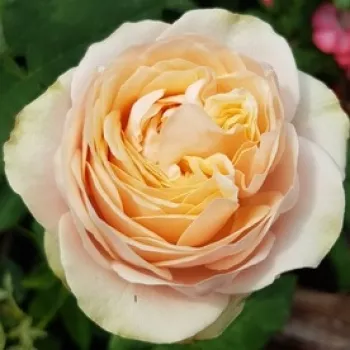
MARIE NATALE – apricot-pink hybrid tea rose
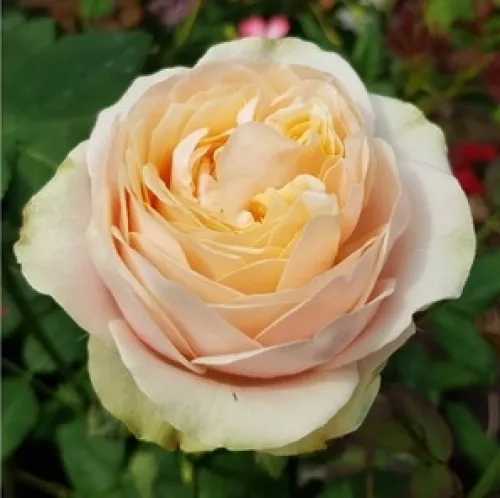
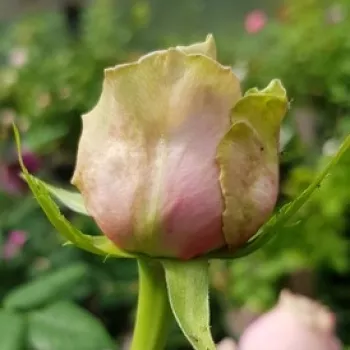
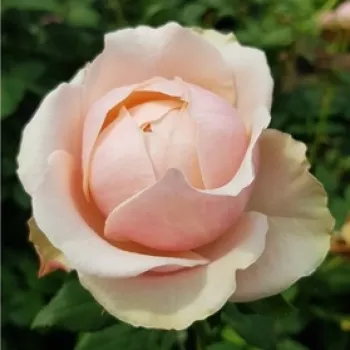
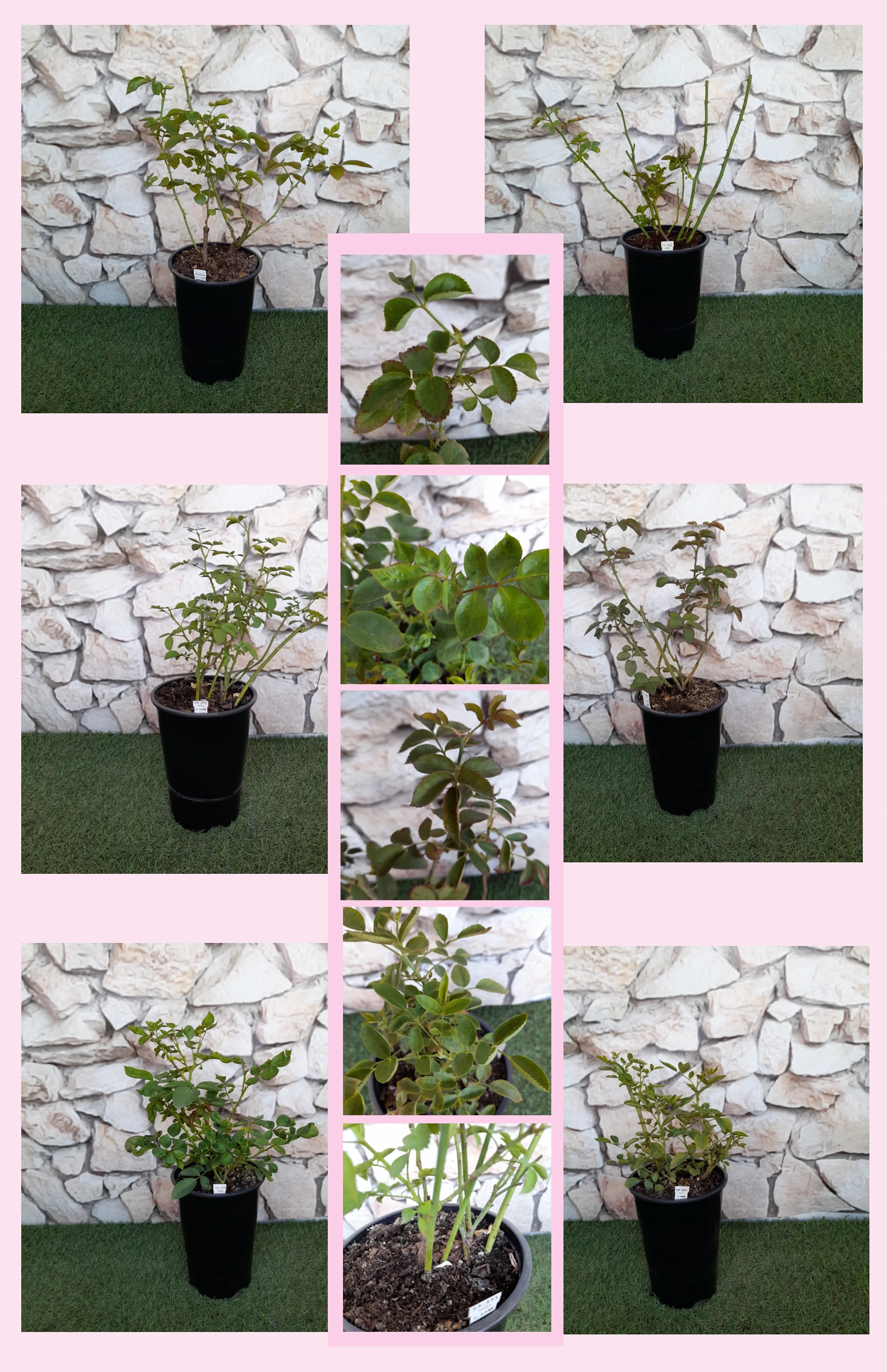
Imagine afternoon tea under an arbour while fruity perfume drifts from large, apricot‑pink blooms: MARIE NATALE is an upright, medium‑tall hybrid tea that fits beautifully into a cottage‑style border and copes well with exposed, breezy gardens and typical British showers that test many roses. Its very double, globular flowers appear on long, elegant stems for cutting, with a romantic play of colour from peachy buds to creamy, silvery fades. On its own roots it keeps its shape reliably, regenerates from the base and remains dependable year after year, an advantage if you are planning a long‑lived family garden. Once planted and watered in, general care is pleasantly manageable, with only moderate disease monitoring needed. Planted in good soil or a generous 40–50 litre container, it quickly becomes a focal point among perennials, hedging or a kitchen‑garden layout. Over time you can watch the natural development from strong roots, to fuller shoots, to complete ornamental presence in the border, giving a quietly evolving storybook feel. Its medium height and dense, mid‑green foliage make it easy to integrate into mixed plantings, whether you favour soft pinks, creams and herbs or a more formal cutting‑garden look near the house.
Usage options
| Target area |
Reasoning |
| Main rose in a small cottage border |
The upright, medium height and dense, mid‑green foliage allow MARIE NATALE to anchor a short mixed border without dominating it, giving reliable structure in a compact space and a strong romantic focus for cottage‑style homeowners. |
| Cutting patch for home bouquets |
Extra‑large, very double flowers are carried mostly singly on long, straight stems, ideal for cutting; the strong, full‑bodied fruity fragrance and refined colour changes bring florists‑rose elegance into simple jugs and vases for hobby‑gardeners. |
| Feature rose by terrace or seating area |
The generous scent and repeat flowering make it perfect beside a bench, pergola or patio table, where its perfume and colour can be enjoyed at close quarters during daily routines by busy urban garden‑owners. |
| Own-root, long-lived family planting |
As an own‑root rose it grows from its own shoots rather than a graft, so damaged stems can regenerate from the base and the plant maintains a consistent look over many years, reassuring for long‑term‑planning families. |
| Mixed planting with perennials and low shrubs |
The slightly glossy, mid‑green foliage makes a calm backdrop to softer perennials, while the medium growth and moderate prickliness are easy to work around when weeding, which suits relaxed, cottage‑style beginners. |
| Raised beds or improved heavy clay soils |
Medium maintenance and moderate disease resistance mean that, once set into well‑drained soil or a raised bed, the rose can cope with typical UK wet spells and heavier ground, reassuring for those gardening on clays and loams. |
| Large container on balcony or small terrace |
Its upright habit and repeat flowering work well in a 40–50 litre pot, where watering and feeding are easy to manage and the rose becomes a moveable focal point for compact, low‑maintenance city‑gardens. |
| Romantic arbour or pathway accent |
Positioned near a path or light arch, the tall stems with scented blooms frame movement without needing complicated pruning, coping calmly with everyday wind and rain in British gardens for time‑pressed, style‑conscious owners. |
Styling ideas
- TEA‑TABLE BORDER – Plant MARIE NATALE near a seating area with lavender and soft pink lupins to enjoy fragrance and cutting stems close to hand – ideal for relaxed afternoon‑tea lovers.
- COUNTRY‑KITCHEN ROW – Line a kitchen‑garden path with this rose and herbs such as thyme and chives, creating a pretty yet productive route for practical family cooks.
- ROMANTIC HEDGEROW – Use the recommended closer spacing to form a low, scented boundary, interspersed with dwarf honeysuckle for year‑round structure, for traditional‑style homeowners.
- CONTAINER COURTYARD – Grow one plant in a large terracotta pot with trailing thyme at the rim to soften the edges, perfect for small patios and busy urban gardeners.
- SOFT‑FOCUS MIXED BED – Combine its apricot‑pink blooms with pale phlox, catmint and airy grasses to achieve a storybook look suited to romantic cottage‑garden fans.
Technical cultivar profile
| Parameter |
Data |
| Name and registration |
Hybrid tea rose MARIE NATALE, a florists‑type hybrid tea grown on its own roots for garden use; current trade name: MARIE NATALE – apricot‑pink tea hybrid rose – Nakazawa. |
| Origin and breeding |
Bred by Tadashi Nakazawa in Japan around 2006; precise parentage and initial distribution data are unavailable, but the cultivar reflects hybrid tea breeding for cut‑flower quality. |
| Growth and structural characteristics |
Upright hybrid tea with dense, mid‑green, slightly glossy foliage; height around 75–110 cm, spread 50–70 cm, moderately thorny stems forming a bushy, well‑filled outline. |
| Flower morphology |
Very double, globular to pompon blooms with over 40 petals; extra‑large solitary flowers on strong stems, remontant with generous repeat, providing showy, formal hybrid tea flowers. |
| Colour data and phenology |
Apricot‑pink blooms with warm peach centres and creamy outer petals, ARS code OP, RHS 57C outer, 33C inner; colour lightens to cream‑pink with silvery, slightly greenish tinges as flowers age. |
| Fragrance and aroma |
Strong, noticeable perfume with a full‑bodied, fruity character; scented blooms are well suited to planting near paths, seating or doors where fragrance can be appreciated frequently. |
| Hip characteristics |
Rosehip set is generally low due to very double flowers; occasional small hips may form, but fruit display is minor and should not be considered a principal ornamental feature. |
| Resistance and winter hardiness |
Medium disease resistance with moderate susceptibility to powdery mildew, black spot and rust; hardy to about −21 to −18 °C (RHS H7, USDA 6b, Swedish Zone 3) with normal garden protection. |
| Horticultural recommendations |
Suitable for borders, specimen and cutting use; plant 35–65 cm apart depending on effect, with 5.7–6.5 plants/m² for massing; medium maintenance with occasional pest and disease checks. |
MARIE NATALE offers large, fragrant blooms on an upright, easy‑to‑place plant that repeats well and builds long‑term presence on its own roots; a considered choice if you want romantic colour with straightforward care.