LOVERS' MEETING – orange hybrid tea rose - Gandy
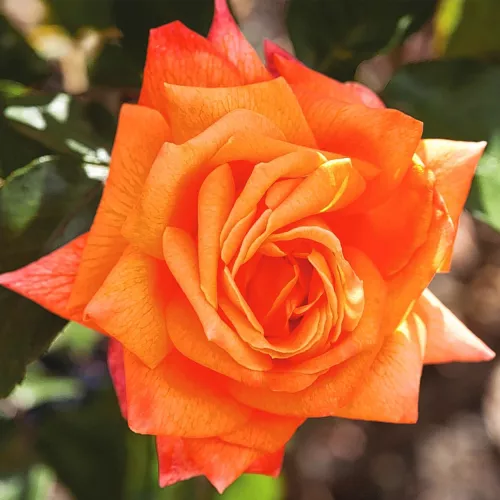
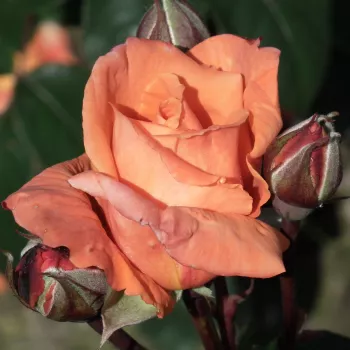
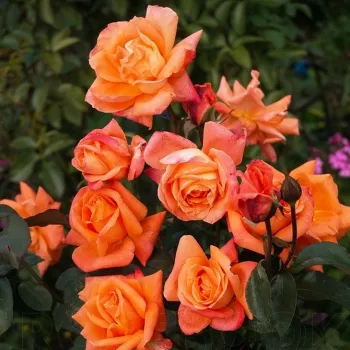
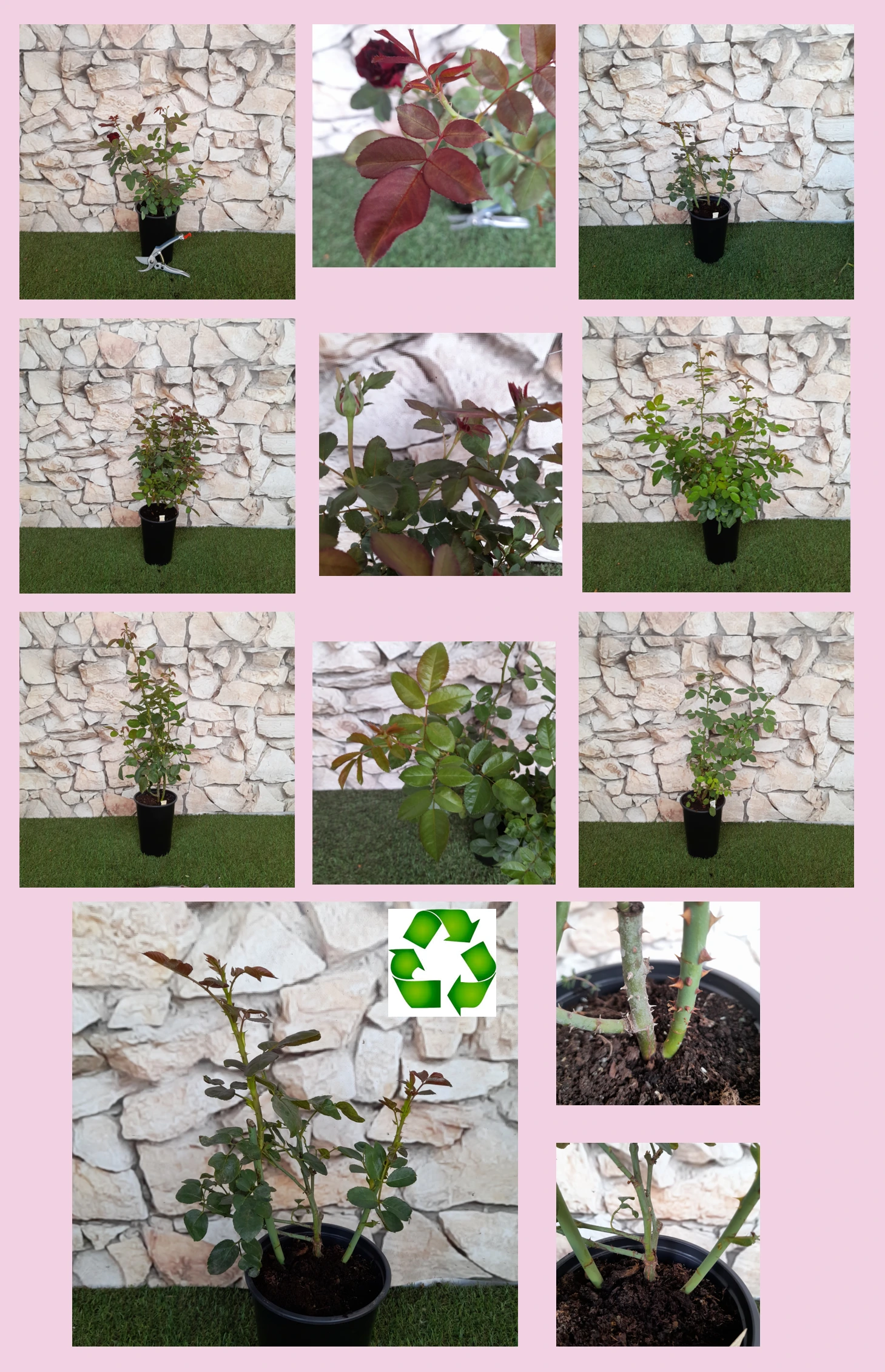
Picture an intimate corner of your garden where you can pause with afternoon tea, framed by the glowing blooms of Lovers’ Meeting: a classically shaped hybrid tea rose in a clear, romantic orange. Its upright, elegant habit and moderately glossy, dark green foliage give a neat, composed look that suits both traditional beds and smaller urban plots. The flowers open from high-centred buds into refined, double blooms with a gentle fragrance, ideal for cutting and bringing indoors. Developed in the United Kingdom, this rose fits naturally into cottage-style borders and kitchen gardens, while its remontant flowering ensures reliable flushes through the season. As an own-root plant, Lovers’ Meeting grows steadily, with roots first, then stronger shoots, then full garden presence over three seasons, supporting a long, stable life in your planting. In heavier soils it appreciates a raised bed or improved drainage, providing reassuring anchorage and dependable performance even where winters are brisk. Over time, the bush matures into a romantic focal point, its medium-sized flowers held well above the foliage, retaining a tidy outline that remains attractive between flushes of colour.
Usage options
| Target area |
Reasoning |
| Main rose bed in a family garden |
Lovers’ Meeting forms a well-behaved, upright bush with medium height and moderately dense foliage, giving a composed look that is easy to work around in mixed beds. Its tidy structure means less reshaping and simpler seasonal care for busy gardeners |
| Cutting patch for home bouquets |
The high-centred, hybrid tea blooms are designed for the vase: straight stems, medium-sized flowers and good substance make it simple to cut and arrange. Regular picking encourages new buds, extending flowering for home flower enthusiasts |
| Romantic cottage-style border |
The vivid orange tones, softening to peach, give a warm, storybook feel among perennials and herbs. Repeating flushes of flower keep colour in the border with only light pruning and deadheading, suiting cottage-garden admirers |
| Sunny front garden for kerb appeal |
Its glossy dark foliage and neat habit provide structure even between flower flushes, helping a small front garden look cared-for without constant intervention. Occasional shaping is sufficient, making it practical for time-pressed homeowners |
| Large containers on terrace or patio |
In a container of at least 40–50 litres, the upright form and moderate spread fit well beside seating areas, and the mild fragrance can be enjoyed at close quarters. Own-root resilience offers long-term value for balcony and patio owners |
| Urban gardens with limited planting space |
The controlled width and vertical growth make it easy to integrate along paths or in narrow beds, adding colour without overcrowding. As an own-root plant, it recovers well from pruning and stays productive for compact-space gardeners |
| Mixed planting on heavier UK soils |
Planted in improved soil or a low raised bed, it copes reliably where clay can cause winter wet, providing dependable flowering and solid anchorage in exposed suburban plots, a reassurance for typical family gardeners |
| Low-maintenance traditional rose display |
Moderate disease resistance, remontant flowering and the capacity to regenerate from the base help reduce replacement needs over time. The own-root system supports a long-lived planting that suits low-fuss rose lovers |
Styling ideas
- Kitchen-border romance – Thread Lovers’ Meeting through a kitchen garden with herbs and dwarf boxwood edging for a soft, traditional look – ideal for cottage-vegetable plot keepers
- Terrace-centrepiece – Grow in a 50-litre terracotta pot by outdoor seating so upright, neat growth and fragrant flowers frame afternoon tea – suited to patio and balcony homeowners
- Sunset-ribbon – Plant a low ribbon of this warm orange rose along a path, underplanted with blue verbena to emphasise its structured habit – for colour-loving pathway designers
- Front-garden focus – Use one or three plants as a focal group in a small front lawn island, relying on the bush’s tidy outline for easy kerb appeal – perfect for busy family households
- Arbour-entrance echo – Flank an arbour or pergola entrance with pairs of Lovers’ Meeting, letting their vertical form mirror the structure without overwhelming it – appealing to romantic garden planners
Technical cultivar profile
| Category |
Data |
| Name and registration |
Lovers’ Meeting is a hybrid tea rose, commercial type hybrid tea, with ARS exhibition name Lovers’ Meeting; bred by Douglas Leonard Gandy and offered here under its verified trade designation. |
| Origin and breeding |
Originating in the United Kingdom around 1980, Lovers’ Meeting is from an unnamed seedling crossed with ‘Egyptian Treasure’, representing classic hybrid tea breeding with refined flower form. |
| Growth and structural characteristics |
Forms an upright bush 100–140 cm high and 65–95 cm wide, with moderately dense, dark green, glossy foliage and moderate prickliness; spent blooms generally require manual removal to stay tidy. |
| Flower morphology |
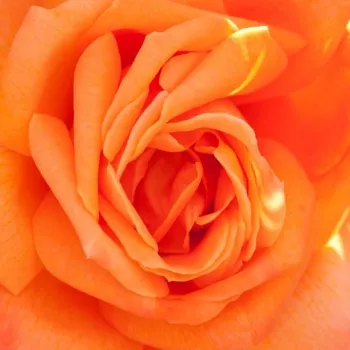
Medium-sized, high-centred, double blooms with approximately 26–39 petals; flowers are typically solitary on stems, with strong hybrid tea form and abundant repeat flowering through the season. |
| Colour data and phenology |
Colour ranges from deep red-tinged orange buds to vivid orange (RHS 30A–32B), softening to peach-orange as blooms age; overall effect is a warm, clear orange with a gently fading progression. |
| Fragrance and aroma |
Fragrance is soft and mild, a restrained rose scent noticeable at close range; primarily grown for visual effect and cut flowers rather than for strong perfume or aromatherapy purposes. |
| Hip characteristics |
Occasionally forms small, spherical rose hips about 10–14 mm in diameter, coloured orange-red; hips are usually incidental and not a dominant ornamental feature on the plant. |
| Resistance and winter hardiness |
Hardy to approximately −21 to −18 °C (RHS H7, USDA 6b), with good resistance to powdery mildew and black spot, moderate rust tolerance, and reasonable heat performance given adequate moisture. |
| Horticultural recommendations |
Best in full sun with fertile, well-drained soil; medium maintenance with occasional plant protection, spaced 50–100 cm depending on use, suitable for beds, hedging, containers and urban plantings. |
LOVERS’ MEETING offers neat, upright growth, repeat flowering and elegant cut blooms in a resilient own-root form that will reward patient gardeners for many seasons; a thoughtful choice if you favour long-lived romantic roses.