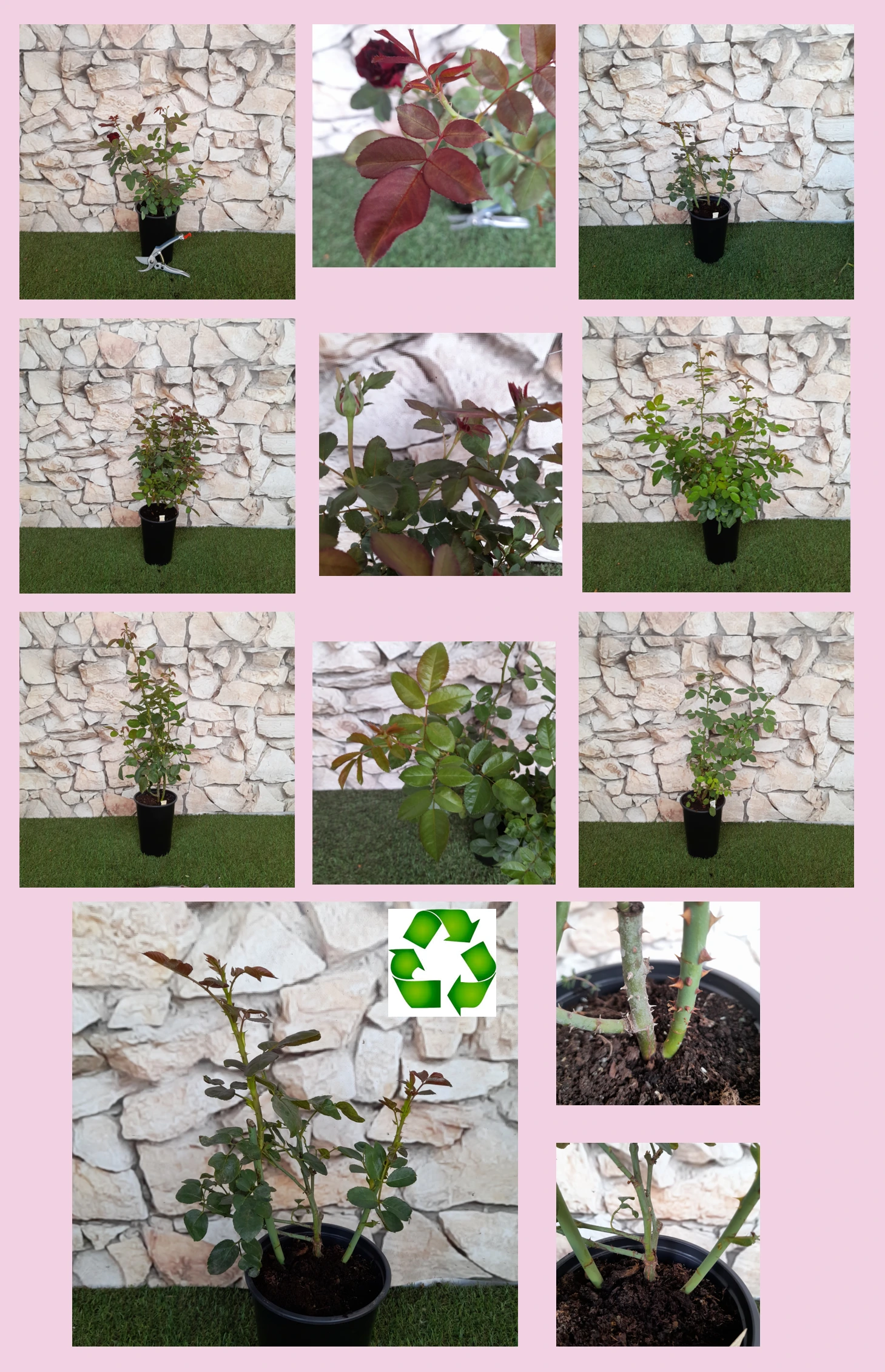
LOVE LETTER – cream-white bedding floribunda rose – Lens
With its softly cream-white blooms and pale lemon centres, LOVE LETTER brings an immediate sense of romantic cosiness to a family garden, evoking afternoon tea beneath an arbour and storybook charm. This compact floribunda is naturally reliable, bred for low-maintenance flower beds and borders that cope well with brisk coastal breezes and changeable weather. As an own-root plant, it is quietly durable, regenerating from the base and maintaining a stable shape without complex pruning, ideal for beginners seeking long-term comfort. In its first season it concentrates on rooting, the next on strong shoots, and from the third year it settles into full ornamental character. Perfect for traditional cottage-style beds, edging a kitchen garden path or filling a large (40–50 litre) container on a sunny terrace, it offers season-long clusters of flowers with minimal effort.
Usage options
| Target area |
Reasoning |
| Front-of-border in a cottage-style bed |
Compact, upright growth (60–85 cm) and dense dark foliage make this floribunda ideal for the front third of a mixed border, where its cream-white clusters read clearly against greens and pastels with little shaping needed – well suited to the relaxed gardener homeowner |
| Traditional flower bed in a family garden |
Bred as a bedding rose, it works beautifully in classic rectangular beds or curved island plantings, repeating flushes of bloom over the season without complicated care, so beds look tended even when time is short – ideal for busy family gardeners |
| Low hedge or path edging |
Planted at 25–30 cm intervals, its upright, evenly branched habit forms a low, tidy hedge that outlines paths or lawns; the uniform height and long lifespan of own-root plants keep the line coherent year after year – helpful for structure-focused planners |
| Large containers on terrace or patio |
In a 40–50 litre or larger pot, LOVE LETTER offers a refined, compact rose for small urban spaces; own-root resilience helps it tolerate pot culture, while repeat blooming adds romance beside seating without demanding constant attention – perfect for city residents |
| Mixed planting with herbs and perennials |
Its soft colouring partners naturally with rosemary, Carpathian bellflower and other cottage perennials, giving a cohesive English country feel; disease resistance keeps foliage fresh so the whole planting looks harmonious – suited to style-conscious designers |
| Cut flowers for the house |
Medium-sized, cup-shaped blooms on cluster stems provide charming, informal bunches; remontant flowering ensures a steady supply, while the gentle colour is easy to match with simple table settings and everyday interiors – attractive for casual cut-flower enthusiasts |
| Low-maintenance, long-term planting scheme |
Good resistance to powdery mildew, black spot and rust means fewer sprays and less intervention, particularly valuable in humid, disease-prone districts, while own-root growth gives the plant the capacity to regenerate and remain presentable – reassuring for time-poor beginners |
| Coastal or wind-exposed family plots |
The sturdy, relatively low habit and well-branched framework help it stand up to brisk winds and unsettled weather near exposed sites, keeping flowers and foliage presentable across the season with only basic care – supportive for practical coastal owners |
Styling ideas
- COTTAGE RIM – Line a narrow bed along a sunny path with LOVE LETTER and low campanulas, creating a soft, storybook edge – for lovers of informal English cottage borders.
- HERB COURTYARD – Combine this rose in a square bed with rosemary and silver-leaved herbs, echoing a traditional kitchen garden feel – for home cooks who enjoy cutting both flowers and flavourful sprigs.
- TEA-TIME ARBOUR – Plant groups around a simple bench or arbour, backed by evergreen cherry laurel for contrast, evoking quiet afternoon tea moments – for families wanting a romantic focal point with little upkeep.
- PATIO SALON – Place a single plant in a generous 50-litre terracotta pot beside outdoor seating, underplanting with pastel violas for seasonal colour – for urban balcony or terrace owners seeking easy elegance.
- FORMAL PANEL – Arrange in tight rows within a rectangular bed for a classic parterre effect, relying on repeat flowering and even height to keep lines crisp – for gardeners who favour traditional, low-maintenance structure.
Technical cultivar profile
| Parameter |
Data |
| Name and registration |
Floribunda bedding rose; registered as LENpiro, marketed as LOVE LETTER flower bed rose LENpiro, with ARS exhibition name Love Letter; classified within the bed rose group. |
| Origin and breeding |
Bred by Louis Lens in Belgium from ‘Pink Parfait’ × ‘Rosenelfe’; breeding year 1977, registered 1979, introduced 1980 by Lens Roses, representing classic late twentieth-century European floribunda work. |
| Awards and recognition |
Recognised in competition with both Gold and Silver medals at the Kortrijk/Courtrai rose trials in 1979, confirming strong garden performance and presentation under independent trial conditions. |
| Growth and structural characteristics |
Compact, upright shrub to around 60–85 cm high and 40–55 cm wide, moderately thorny, with dense, slightly glossy, dark green foliage forming a neat, well-branched framework suited to beds and low hedges. |
| Flower morphology |
Semi-double, cup-shaped clusters with approximately 17–25 petals per bloom; large-flowered within floribundas, with abundant first flush and strong remontant repeat, providing season-long decorative clusters. |
| Colour data and phenology |
Cream-white petals with a soft lemon-yellow flush in the centre; colour deepens slightly in cooler weather and pales in heat, opening from tinted buds to near white blooms with a warm-toned heart. |
| Fragrance and aroma |
Fragrance is very weak, with only a faint rosy character detectable at close range; primarily selected for visual effect, bed performance and health rather than for strong scent or aromatic uses. |
| Hip characteristics |
Rose hips form only sparsely; when present they are small, spherical, about 6–9 mm in diameter, with an orange-red colour that adds subtle late-season interest without dominating the plant. |
| Resistance and winter hardiness |
Rated hardy to approximately –21 to –18 °C (RHS H7, Swedish zone 3, USDA 6b), with recorded resistance to powdery mildew, black spot and rust supporting low-input gardening in typical UK conditions. |
| Horticultural recommendations |
Best in a sunny position; plant at 25–30 cm in beds or hedges, 50 cm as specimens; suitable for borders, flower beds, larger containers and cutting, generally low maintenance with minimal intervention needed. |
LOVE LETTER offers compact, repeat flowering, disease-resistant charm in an own-root form that promises long-lived, dependable beauty in family gardens; a thoughtful choice if you prefer roses that quietly earn their place.