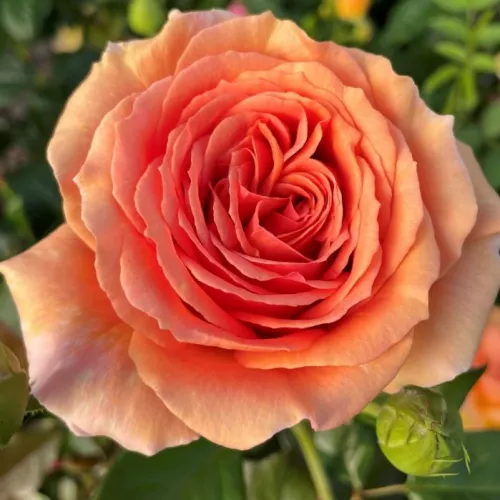
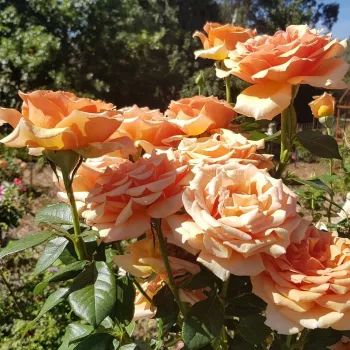
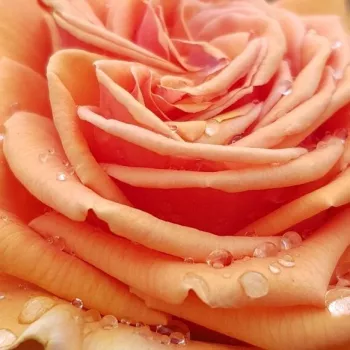
KING DAVID – orange hybrid tea rose (TANmarsa)
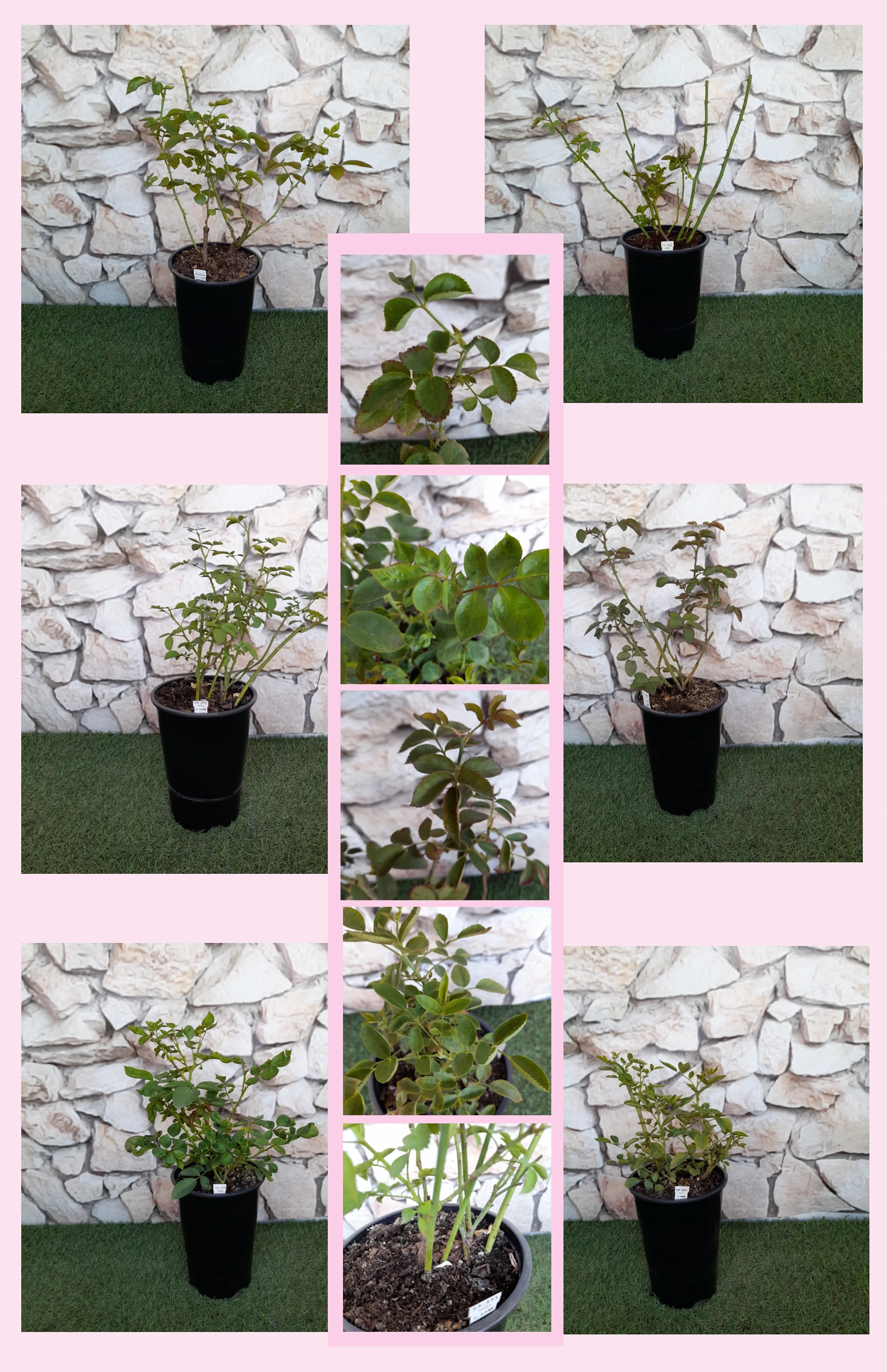
With its richly coloured blooms and upright form, KING DAVID brings a quietly luxurious note to an English-style family garden, giving you that sense of afternoon tea beneath a rose-covered arbour in complete cosiness. Its warm coppery-orange flowers are ideal for cutting, so you can enjoy their subtly fruity fragrance indoors as well as out, while the shrub’s compact, upright habit fits neatly into smaller borders and cottage-style beds. Grown on its own roots for dependable longevity, this 2-litre plant arrives already established, making it simple to settle even where the garden is breezy and occasionally windy. Over time the plant thickens into a denser, more romantic presence with sturdy branching and good heat tolerance. Its medium care needs suit keen but busy gardeners who still want a traditional look; just give it sun, reasonable drainage and regular dead-heading to keep those storybook blooms returning through summer.
Usage options
| Target area |
Reasoning |
| Feature rose near a seating area or patio |
Large, high‑centred hybrid tea blooms in warm orange-to-peach tones create a focal point beside benches, arbours or a small patio, matching the feel of relaxed afternoon tea and giving a soft romantic look for lovers of cottage style. |
| Cutting patch in a kitchen or cutting garden |
The XL, pointed-budded flowers are bred for cutting, with long, straight stems and a light fruity scent, so you can harvest elegant stems for vases without stripping the garden, ideal for home flower arrangers. |
| Small specimen rose in a mixed border |
Its compact, upright habit (around 60–80 cm) and dense foliage make it easy to drop into an existing border as a single statement plant, providing height without overpowering nearby perennials for owners of modest gardens. |
| Traditional cottage-style rose bed |
Regular repeat flowering and strong, warm colour help structure a cottage rose bed, especially when partnered with blues and purples; own-root plants bulk up steadily, giving a long-lived display for families planning long term. |
| Container planting on terrace or front step |
Its upright, tidy growth makes it suitable for a large container of at least 40–50 litres, where a deeper soil volume keeps it stable and evenly moist, a practical option for busy urban balcony gardeners. |
| Sunny, heat-prone corners of the garden |
Good heat and drought tolerance (with regular watering in dry spells) allow KING DAVID to cope well in hotter spots, keeping blooms and foliage presentable through summer for gardeners in warmer regions. |
| Long-term planting in family gardens |
As an own-root rose, it regenerates well from the base and avoids graft-union problems, so over the years it remains true to type and reliable, a sound choice for homeowners wanting permanence. |
| Roses in breezier, more exposed plots |
Its relatively low, upright build and dense foliage help it stand up to everyday garden winds in typical UK suburbs and coastal fringes, holding its shape in changeable weather for coastal and exposed-plot gardeners. |
Styling ideas
- Cottage Border Ribbon – Plant KING DAVID in a loose row with Geranium pratense and Salvia nemorosa for a blue‑and‑orange cottage border that repeats all summer – ideal for romantic cottage‑garden enthusiasts
- Tea Table Feature – Place a single plant near a bench or bistro set, underplanted with low herbs, to echo classic afternoon tea among orange blooms – suited to homeowners creating a cosy seating nook
- Kitchen Cut-Flower Patch – Group three plants at the back of a veg or cutting bed so you can pick long-stemmed blooms for jugs and vases – perfect for home growers who love bringing flowers indoors
- Front-Garden Welcome – Use one or two in large 40–50 litre pots by the front door, with soft trailing perennials, for a warm, tidy welcome – good for busy urban families wanting impact with few tasks
- Sunny Corner Anchor – Tuck a pair into a sunny, heat‑catching corner to anchor lighter planting and provide dependable colour through hot spells – great for gardeners with warm, sheltered spots to fill
Technical cultivar profile
| Property |
Data |
| Name and registration |
Hybrid tea rose; registered as TANmarsa. Marketed as KING DAVID – orange tea-hybrid rose – Evers; also shown as Ashram in exhibition classes for hybrid tea cut flowers. |
| Origin and breeding |
Bred by Hans Jürgen Evers for Rosen Tantau, Germany, from unknown parentage; selected as a strong, heat-tolerant orange hybrid tea and introduced commercially in 1998. |
| Growth and structural characteristics |
Compact, upright bushy shrub reaching about 60–80 cm high and 50–70 cm wide, with moderately thorny stems, dense medium-dark green foliage and a slightly glossy leaf surface. |
| Flower morphology |
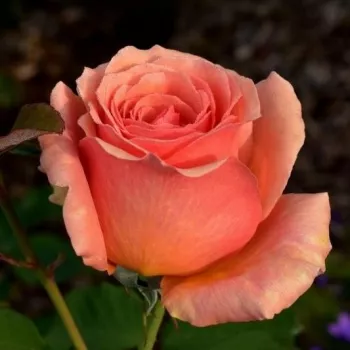
High-centred, pointed hybrid tea blooms, semi-double with around 17–25 petals, usually borne singly on stems; extra-large flower size makes it very suitable for cutting and exhibition use. |
| Colour data and phenology |
Deep brown-copper buds open to rich copper-orange blooms, maturing through warm orange to peachy tones with a faint rosy hint; colour lightens moderately yet remains harmonious as petals age. |
| Fragrance and aroma |
Light but noticeable fruity aroma, delicate rather than overpowering; pleasant at close range on the plant and in cut stems, adding refinement without dominating nearby scented plants. |
| Hip characteristics |
Hip set is usually sparse; where present, small ellipsoidal orange-red hips about 8–12 mm across may develop, offering occasional late-season interest without heavy self-seeding. |
| Resistance and winter hardiness |
Rated to approximately −21 to −18 °C (RHS H7, USDA 6b, Swedish Zone 3); disease resistance and self-cleaning are medium, so occasional dead-heading and routine monitoring are advised. |
| Horticultural recommendations |
Thrives in full sun with fertile, well-drained soil; plant 35–65 cm apart depending on use; suitable for beds, low hedging, specimens and large containers, with moderate maintenance needs. |
KING DAVID (TANmarsa) offers romantic warm-orange blooms, a compact upright habit and solid heat tolerance on a regenerating own-root plant, making it a dependable, gently luxurious choice for long-term family gardens.