JACKY'S FAVORITE – pink bedding floribunda rose
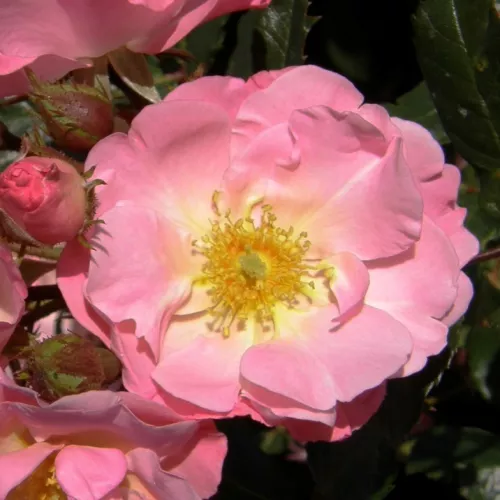
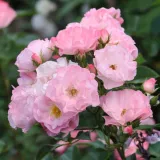
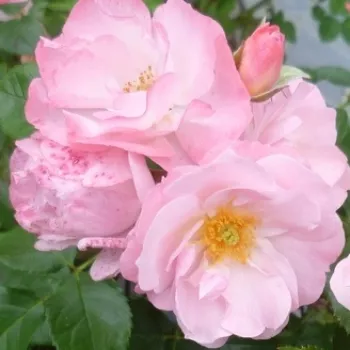
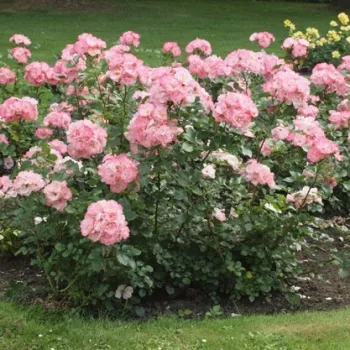
Imagine afternoon tea beneath a leafy arbour, framed by romantic pink clusters of JACKY'S FAVORITE drifting above dark, glossy foliage; this tall, arching floribunda is bred for durability in real family gardens, coping well even where coastal winds and rain demand reliable structure and anchoring. Its generous clusters of single blooms give a soft, storybook cottage feel, the golden stamens providing a gentle focus that also pleases passing bees. As an own‑root rose it offers quiet longevity, regrowing from its base if weather or pruning are less than perfect, and settling into a stable, mature outline over time. You can expect a natural screening effect from its height and breadth, ideal behind a kitchen garden or along a boundary. Repeated flushes keep the borders luminous from early summer onwards, while the low maintenance needs suit those who prefer more tea and less deadheading. In a 40–50 litre container or a small hedge, its flexible planting options and forgiving nature make it an easy partner for family-friendly, low‑fuss gardening.
Usage options
| Target area | Reasoning |
|---|
| Front garden statement by the path or driveway |
The tall, upright yet arching habit creates an immediate vertical presence, ideal where you want a romantic welcome without complex upkeep. Positioned by a path, its generous clusters of mid‑pink blooms read clearly from the pavement and pair well with simple evergreens, while own‑root vigour ensures it remains a long‑term feature with minimum intervention for the time‑pressed homeowner, especially the busy beginner. |
| Cottage-style mixed border in a family garden |
This variety offers season-long flowering in soft pink tones that blend effortlessly with foxgloves, phlox and kitchen-garden planting, supporting a traditional English countryside look. Remontant flowering gives repeated flushes, keeping borders lively even if feeding and pruning are basic, so the bed maintains colour through holidays and busy school terms, reassuring the family gardener. |
| Informal flowering screen or light hedge |
Its height and broad spread allow it to form a loose, flowery screen, ideal for softening fences or separating play areas from vegetable beds. Own-root plants respond well to harder pruning if required, then rebuild from the base, so the hedge can be refreshed without losing the planting line, giving confidence to the cautious pruner. |
| Large container by terrace or seating area |
In a 40–50 litre pot or half‑barrel, this rose gives arbour‑like height in tight spaces, bringing the tea‑time cottage feel onto patios and small town gardens. The upright habit means less congestion around garden furniture, while the stable own-root system and moderate growth make watering and feeding the main tasks, appealing to the balcony owner. |
| Low-input family border with limited maintenance |
Selected for vigorous growth and low maintenance, it copes with modest feeding and simple annual trimming. Although spent blooms benefit from occasional removal, the plant still produces abundant new clusters, so flowering continues even in busy weeks, making it suitable for those who garden at weekends and value resilient, forgiving planting, especially the time-poor parent. |
| Coastal or wind-exposed suburban gardens |
The robust frame and dense, glossy foliage offer good wind tolerance and hold their shape under rain, helping the plant stay presentable where conditions are less sheltered; this makes it a useful structural rose in open plots and newer developments, reassuring those whose gardens face regular gusts and downpours, including the seaside homeowner. |
| Pollinator-friendly rose area near kitchen garden |
The single, open blooms with visible golden stamens are moderately attractive to bees and other beneficial insects, fitting well beside herbs, fruit bushes and vegetable beds. Clusters keep nectar available across repeated flushes, allowing a gentle wildlife connection without turning the border wild, a subtle benefit appreciated by the nature-conscious. |
| Long-term structure in evolving new gardens |
As an own-root rose, JACKY'S FAVORITE builds a strong base, lives longer and regenerates well after hard winters or experimental pruning, so it can mature alongside new planting. Think of roots establishing first, shoots filling out next, then full ornamental effect by the third year, suiting the patient yet practical new homeowner. |
Styling ideas
- Kitchen-border romance – Pair JACKY'S FAVORITE with foxgloves, garden phlox and herbs along a vegetable plot edge to create a storybook division between productivity and prettiness – ideal for the cottage-leaning family cook.
- Soft-screen hedge – Plant a loose row along a fence with Japanese holly at intervals for winter structure; let the arching pink clusters veil the boundary – suited to homeowners wanting privacy without hard lines.
- Patio-tea corner – Grow one plant in a 50 litre terracotta container beside a bistro set, underplanted with lavender and thyme for scent and bee interest – perfect for balcony and terrace users seeking romance in little space.
- Pastel-mix border – Combine with pale delphiniums, soft blue nepeta and cream roses to emphasise the luminous pink flushes and long flowering season – for those curating a gentle, feminine cottage palette.
- Family-play backdrop – Use a small group behind a lawn or play area, underplanted with low evergreens to catch stray balls while the roses provide height and colour – aimed at parents wanting beauty that copes with everyday use.
Technical cultivar profile
| Parameter | Data |
|---|
| Name and registration |
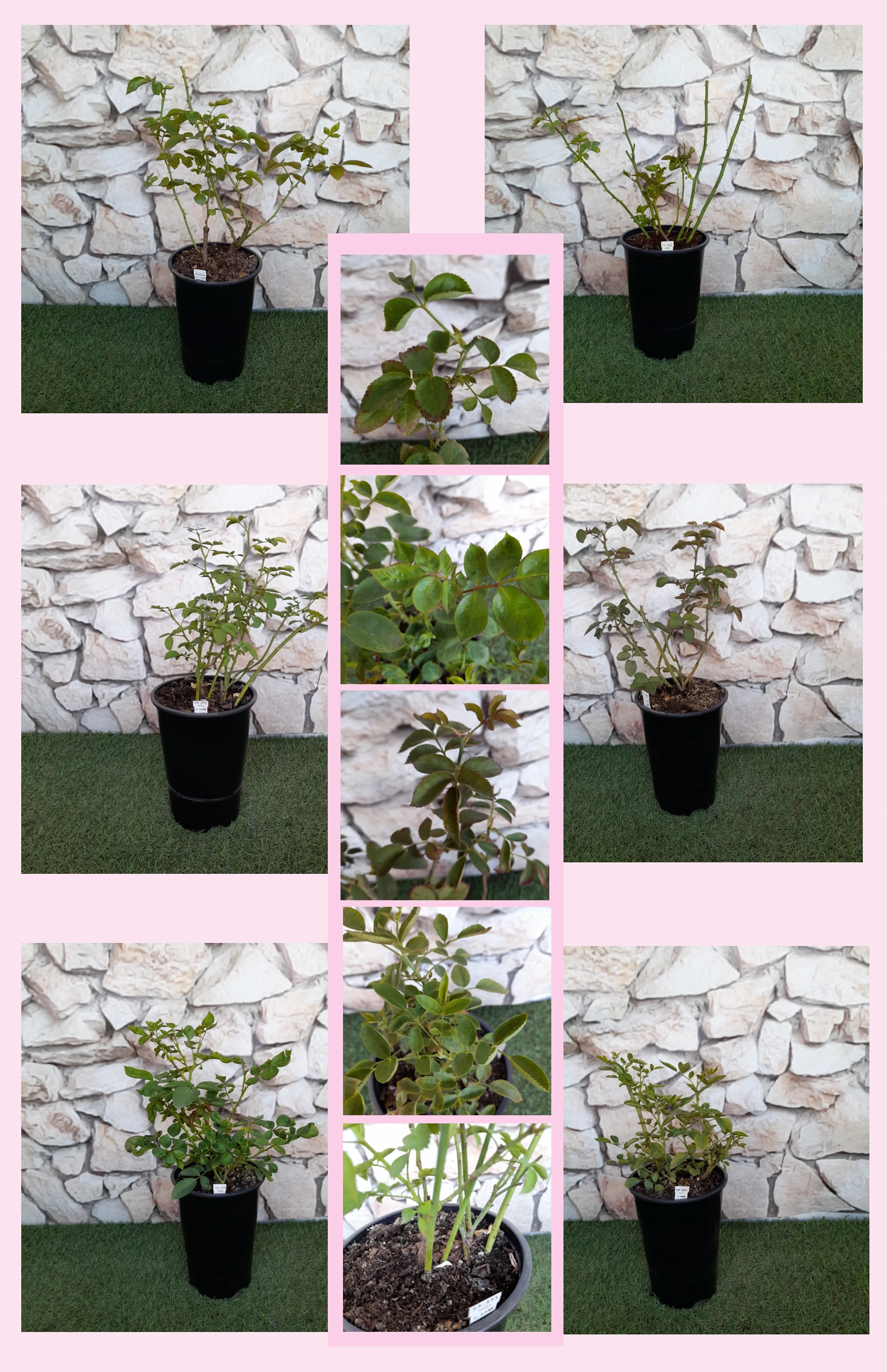
Jacky's Favorite is a floribunda bed rose marketed as JACKY'S FAVORITE – pink bedding floribunda rose; ARS exhibition name Jacky's Favorite; own-root in 2-litre pharmaROSA ORIGINAL form. |
| Origin and breeding |
Bred by RVS – Rijksstation voor Sierplantenteelt in Belgium (1993), introduced by Best Select in 2009; parentage unknown, selected for garden performance rather than exhibition traits. |
| Growth and structural characteristics |
Strong, upright habit with broadly arching shoots; height 150–210 cm, spread 210–290 cm; dense, glossy dark green foliage, moderate prickliness and good presence in mixed borders or informal screens. |
| Flower morphology |
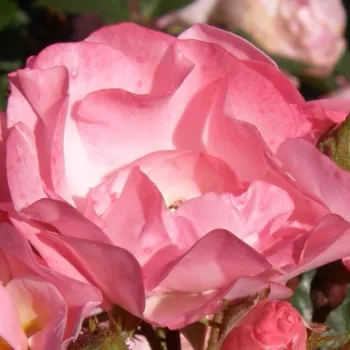
Single, flat blooms with 5–12 petals, medium size (approx. 4–7 cm), borne in clusters; remontant with abundant second flush, though weak self-cleaning means spent heads may require occasional removal. |
| Colour data and phenology |
Mid-pink flowers (RHS 57C outer, 65D inner) that lighten to cream-white, finally creamy-ivory; golden-yellow stamens show in full bloom, creating a soft pastel effect across repeated seasonal flushes. |
| Fragrance and aroma |
Very weak fragrance, barely noticeable in normal garden use; chosen primarily for colour effect, floribunda-style display and dependable flowering rather than for scented-rose collections or cut-flower use. |
| Hip characteristics |
Produces moderately abundant spherical hips, 5–8 mm in diameter, red (RHS 43A); ornamental effect is discrete, with hips adding subtle autumn interest without becoming dominant on the plant. |
| Resistance and winter hardiness |
Rated H7, hardy to around −21 to −18 °C; good resistance to powdery mildew, black spot and rust, with moderate tolerance of heat and drought, suiting low-spray gardens across much of the UK. |
| Horticultural recommendations |
Best in full sun or light partial shade, in well-prepared soil with good drainage; low maintenance needs, basic annual pruning and feeding sufficient; suitable for beds, parks, urban green and larger containers. |
JACKY'S FAVORITE offers generous, repeat pink flowering, resilient own-root longevity and adaptable use as border feature or informal screen, a reassuring choice if you prefer a long-lived, easy-care rose you can simply plant and enjoy.