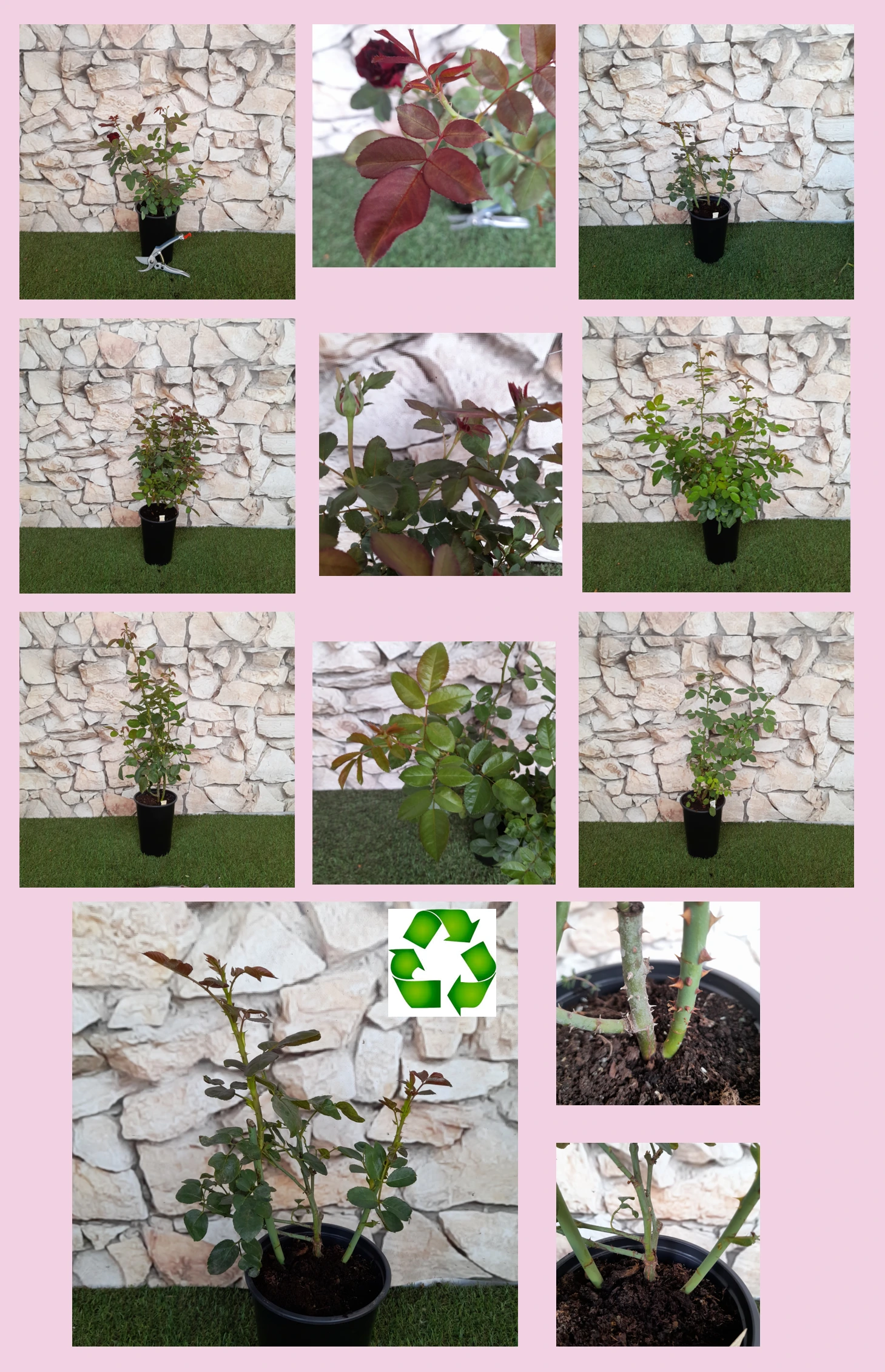
HUDDERSFIELD CHORAL SOCIETY – purple-white bedding floribunda rose – Rawlins
Choose HUDDERSFIELD CHORAL SOCIETY to bring a sense of romance and informal cottage charm to your garden, with generous clusters of lilac-purple blooms that repeat flower steadily through the season and fill the air with a strong, classic rose fragrance. This upright, bushy floribunda forms a neat, medium-sized shrub that suits most family gardens, while its reliable disease resistance keeps maintenance comfortably low. As an own-root plant it develops a durable, well-anchored framework that helps it cope with blustery conditions and typical coastal winds in exposed gardens. Over time the shrub naturally gains presence, rewarding simple deadheading with even more flowering. In the first year it concentrates on roots, in the second on building shoots, and by the third year it reaches its full ornamental impact, offering long-lived, stable colour in beds, borders or large patio planters. Its colour-changing, lilac-to-pink blooms weave beautifully into relaxed, “girly” cottage schemes, while the compact, upright habit means it fits easily into mixed plantings without overwhelming nearby herbs, perennials or vegetables. With thoughtful spacing you can create low, fragrant hedges or repeat groupings that support a soft, storybook garden rhythm and structure that remain attractive for many years.
Usage options
| Target area |
Reasoning |
| Front-of-border cottage bed |
The upright, bushy habit and medium height allow HUDDERSFIELD CHORAL SOCIETY to sit perfectly at the front of a mixed cottage border, giving structured, long-season colour without dominating the space. Reliable repeat flowering and low maintenance needs suit borders in busy family gardens where time is limited for detailed care, yet a romantic feel is essential for those who favour a traditional look and soft planting combinations – ideal for the hobby cottage-garden homeowner. |
| Low flowering hedge along a path |
Planted at 35–40 cm intervals, this floribunda forms a low, scented hedge that guides family members and guests along paths or driveways. The repeat-flowering clusters provide a near-continuous ribbon of lilac and pinkish tones, while good disease resistance helps the hedge remain tidy with limited spraying or intervention. Own-root plants regenerate well if a section is damaged or needs rejuvenation pruning, supporting a long-lived, dependable boundary feature that enhances everyday garden journeys – a thoughtful solution for families seeking a welcoming cottage-style approach. |
| Mass planting in a family lawn island bed |
Square or hexagonal planting at the recommended densities creates a bold drift of colour that can hold its own in the middle of a lawn. The consistent height and bushy shape knit together into a low, softly mounded mass, while the colour-shifting blooms add movement and visual interest even viewed from indoors. Disease resistance keeps the whole planting looking unified without labour-intensive care, and own-root durability supports long-term structure, valuable where family lawns experience regular use – well suited to households wanting eye-catching yet straightforward garden features. |
| Large container on a patio or terrace |
In a 40–50 litre container, HUDDERSFIELD CHORAL SOCIETY becomes a focal point for small patios or roof terraces, bringing strong fragrance and constant clusters of bloom close to seating areas. The upright habit leaves room at the base for herbs or low perennials, and its resilient, own-root system adapts well to container life when watered and fed regularly. Good disease resistance reduces the need for specialist treatments, ideal where space and time are limited in urban gardens – a practical choice for busy city-dwellers seeking romantic outdoor corners. |
| Mixed cottage border with perennials |
This rose blends effortlessly with classics such as mock orange, daylilies and St John’s wort, its lilac-purple flowers weaving through blues, creams and soft yellows for a naturalistic cottage effect. The repeat flowering provides continuity between the flushes of surrounding perennials, helping to avoid gaps in the display. Own-root robustness and stable structure allow for flexible pruning approaches, from light annual shaping to harder rejuvenation, without compromising long-term performance – appealing to enthusiasts who value relaxed, layered planting in a family-friendly garden. |
| Urban front garden planting |
HUDDERSFIELD CHORAL SOCIETY offers strong visual impact in compact spaces, with upright, bushy growth well suited to narrow beds by front doors or railings. Disease resistance keeps foliage presentable in polluted or shaded streets, and own-root stamina supports a long service life without complex care regimes. Its strong, classic scent greets visitors and passers-by, while repeated lilac blooms soften brick and stonework even where wind exposure is common in front-garden settings – particularly attractive to time-pressed urban owners seeking maximum charm from limited space. |
| Low-maintenance family play garden |
The rose’s good resistance to black spot, mildew and rust supports a low-intervention regime, important in gardens where attention is often focused on children rather than plant care. While the variety benefits from some deadheading due to weaker self-cleaning, this task is straightforward and can be done occasionally to prolong flowering. Own-root vigour and cold resilience mean the shrub recovers well from accidental damage, such as stray footballs, offering durable structure beside lawns and play areas – a reassuring option for families wanting reliable floral colour. |
| Exposed or breezy family plots |
In more open gardens, the upright, well-branched framework and own-root anchoring help HUDDERSFIELD CHORAL SOCIETY stand firm and regrow even if stems are rocked or snapped, while robust foliage and disease resistance avoid significant setbacks in changeable, damp weather, supporting resilience against typical gusty, rain-laden conditions in coastal-influenced areas where many suburban plots are sited. Combined with remontant flowering, this makes it a dependable structural shrub for mixed beds in sites that other roses may find challenging – especially relevant for householders coping with variable weather. |
Styling ideas
- COTTAGE RIBBON – Repeat small groups along a path with lavender and catmint for a fragrant, pastel “storybook lane” that frames everyday walks – for traditional-style families who enjoy gentle formality.
- TEATIME CORNER – Place one in a large pot beside garden seating, under an arch or pergola, pairing with scented herbs to evoke afternoon tea atmosphere – for homeowners seeking a cosy retreat.
- PURPLE DRIFT – Mass-plant in a lawn island with low grasses and daylilies to create a soft, meadow-like focal point – for those wanting a naturalistic yet easy-care centrepiece.
- KITCHEN EDGE – Line a vegetable or herb plot with a loose hedge of this rose, letting lilac clusters contrast with edible greens – for cottage-garden cooks who like ornamental structure.
- FRONT-DOOR WELCOME – Flank the entrance path with pairs of shrubs underplanted with violas and low bulbs, giving year-round framework and seasonal layers – for urban households who value first impressions.
Technical cultivar profile
| Parameter |
Data |
| Name and registration |
HUDDERSFIELD CHORAL SOCIETY is a floribunda bedding rose from the Bed rose group; exhibition name HUDDERSFIELD CHORAL SOCIETY, breeder Rawlins, sometimes listed as HUDDERSFIELD CHORAL SOCIETY Bedding rose Rawlins. |
| Origin and breeding |
Bred by Ronnie Rawlins in the United Kingdom in 2011; parentage remains unknown and formal registration data are not available, but it is circulated as a reliable garden and bedding variety in temperate climates. |
| Growth and structural characteristics |
Forms an upright, bushy shrub about 95–125 cm tall and 50–70 cm wide, with medium-density, mid-green slightly glossy foliage and moderate prickliness; cluster-flowering habit ideal for beds and small hedges. |
| Flower morphology |
Large, double, cup-shaped blooms with approximately 26–39 petals are carried in clusters on branching stems; the variety is remontant, giving an abundant second flush after the main early-summer flowering. |
| Colour data and phenology |
Flowers open dark violet with a silvery tint in bud, then medium lilac with purplish inner tones and silvery-white outer petals; shades gradually soften to pink-lilac pastel edges before petals finally fade and fall. |
| Fragrance and aroma |
Displays a strong, long-lasting, classically rose-scented fragrance that is easily noticeable in still air around seating areas; double flowers partly conceal stamens, so it functions mainly as an ornamental rather than wildlife rose. |
| Hip characteristics |
Hip set is generally sparse due to the full, double flowers, but any that do form are small, red, ellipsoid hips about 8–12 mm across, adding quiet seasonal interest in late summer and autumn if left un-deadheaded. |
| Resistance and winter hardiness |
Shows good resistance to major fungal diseases including black spot, powdery mildew and rust; hardy to approximately −21 to −18 °C (RHS H7, Swedish zone 3, USDA 6b), suitable for most UK garden conditions. |
| Horticultural recommendations |
Best grown in a sunny position in fertile, well-drained soil; recommended spacings are 35–40 cm for hedges or mass planting and 60 cm for solitary use, with light deadheading improving appearance and prolonging flowering. |
HUDDERSFIELD CHORAL SOCIETY offers repeat lilac flowering, strong fragrance and reliable disease resistance in a durable own-root form; consider it if you are planning a romantic yet undemanding family garden bed.