HENRIETTA – yellow-red hybrid tea rose - McGredy
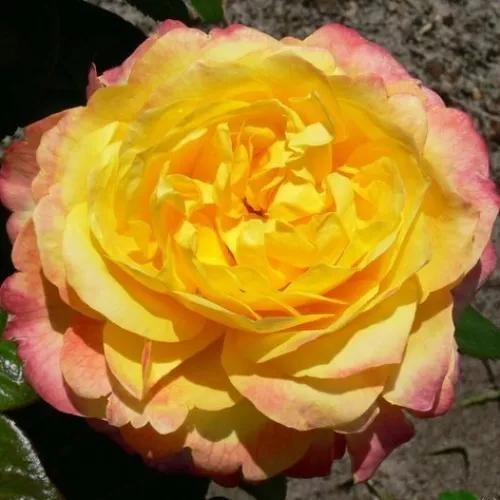
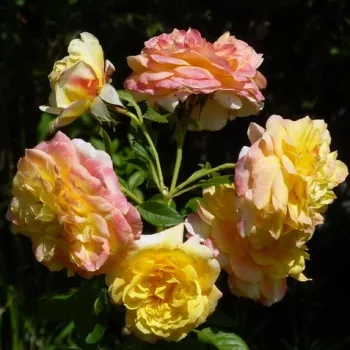
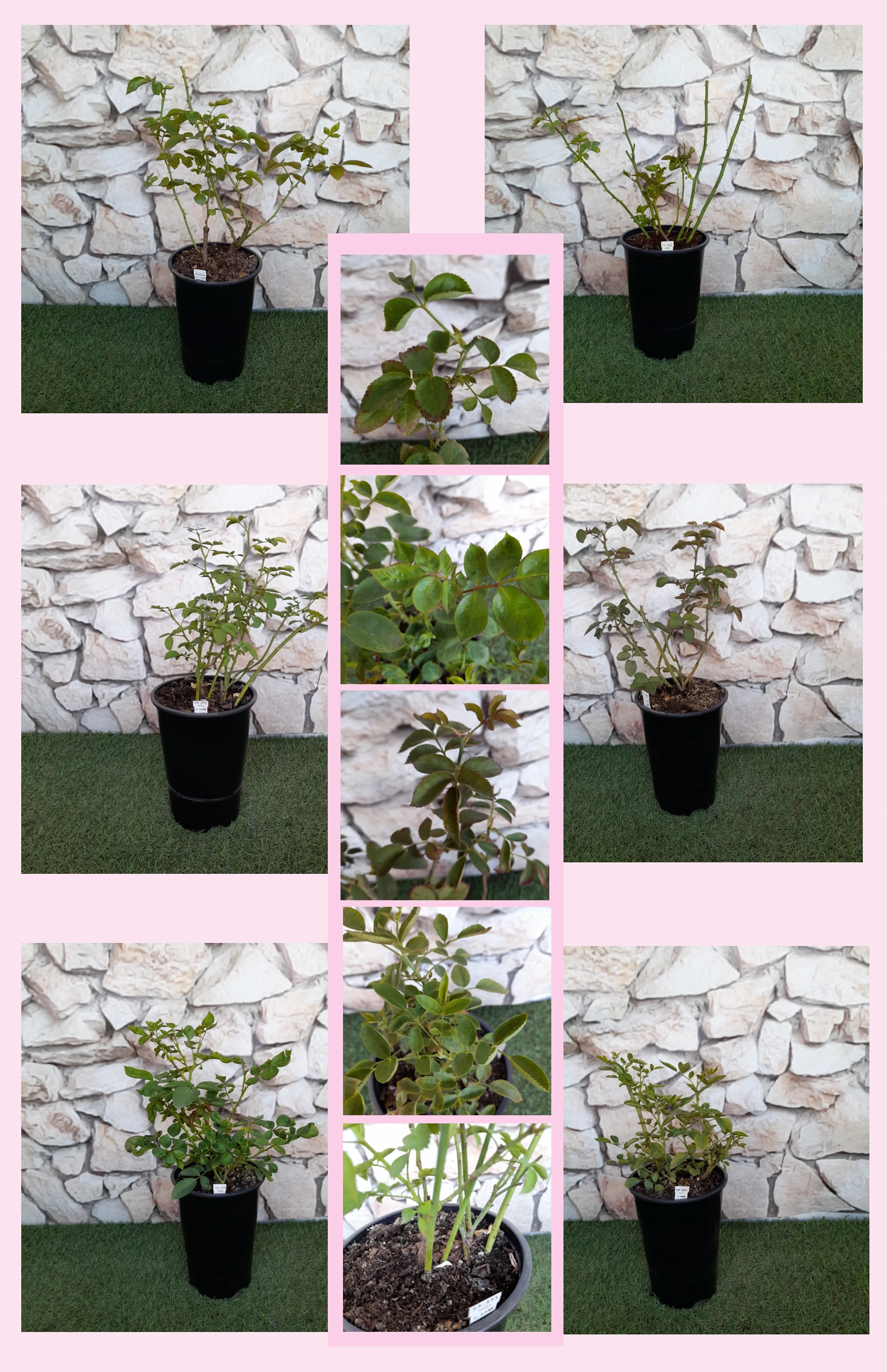
With its glowing yellow-red blooms and stately hybrid tea form, HENRIETTA brings a quietly romantic cosiness to family gardens, evoking afternoon tea under a rose-draped arbour. Upright and refined yet forgiving to care for, it offers reliable flowering on strong, straight stems that cut beautifully for the house. Dense, glossy foliage and modern disease resistance mean less time spraying and more time enjoying your beds, even where summers are damp and fungal issues are common. Own-root planting supports long-term stability, helping plants regenerate if cut back hard and settle securely in breezier plots. Over time, its generous height gives real vertical structure to cottage-style borders and mixed hedges. In large containers of at least 40–50 litres it becomes a colourful terrace focal, while in borders its changing petal shades create a painterly, storybook palette. From first planting to maturity, it rewards patient gardeners as roots, then shoots, then full garden presence gradually unfold.
Usage options
| Target area |
Reasoning |
| Feature rose in a small to medium front garden |
The upright, head-high habit forms a clear vertical axis, giving immediate structure without overwhelming a modest plot. Its glowing bicolour blooms punctuate paths and drives and stay tidy with occasional deadheading, ideal for a low-fuss welcome for the busy homeowner. |
| Romantic cottage-style border with perennials |
Season-long repeat flowering threads warm yellow, red and salmon tones through cottage perennials, so the border never feels bare between flushes. Consistent production of buds on new growth keeps the planting lively and colourful for the cottage-garden lover. |
| Cutting patch for home arrangements |
High-centred, exhibition-type blooms on long, straight stems make elegant vase material with little shaping required. The generous petal count and clear colour contrast read beautifully indoors, rewarding even basic cutting techniques for the home flower arranger. |
| Low-input family garden rose bed |
Modern breeding and good resistance to black spot, powdery mildew and rust allow you to limit spraying and complex routines. Healthy, glossy foliage keeps its looks even in humid, disease-prone summers, suiting the time-pressed family gardener. |
| Long-lived structural planting in a mixed hedge |
Being supplied on its own roots, HENRIETTA can regenerate strongly if cut back hard after damage, supporting a long service life. Over the years it anchors the planting with woody permanence and reliable form, appealing to the forward-planning property owner. |
| Raised beds and heavier-soil borders |
The tall, upright framework rises well above edging plants, giving depth where borders are constrained by heavier soils best handled in raised beds and with improved drainage. This helps you still achieve vertical interest as a climate-aware gardener. |
| Large terrace container or courtyard pot |
In a substantial container of at least 40–50 litres, the plant’s height and dense foliage create an instant focal column of colour. Steady flowering and neat outline mean the display remains refined rather than unruly for the urban balcony owner. |
| Colour-theming around warm, changeable tones |
The petals move from golden-yellow and crimson to buttery and salmon-pink hues, lending a dynamic yet harmonious colour story that ties together mixed plantings. This shifting palette is ideal for gardeners who enjoy subtle, evolving schemes as an aspiring colour stylist. |
Styling ideas
- Country-porch welcome – Plant HENRIETTA either side of a front path with lavender and low box, using its tall, formal blooms as a warm greeting – suited to homeowners who like a quietly traditional entrance.
- Kitchen-border glow – Thread it through a kitchen garden with herbs, fennel and marigolds so its changing yellow-red flowers echo terracotta pots and brick – ideal for cooks who pick both veg and flowers.
- Tea-terrace focal – Position one plant in a 50-litre pot beside a bistro set, underplanting with trailing thyme and violas – perfect for small patios where you linger over afternoon tea.
- Storybook hedge – Combine several plants at hedge spacing with catmint and hardy geraniums to form a soft, romantic screen – appealing to families wanting privacy without losing cottage charm.
- Sunset colour drift – Use HENRIETTA as a repeating accent among crocosmia, ornamental grasses and pale pink roses to create a warm, sunset-toned border – for gardeners drawn to painterly, blended schemes.
Technical cultivar profile
| Parameter |
Data |
| Name and registration |
Hybrid tea rose, registered as MACtexa, marketed as HENRIETTA – yellow-red hybrid tea rose – McGredy; exhibition name Henrietta in the hybrid tea cut-flower category. |
| Origin and breeding |
Bred by Samuel D. McGredy IV, McGredy Roses International, Auckland; ‘Heart of Gold’ × ‘Gold Medal’; introduced and registered in 1991 through McGredy Roses International. |
| Growth and structural characteristics |
Strong, upright growth reaching approximately 150–200 cm in height with a 90–120 cm spread; moderately thorny stems and dense, dark green, glossy foliage forming a tall, bushy presence. |
| Flower morphology |
Very double, large, high-centred hybrid tea blooms with more than 40 petals; typically borne singly on stems; repeat-flowering with a particularly abundant second flush in suitable conditions. |
| Colour data and phenology |
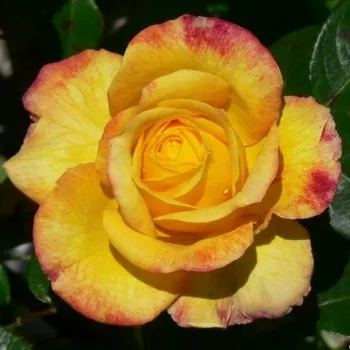
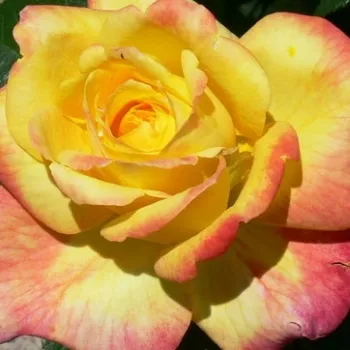
Yellow-red bicolour; ruby-crimson buds with golden-yellow base, opening to lemon-yellow centres with vivid scarlet to red margins; colours soften to buttery yellow and salmon-pink before fading. |
| Fragrance and aroma |
Classed as an ornamental exhibition-type rose with no noticeable fragrance; very double flowers conceal stamens, so scent and pollinator appeal are both low compared with simpler-flowered varieties. |
| Hip characteristics |
Hip set is limited because of the very double flowers; where present, hips are small, ellipsoidal, around 8–12 mm in diameter, with an orange-red colour that offers modest late-season interest. |
| Resistance and winter hardiness |
Rated resistant to common rose diseases including black spot, powdery mildew and rust; hardy to approximately −21 to −18 °C, corresponding to RHS H7, Swedish zone 3 and USDA zone 6b conditions. |
| Horticultural recommendations |
Best in full sun with fertile, well-drained soil; spacing 60–110 cm depending on use, with 2.0–2.3 plants/m² for massing; suits beds, groups, specimen roles and cutting, with generally low maintenance needs. |
HENRIETTA Hybrid tea rose MACtexa offers tall, structural form, generous repeat flowering and reliable disease resistance on a durable own-root framework, making it a thoughtful long-term choice for those planning a gently romantic garden.