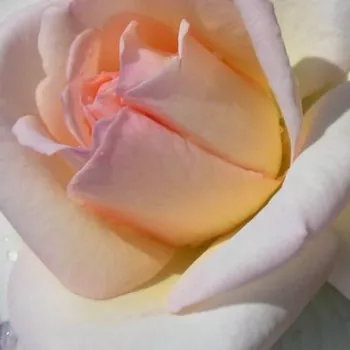
HARDWELL – peach-coloured climbing rose – Harkness
Let Penny Lane charm your garden with its storybook climbing display: long, pearl‑draped canes carrying generous clusters of peach blooms that repeat gently through the summer. The strong, fruity fragrance suits a seating area, pergola or arch where you can sit in comfort, even in gardens that often face brisk winds and rainfall from more exposed locations. Glossy, dark foliage and award‑winning garden performance make this an easy, long‑term choice, while the own‑root character supports steady renewal and dependable flowering over the years.
Usage options
| Target area |
Reasoning |
| Arch over a garden path |
Vigorous yet manageable canes reach around 3–4 m, giving enough height to clothe an arch without overwhelming a typical family path. Repeat waves of peach-cream flowers and strong scent frame everyday comings and goings for romantic‑gardeners. |
| Pergola for afternoon seating |
The variety’s remontant habit gives several flushes, with clustered, very double blooms and a fruity rose scent that suits a seating area used for tea or reading. Dense foliage offers dappled shade, reinforcing a sense of privacy for cosy‑gardeners. |
| House wall or sunny fence |
Strong growth and good heat tolerance allow it to cover a south- or west-facing wall, while its disease resistance keeps foliage attractive with modest care. Own-root plants anchor well in typical British soils, supporting long-term structure for busy‑homeowners. |
| Traditional cottage-style border backdrop |
The soft peach to champagne-white colour range blends gently with pastel perennials and hedging. Clusters of large, double flowers give a classic cottage look without harsh colour clashes, ideal behind herbs and kitchen-garden edges for cottage‑lovers. |
| Feature rose in partial shade |
This rose tolerates partial shade, so it suits east-facing aspects or lightly shaded fences where some climbers struggle. Reliable flowering and glossy foliage maintain interest even on cooler, less sunny plots used by small‑gardeners. |
| Large container on terrace or balcony |
In a 40–50 litre or larger container with support, its moderate maintenance needs and self-cleaning tendency make it practical for terraces. Fragrant, double blooms close to seating height give impact for those gardening on hard surfaces, appealing to urban‑gardeners. |
| Family-friendly screen or divider |
Planted at the recommended distances, it can form a romantic, flowering screen along a boundary or between garden zones. The own-root form helps it recover from accidental damage and provides long service life, reassuring for family‑buyers. |
| Low-intervention long-term focal point |
Award recognition for garden performance, together with good winter hardiness and balanced disease resistance, makes it a dependable choice where you want charm without constant fuss, even in gardens where strong winds and frequent rain are the norm for time‑pressed‑owners. |
Styling ideas
- PERGOLA SALON – Train along a timber pergola with a small table beneath, pairing with lavender and thyme in the border for scent-layered afternoon tea – ideal for scent-focused homeowners.
- PENNY ARCH – Create a rose tunnel over a path, underplanting with lady’s mantle and catmint for soft froth at ankle height – for romantically inclined family gardeners.
- COTTAGE FENCE – Weave along a picket fence with foxgloves, delphiniums and climbing hydrangea on the shadier side – for lovers of classic English cottage gardens.
- COURTYARD COLUMN – Grow in a 50 litre pot around an obelisk, combining with box balls and Japanese sedge for structure in small paved spaces – suited to urban balcony and patio users.
- KITCHEN GARDEN GATE – Frame the entrance to a productive plot, mixing with herbs and old-style perennials to soften the transition from lawn to beds – perfect for kitchen-garden enthusiasts.
Technical cultivar profile
| Parameter |
Data |
| Name and registration |
Large-flowered climbing rose, registered as HARdwell, marketed as Hardwell Climbing rose HARdwell, exhibited as Penny Lane in the exhibition large-flowered climber category. |
| Origin and breeding |
Bred by Robert B. Harkness (R. Harkness & Co. Ltd.), United Kingdom, from ‘Anne Harkness’ × ‘New Dawn’; registered 1997 and introduced commercially in 1998. |
| Awards and recognition |
RHS Rose of the Year 1998, RHS Award of Garden Merit 2001, Geneva Rose Trials Gold Medal 2001, and UK Gold Standard Rose Trials Gold Standard rating 2008. |
| Growth and structural characteristics |
Climbing habit with dense dark green, glossy foliage; typical height 280–420 cm with a 120–200 cm spread; moderately thorny shoots and moderate self-cleaning of spent blooms. |
| Flower morphology |
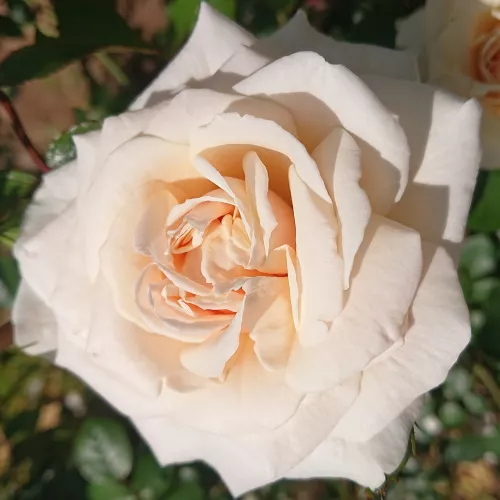
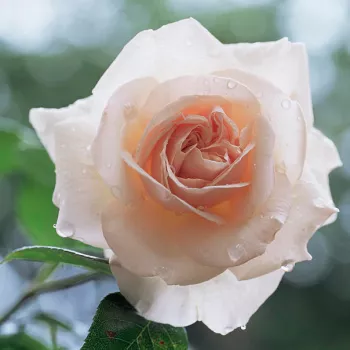
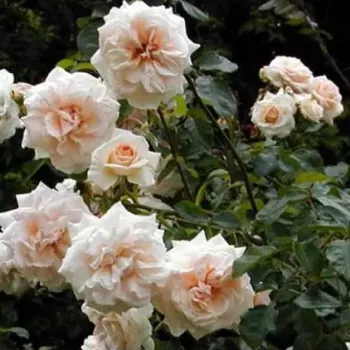
Large, very double, cup-shaped blooms with over 40 petals, usually borne in clusters of 3–5 per stem; remontant with a lighter second flush later in the season. |
| Colour data and phenology |
Delicate peach with creamy base; buds honey-coloured with pink tinge, opening to peach-cream centres that fade towards champagne-white; colour holds well but fades faster in strong warmth. |
| Fragrance and aroma |
Noted for a powerful, distinctive rose scent with sweet, fruity character; heavily double blooms give mainly ornamental value while still offering moderate pollinator appeal in bloom. |
| Hip characteristics |
Produces ornamental orange-red ellipsoidal hips, approximately 8–12 mm across, appearing moderately abundantly after flowering and adding late-season interest in suitable conditions. |
| Resistance and winter hardiness |
Hardy to about −26 to −23 °C (RHS H7, USDA 5b, Swedish Zone 4); good heat and moderate drought tolerance once established; resistant to powdery mildew, moderate against black spot, rust resistant. |
| Horticultural recommendations |
Best on walls, fences, arches or pergolas; also suitable as a cut flower or in large containers; plant 140–225 cm apart depending on use, allowing support and light pruning to shape. |
HARDWELL – peach-coloured climbing rose – Harkness combines romantic, fragrant flowering with award-backed reliability and the resilience of an own-root climber, making it a thoughtful long-term choice for your garden.