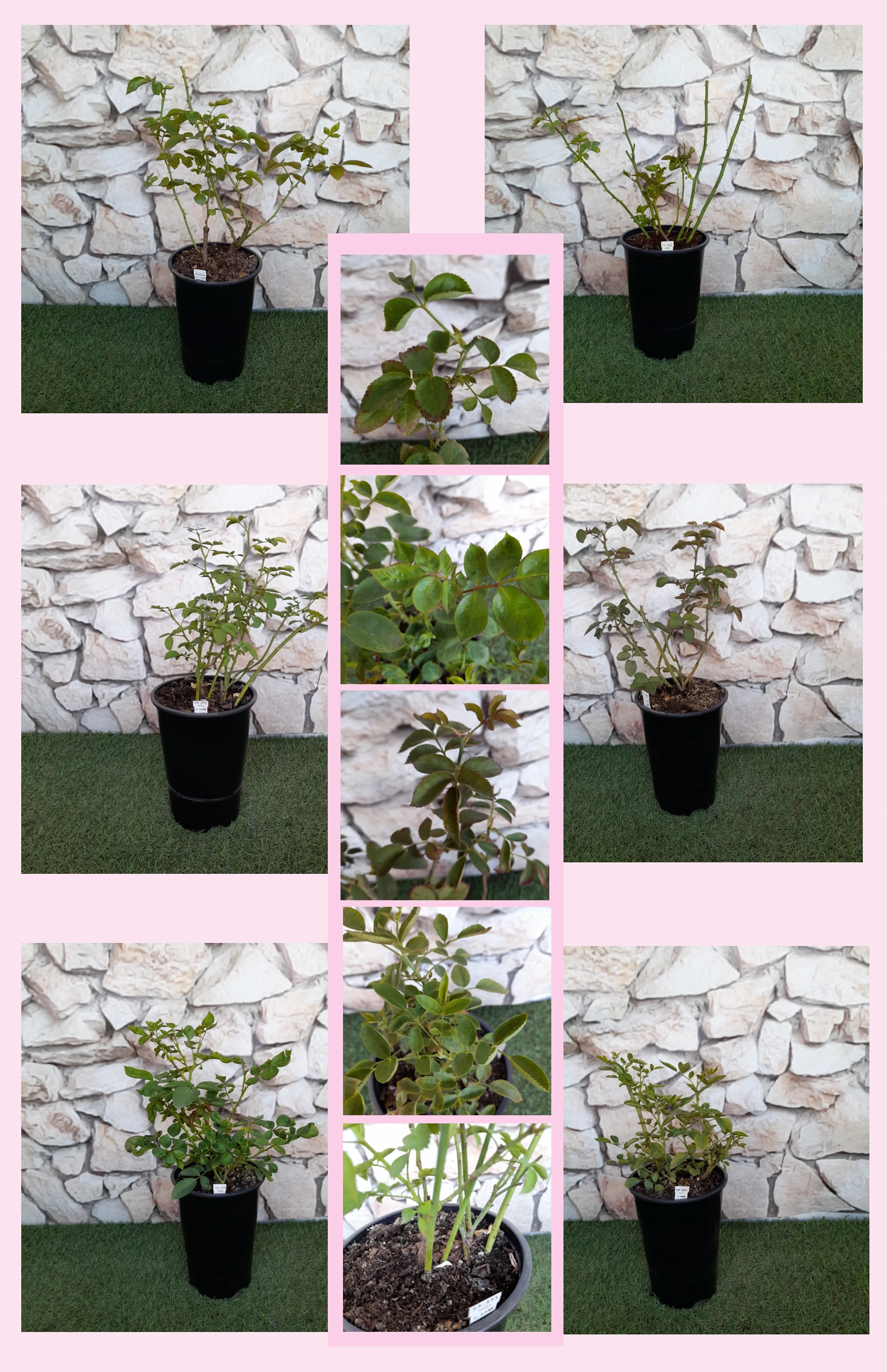
GUINÉE – dark red climbing rose – Mallerin & Meilland
Plant Guinée when you want a storybook archway of roses that feels like afternoon tea in an old walled garden rather than a demanding project. This own-root climber is bred for endurance, building strong framework wood that carries its velvety, deeply romantic blooms for many years with only modest care. Its fragrance is rich, spicy and enveloping, ideal beside a terrace, door or favourite bench. In typical British conditions it copes reliably with damp summers and brisk coastal breezes, as long as the soil is reasonably drained and not left waterlogged. The glossy dark foliage and healthy constitution give an impression of constant luxury with little intervention beyond the occasional tidy. Own-root growth quietly renews older canes over time, helping the rose to keep its shape, colour and flower quality. Expect a gentle development arc – first the roots, then taller shoots, and by the third year a full cloaked effect of bloom and leaf – resulting in a long-lived, romantic presence in your family garden with reassuringly low maintenance.
Usage options
| Target area | Reasoning |
|---|
| House wall or sunny fence in a family garden |
Ideal where you want a tall, permanent feature without complex pruning: the long, flexible canes fan out easily on wires, and own-root vigour means gaps fill back in if an older stem fails. Suits those who want dependable structure with minimal tasks, especially beginners. |
| Romantic archway or arbour over a seating area |
The strong scent and velvety, dark red flowers create a cocooning, almost theatrical feel over a bench or tea corner. Once trained, it needs mainly tying-in and light shaping, and own-root resilience supports a long service life. Perfect for those seeking a cosy retreat, particularly couples. |
| Pergola or walkway in a cottage-style border |
This climber’s height and repeat flowering give a long season of colour above cottage perennials, while its disease resistance keeps foliage presentable without frequent spraying. Own-root stability helps it anchor a mixed border over many seasons. Well-suited to relaxed borders for families. |
| Feature rose in slightly shaded side garden |
Performs respectably in partial shade, so you can use it where sun is limited but not absent, such as an east-facing side path. The rich colour holds particularly well out of harsh midday sun, and the plant continues to flower and bulk up steadily. A good choice for space-constrained town-dwellers. |
| Large container on patio, terrace or courtyard |
In a generous 40–50 litre pot with a stout support, this rose gives vertical drama and scent where borders are scarce. Own-root growth copes better with inevitable container stresses and makes long-term renewal by pruning simpler. Recommended for busy but style-conscious urbanites. |
| Cut flower production for home arrangements |
The medium-sized, double, cup-shaped blooms with velvety petals and full-bodied fragrance are excellent for vases, bringing classic rose character indoors. Strong stems from a mature framework provide regular cutting material without weakening the plant. Ideal for creative home florists. |
| Classic cottage-garden backdrop with kitchen plot |
Forming a tall, scented backdrop behind herbs, vegetables and cottage perennials, this rose reinforces a traditional kitchen-garden feel. Its own-root longevity suits gardens planned for decades rather than seasons, with low day-to-day demands. Attractive to long-term-minded homeowners. |
| Exposed garden where weather can be unsettled |
The glossy foliage and robust growth handle blustery, damp spells well, making it reliable in mixed British conditions, provided the soil drains reasonably and is not left saturated after heavy rain and wind. A reassuring option for climate-wary gardeners. |
Styling ideas
- Moonlit-Arbour – Train Guinée over a simple wooden arch, underplant with Alchemilla mollis and white campanulas to catch evening light; for those who enjoy quiet dusk moments.
- Kitchen-Gate – Let it climb an old gate by the vegetable patch, with Verbena hastata ‘Pink Spires’ and chives echoing the colour; for cottage-style kitchen gardeners.
- Cloaked-Wall – Use along a brick wall, spaced to meet in the middle, with foxgloves and hardy geraniums at the base; for families wanting an easy romantic backdrop.
- Courtyard-Column – Grow in a 50-litre pot around a metal obelisk, softening the base with thyme and dwarf lavenders; for small urban courtyards needing vertical drama.
- Storybook-Seat – Frame a bench beneath a timber pergola, combining Guinée with pale irises and lady’s mantle; for readers and tea-drinkers who like lingering outdoors.
Technical cultivar profile
| Attribute | Data |
|---|
| Name and registration |
GUINÉE – dark red climbing rose; commercial climbing rose in the Rambling rose collection, also traded as Mallerin & Meilland; American Rose Society exhibition name Guinée. |
| Origin and breeding |
Hybrid climber from France, bred by Charles Mallerin and Francis Meilland, with complex parentage combining Souvenir de Claudius Denoyel, Ami Quinard, Rome Glory, Congo and Tassin. |
| Awards and recognition |
Recognised historically with a Certificate of Merit and Fragrance Award at Lyon in 1938, and protected by US Plant Patent PP 933 granted in 1950, underlining its lasting merit. |
| Growth and structural characteristics |
Strong, climbing habit reaching about 3,75–6,25 m high and 2,25–3,75 m wide, with moderately dense, glossy dark green foliage and densely thorned canes needing firm support structures. |
| Flower morphology |
Medium, double, cup-shaped blooms with 26–39 petals, usually borne singly; remontant with a plentiful second flush, though spent blooms often need manual removal due to weak self-cleaning. |
| Colour data and phenology |
Rich, velvety deep dark red with blackish shadings, ARS dark red, RHS 187A–187B; buds nearly black-red, ageing through burgundy, with some browning in strong sun but good colour in moderate light. |
| Fragrance and aroma |
Very strong, garden-filling perfume with a full-bodied, spicy, fruity character; ideal where scent is a priority, such as near seating, entrances or paths that are used frequently. |
| Hip characteristics |
Occasional ovoid, red hips about 15–25 mm across, egg-shaped and decorative in autumn, though not produced in heavy quantities due to the double flower form. |
| Resistance and winter hardiness |
Classed as resistant to powdery mildew, black spot and rust; reliably hardy to around –21 to –18 °C (RHS H7, roughly USDA 6b), suiting most temperate British garden situations. |
| Horticultural recommendations |
Best on supports such as walls, fences, pergolas and arches; spacing 1,8–3,3 m depending on use, with mass-planting densities around 0,23–0,26 plants/m²; prefers moderately moist, well-drained soil. |
GUINÉE offers velvety dark red flowers, powerful scent and reliable health on a long-lived own-root framework; consider it if you want a romantic, enduring climber that asks for only modest attention.