DIAMOND GRAY – light brown hybrid tea rose – Teranishi
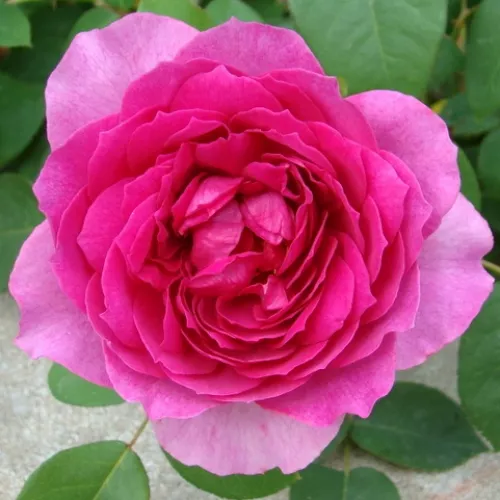
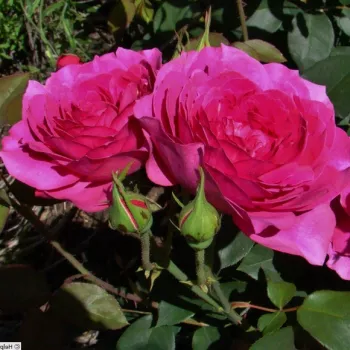
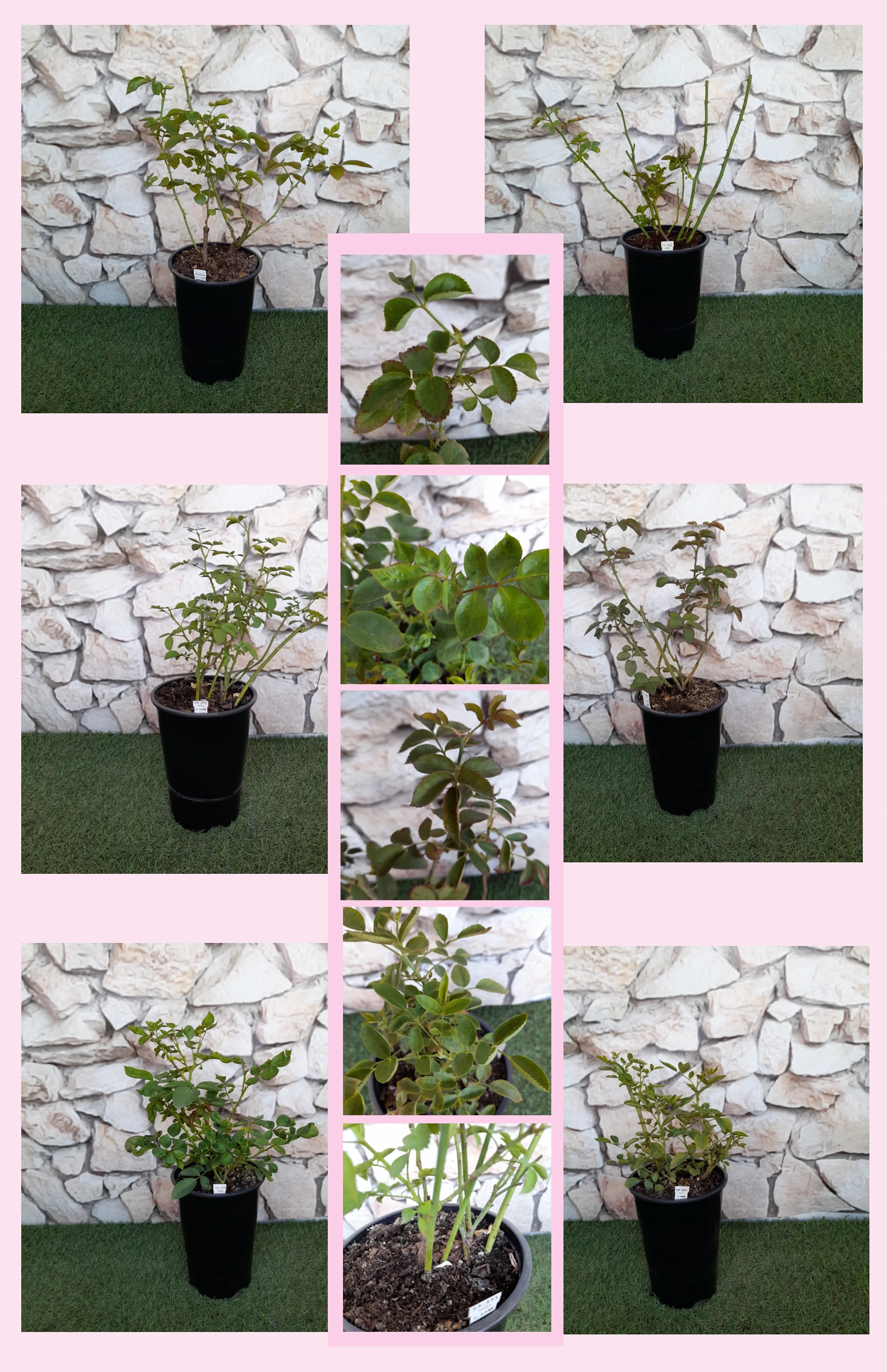
Step into a quietly romantic corner of the garden with DIAMOND GRAY, where its pale, grey‑tinged mocha blooms bring a soft, storybook atmosphere to cottage borders and informal family plots. This hybrid tea rose offers a reassuring balance of moderate care needs and dependable health, showing good tolerance of heat and sun while coping well even in breezier, wetter sites along exposed coasts, providing it is planted with sensible soil drainage. Its remontant, cluster‑flowering habit gives you recurring flushes of pastel taupe‑brown flowers from early summer onwards, with petals that fade gently to straw‑beige for a distinctive, muted palette alongside kitchen‑garden herbs and hedging. Grown on its own roots in a 2‑litre container, the plant is naturally long‑lived, steady and capable of regenerating from lower shoots, so its ornamental settles and strengthens over time. In the first year the focus is mainly on root development, by the second year you will see fuller shoots and framework, and by the third season DIAMOND GRAY typically displays its complete, mature garden character. Semi‑double, softly cupped flowers show their stamens clearly and draw in bees on warm days, adding a gentle wildlife presence to your afternoon‑tea arbour. With moderate height and spread, it fits comfortably into small and medium family gardens, either as a quietly striking specimen or woven into a mixed cottage border.
Usage options
| Target area |
Reasoning |
| Feature rose near a seating area or arbour |
The unusual light mocha to taupe‑brown flowers create an intimate, conversational focal point beside benches or arbours, especially where you enjoy afternoon tea, and the semi‑double form keeps the look light rather than overpowering for romantic gardeners. |
| Hybrid tea in a cottage-style mixed border |
Its moderate 80–120 cm height and spreading habit allow easy weaving between perennials and low hedging, extending flowering interest without dominating the border, while own‑root stability helps it settle reliably among existing plantings for busy homeowners. |
| Cutting patch for informal arrangements |
The high‑centred, exhibition‑type blooms in muted beige‑brown tones are ideal for sophisticated home bouquets, and regular cutting encourages fresh flushes, so a small cutting row can supply vases over a long season for creative flower lovers. |
| Bee‑friendly family garden corner |
Semi‑double flowers with clearly visible stamens offer moderate nectar access for bees, bringing gentle pollinator activity close to play areas or kitchen gardens without an overwhelming swarm effect, supporting low‑key biodiversity for nature‑minded families. |
| Planting in large containers on patios |
In a 40–50 litre or larger container with good compost and drainage, DIAMOND GRAY forms a stable, long‑term patio feature; the restrained height suits terraces, and own‑root growth means it can be rejuvenated with light pruning over many years for courtyard dwellers. |
| Borders in exposed or coastal gardens |
This variety copes well with sun and wind, and with thoughtful soil preparation it remains dependable even where weather can be blustery and damp, supporting family gardens that experience frequent rain and strong onshore breezes for coastal owners. |
| Long‑term structural planting in small gardens |
The 2‑litre own‑root plant establishes as a durable framework rose, gradually building a balanced shape that responds well to flexible pruning, so it can be refreshed rather than replaced, offering reliable value over many seasons for practical planners. |
| Informal front‑garden specimen or pair |
Planted singly or as a symmetrical pair at 110 cm spacing, the soft grey‑brown blooms provide an elegant yet understated welcome, complementing brick, stone and painted facades without clashing with existing colour schemes for style‑conscious residents. |
Styling ideas
- Mocha‑cream border – Combine DIAMOND GRAY with lamb’s ear, ivory foxgloves and pale grasses for a smoky neutral ribbon along a path – ideal for design‑aware homeowners seeking subtle, harmonious tones.
- Kitchen‑garden edge – Thread plants along the outer line of raised vegetable beds, where the muted blooms soften timber edges and attract bees that also visit crops – perfect for cottage‑style kitchen gardeners.
- Front‑door focus – Place a matched pair in large clay pots (at least 40–50 litres) flanking steps or a porch, where the unusual colour enhances brick and stone – suited to urban and suburban entrance makeovers.
- Arbour retreat – Position DIAMOND GRAY near a simple wooden bench under a light metal arch, backed with soft green shrubs, to frame an afternoon‑tea corner – appealing to romantically inclined garden improvers.
- Collector’s vignette – Group with a few other rare‑toned roses in a small bed, underplanting with silver foliage and white feverfew to highlight the grey‑brown petals – for enthusiasts who enjoy distinctive cultivars.
Technical cultivar profile
| Characteristic |
Data |
| Name and registration |
Hybrid tea rose marketed as DIAMOND GRAY, an exhibition‑type garden and cutting rose; American Rose Society approved exhibition name Diamond Gray; collection and trade use as hybrid tea rose. |
| Origin and breeding |
Bred by Teranishi Kikuo at Itami Rose Nursery in Japan; breeding completed in 2003, introduced to the market from 2004; parentage remains unknown, selection focused on unique grey‑tinged brown colouring. |
| Growth and structural characteristics |
Medium‑sized bush, around 80–120 cm in both height and spread, with a spreading habit, moderately dense mid‑green foliage and moderate prickliness; spent blooms generally need manual removal as self‑cleaning is weak. |
| Flower morphology |
Semi‑double to lightly filled hybrid tea blooms with 13–25 petals, large flower size, high‑centred, pointed buds and mainly cluster‑flowered stems; remontant, with a strong second flush maintaining interest through the season. |
| Colour data and phenology |
Closed buds appear sandy grey‑brown, opening to light mocha with ashy tones; full bloom shows pastel taupe‑brown with a silvery grey veil, then fading towards pale beige‑brown or straw, particularly faster under intense sunlight. |
| Fragrance and aroma |
Fragrance is mild and restrained rather than dominant, allowing use close to seating or dining spaces; scent character is not strongly documented, so the variety is chosen mainly for colour and form rather than perfume. |
| Hip characteristics |
Produces orange‑red, ellipsoidal hips in moderate quantities after flowering; hips around 12–18 mm in diameter add quiet autumn interest where not deadheaded, though many gardeners will trim spent blooms for repeat flowers. |
| Resistance and winter hardiness |
Hardy to approximately −21 to −18 °C, corresponding to RHS H7 and USDA zone 6b; good tolerance of summer heat if watered in drought; resistant to powdery mildew and black spot, with moderate susceptibility to rust. |
| Horticultural recommendations |
Best in full sun with fertile, well‑drained soil; medium maintenance, including occasional pest control and deadheading; spacing from 60–110 cm depending on use, at roughly 2.0–2.4 plants per m² for mass or hedge planting. |
DIAMOND GRAY provides unusual mocha‑grey blooms, reliable repeat flowering and durable, own‑root growth that responds well to renewal pruning, making it a thoughtful long‑term choice for atmospheric cottage‑style gardens.