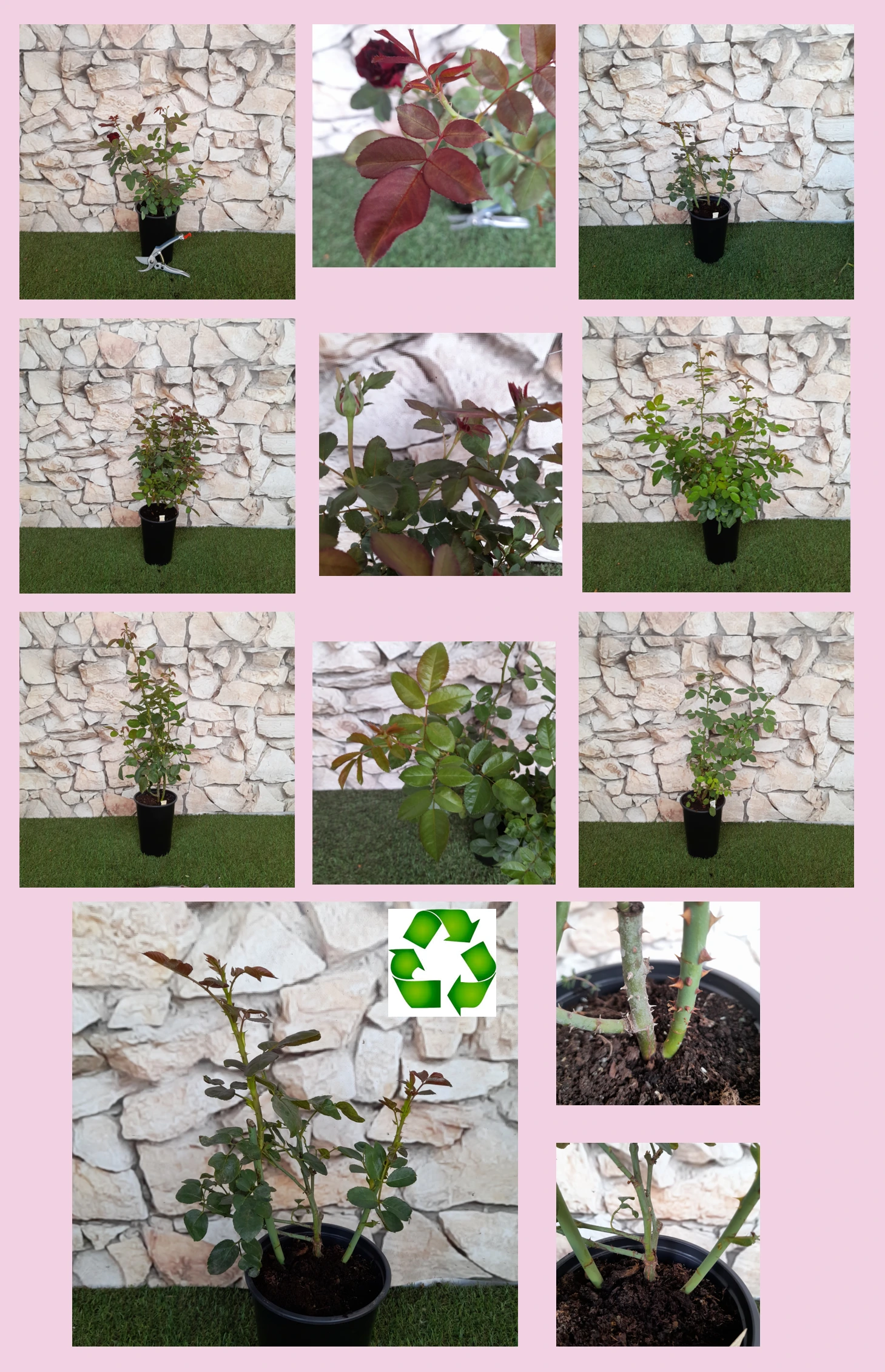
FIRST CLASS™ – red climbing rose – Courtyard® collection
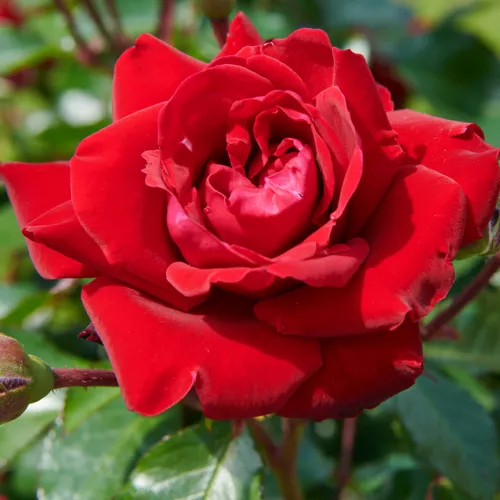
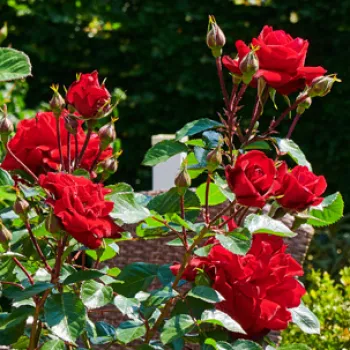
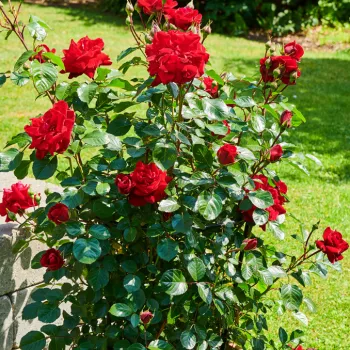
Create a corner of romance in your own garden with FIRST CLASS™, a mid‑red Courtyard® climber that brings a quietly luxurious, “first‑class” feel to pergolas and terraces. Its compact climbing habit fits typical family gardens, while glossy dark foliage and very full blooms give a traditional cottage‑garden charm. This own‑root plant establishes securely and anchors well, even where strong breezes and showers test structures, providing stable cover over time. Remontant flowering ensures generous flushes after the main summer display, so your arbour or pillar keeps its colour long into the season with minimal deadheading thanks to good self‑cleaning. In containers of at least 40–50 litres it offers vertical impact on patios and balconies, and careful planting into improved heavy soil supports dependable growth. Given a sunny spot, modest care, and sensible watering in dry spells, this climber rewards you with a long‑lived, easy‑to‑manage feature, increasingly impressive as it develops from a young plant into a mature garden classic.
Usage options
| Target area | Reasoning |
|---|
| Pergola over a seating area |
Ideal where you want a romantic arbour for afternoon tea, as its compact climbing habit comfortably clothes a small pergola without overwhelming the structure. Regular repeat flowering and good self‑cleaning keep the seating area tidy and elegant with only light seasonal pruning required, while its own‑root form supports a long, steady life, quietly maturing year by year for beginners. |
| Pillars, arches and entrance features |
Neat vertical growth and a height of around 100–200 cm make it well suited to flanking a gate, arch or doorway, creating a welcoming, traditional cottage‑style entrance. The clusters of mid‑red, very full blooms give a storybook look without the need for intricate training, and own‑root resilience lets the plant recover well if a stem is lost, helping maintain a balanced framework for homeowners. |
| Small to medium family gardens |
This rose is sized for typical British plots, giving climbing interest without needing a large country estate. Recommended spacings allow you to use it as a single specimen or repeat it along a boundary, and its moderate maintenance demands fit busy households. As an own‑root plant, it builds a durable structure, remaining an attractive presence through many seasons for families. |
| Containers on terraces and balconies |
In a 40–50 litre or larger container with good drainage, it forms a vertical accent for terraces, roof gardens and courtyards, bringing colour up to eye level. Its moderate height keeps it manageable in pots, while the own‑root system supports regeneration and stable performance, provided watering is consistent, making it practical for urban‑gardeners. |
| Mixed cottage borders with kitchen‑garden feel |
The saturated mid‑red flowers and dark, glossy foliage combine easily with herbs, perennials and low hedging, helping you create an English countryside, “girly” cottage border around veg beds or paths. Repeat bloom ensures colour between productive rows, while an own‑root base gives long‑term continuity without frequent replacement, suiting relaxed, traditional layouts for cottage‑style‑lovers. |
| Low trellis and fence covering |
With a spread of about 50–120 cm, this climber can be guided along short trellis runs or low fences, softening boundaries and providing privacy without becoming unmanageable. Its good colour retention means the red stays attractive rather than quickly washing out, and the structured framework that develops from a healthy own‑root system offers lasting, easy‑to‑prune coverage for busy‑gardeners. |
| Wind‑exposed or showery positions |
Well suited to typical UK weather where breezes and frequent showers can test garden plants, it forms a reasonably sturdy climber that anchors well when tied in, helping flowers and foliage stay presentable. The good self‑cleaning of spent blooms reduces soggy petals in wet spells, and the own‑root plant gradually builds resilience below ground, supporting dependable top growth for coastal‑gardeners. |
| Easy‑care long‑term feature planting |
Chosen as a practical, long‑lived rose: once planted with drainage in mind, root growth in the first year, structural shoot development in the second, and fuller ornamental expression by the third year together create a stable, enduring garden element. Own‑root vigour means fewer worries about suckers and better recovery after pruning, suiting those who prefer simple routines for time‑poor‑owners. |
Styling ideas
- Pergola‑Nook – Train FIRST CLASS™ up each corner of a small wooden pergola, underplanted with lavender and thyme for a scented tea corner – ideal for cottage‑style‑lovers
- Courtyard‑Arch – Use one or two plants on a metal arch over a narrow path, with grey santolina and stonecrop at the base for soft contrast – ideal for small‑garden‑owners
- Kitchen‑Garden‑Frame – Place along low trellis that borders veg beds, weaving stems between canes to frame rows of salad and herbs – ideal for kitchen‑garden‑enthusiasts
- Container‑Column – Grow in a 50‑litre terracotta pot with a slim obelisk, paired with trailing strawberries or verbena to bring height onto patios – ideal for balcony‑and‑terrace‑gardeners
- Entrance‑Companion – Flank a front door with two pillars of FIRST CLASS™, underplanted with soft pinks and catmint for a welcoming, romantic approach – ideal for front‑garden‑stylists
Technical cultivar profile
| Parameter | Data |
|---|
| Name and registration |
FIRST CLASS™ Courtyard® climbing rose, large‑flowered climber group; registered as POUlcy042, commercial type climber for pergolas, pillars, fences and terrace structures. |
| Origin and breeding |
Bred by L. Pernille Olesen and Mogens Nyegaard Olesen, Poulsen Roser A/S, Denmark; seedling × seedling cross, bred 2021, registered 2022, introduced commercially after 2022. |
| Growth and structural characteristics |
Climbing habit to around 100–200 cm high and 50–120 cm wide; moderately thorny canes, moderately dense, dark green glossy foliage; good self‑cleaning of spent flowers. |
| Flower morphology |
Large, very full, cupped blooms with 40+ petals; cluster‑flowered with remontant habit, giving abundant second flush; individual flowers typically 2.75–3.95 inches across. |
| Colour data and phenology |
Saturated mid‑red, RHS 45A inner and outer petals; buds deep velvety red, colour lightens slightly with age but overall retention is good; uniform mid‑red at full bloom. |
| Fragrance and aroma |
Delicately fruity fragrance, but strength is very weak and barely perceptible in normal garden use; primarily chosen for its colour, form and structural impact rather than scent. |
| Hip characteristics |
Occasionally forms very small hips, approximately 0–4 mm in diameter; hips are not a dominant ornamental feature and can generally be disregarded in design planning. |
| Resistance and winter hardiness |
Hardy to around −21 to −18 °C, RHS H7, Swedish zone 3, USDA 6b; moderate tolerance to heat and drought if watered in dry spells; moderate resistance to major fungal diseases. |
| Horticultural recommendations |
Prefers sunny positions; medium maintenance with occasional plant protection; plant 90–180 cm apart depending on use, 1–1.2 plants/m²; suitable for pergolas, trellis, borders and large containers. |
FIRST CLASS™ Courtyard® offers compact climbing height, repeat mid‑red flowering and good self‑cleaning on a durable own‑root framework, making it a refined, dependable choice for enhancing everyday garden spaces you will enjoy for years.