EURIDICE – pink bedding floribunda rose – Kimura
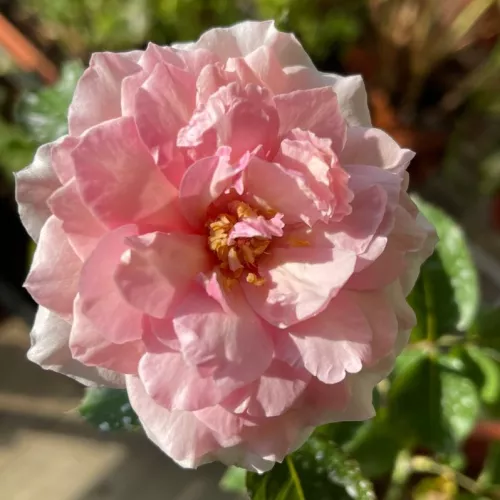
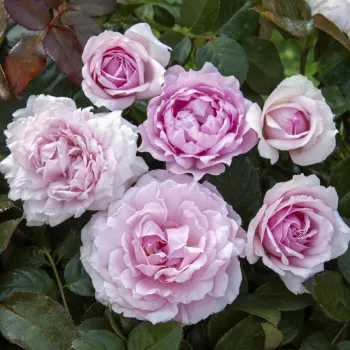
Romantic afternoons in the garden come naturally with EURIDICE, a floribunda whose pastel-pink clusters and cup-shaped blooms create an inviting, storybook ambience from early summer onwards. This upright, moderately dense shrub settles reliably even in exposed gardens, offering reassuring stability where strong winds and rain can sweep in from the coast. Low-maintenance by nature, its good disease resistance and remontant flowering habit keep borders lively with minimal intervention, while the own-root form underpins a long, regenerative life in your beds and borders. In large pots of at least 40–50 litres it forms a neat, upright feature for patios, anchoring cottage-style plantings beside herbs or vegetables. Over time you can watch the natural rhythm unfold – year one concentrating on root-building, year two on fuller shoots, and by year three the plant reveals its full ornamental value in soft, light-catching pink.
Usage options
| Target area | Reasoning |
|---|
| Front flowerbed in a family garden |
EURIDICE’s compact height and upright, moderately dense habit make it ideal for the front or middle of a mixed border, where its softly pastel flowers read clearly without overwhelming the space. Spacing at 50 cm lets each shrub develop fully, giving you a structured edge to lawns or paths that stays tidy with only light annual pruning – a reassuring choice for the time-pressed homeowner. |
| Romantic cottage-style rose border |
The translucent pale pink flowers, which gently lighten at the petal edges, bring a classic cottage-garden feel that pairs beautifully with airy perennials such as baby’s breath or calamint. Their cluster-flowering habit builds a continuous, cloud-like effect, evoking a soft-focus, storybook border without demanding intricate design skills – a natural fit for lovers of cottage style. |
| Low-maintenance family planting |
With generally low maintenance needs and resistance to key leaf diseases such as black spot and rust, EURIDICE supports a clean, healthy look even where humidity and fungal pressure can challenge roses. Basic watering, feeding and one main prune each year are usually sufficient, leaving more time to enjoy the garden together – ideal for busy families. |
| Long-lived structural rose in established beds |
As an own-root plant, EURIDICE does not rely on a graft union, so it ages steadily, regenerates from the base, and maintains its varietal character even after hard pruning or winter damage. This makes it a dependable long-term feature in mature borders, where you want roses to settle and improve rather than need frequent replacement – reassuring for the investment-minded buyer. |
| Container and patio planting (large pots) |
The upright, bushy form and moderate spread lend themselves well to generous containers of at least 40–50 litres, where the plant has enough soil to root deeply and remain stable. In such pots EURIDICE becomes a romantic focal point near seating, giving you close-up access to its pastel blooms and strong sweet, fruity scent – particularly rewarding for balcony and terrace gardeners. |
| Sunny, heat-exposed positions |
Good heat tolerance allows EURIDICE to cope with sunnier, warmer aspects, including sheltered courtyards or south-facing beds that can challenge more sensitive varieties. While regular watering is still important, you can rely on its foliage and flowers to remain presentable through typical summer warm spells – an asset for those tending sun-drenched plots. |
| Informal rose hedge or boundary |
Planted at around 40 cm centres, EURIDICE forms a low, gently upright hedge that defines paths, vegetable plots or front boundaries with a soft pink line of colour. Its sparse prickles make everyday access and child-friendly use easier than with very thorny roses, while the repeating bloom keeps the hedge interesting across the season – well suited to family gardens. |
| Traditional mixed kitchen and cutting garden |
The medium-sized, full, cup-shaped blooms look at home among herbs and vegetables, and also cut well for small jugs indoors, extending the pleasure of their strong, sweet, fruity rose scent. Robust, healthy growth helps the plants blend into productive areas where airflow and soil can be challenging, bringing ornamental charm where wind and rain off the coast can be frequent – a delightful option for rural gardeners. |
Styling ideas
- COTTAGE-EDGE – line a curving path with EURIDICE at 50 cm intervals, underplanting with low calamint for a soft pink-and-lilac froth – for those who want a romantic, storybook approachable border.
- TEA-CORNER – place one or two large-potted EURIDICE near a small bistro set, adding lavender in neighbouring tubs to echo the scent and colour – for urban owners creating a cosy afternoon-tea nook.
- PASTEL-BED – combine EURIDICE with baby’s breath and pale coneflowers to build a pastel “cloud” bed that looks generous without close clipping – for families seeking easy weekend gardening.
- KITCHEN-MIX – weave plants into a vegetable plot, marking the ends of rows, where their tidy, upright form and gentle fragrance frame crops – for home growers who like a traditional kitchen garden feel.
- SOFT-HEDGE – create a low, informal hedge along a front boundary, mixing in white perennials for lightness, keeping pruning simple once a year – for homeowners wanting privacy without a hard barrier.
Technical cultivar profile
| Property | Data |
|---|
| Name and registration |
Floribunda bed rose marketed as EURIDICE from the Rosa del Giappone collection; registered as KIMcoeur and classed as a floribunda exhibition bush for flowerbed use. |
| Origin and breeding |
Japanese floribunda bred by Takunori Kimura for Rosa Orientis, with breeding completed in 2016; parentage not recorded, but selected for ornamental value and garden performance. |
| Growth and structural characteristics |
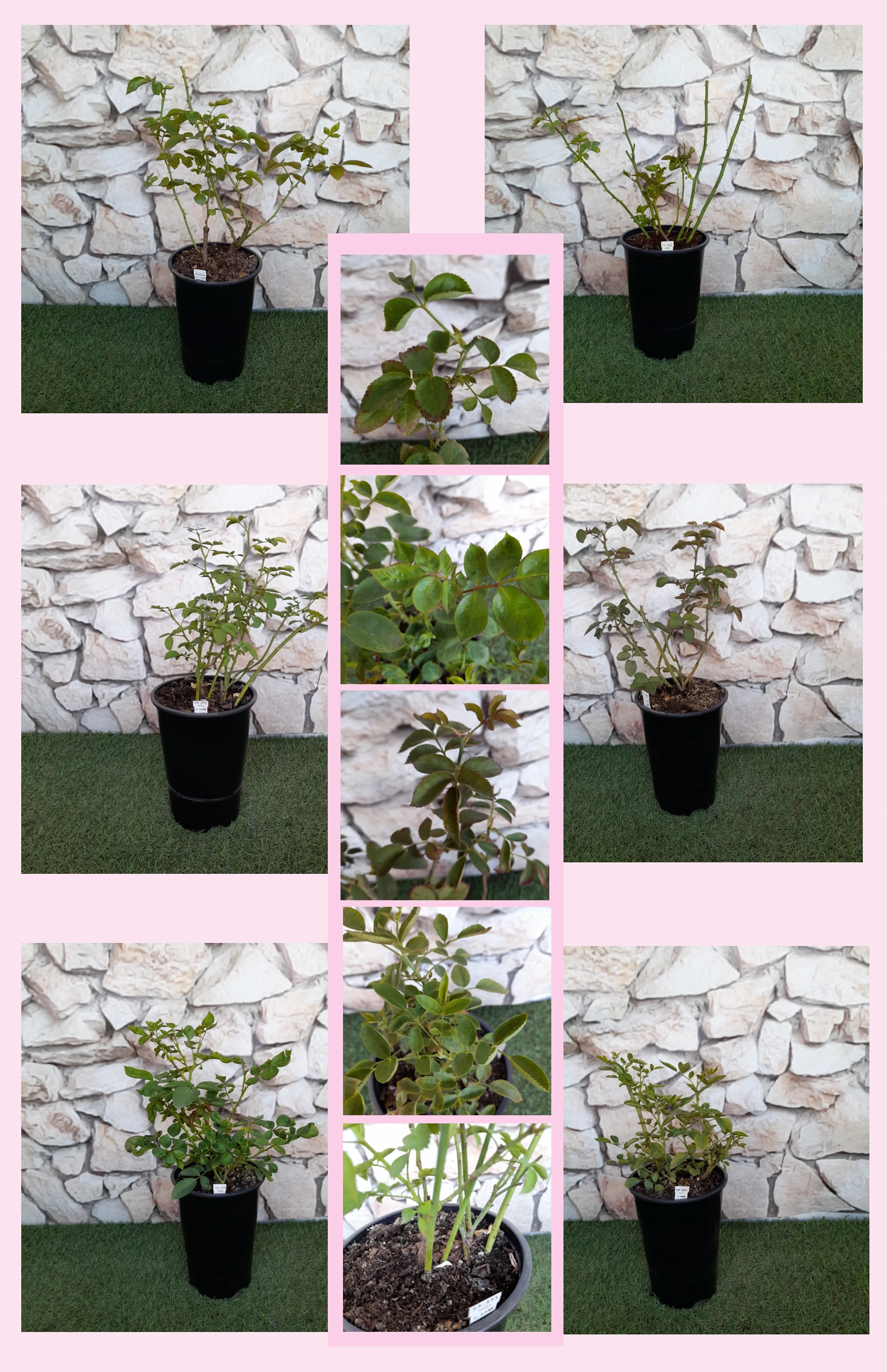
Upright, moderately dense bushy shrub reaching about 90–130 cm in height and 55–85 cm in spread, with dark green, slightly glossy foliage and relatively sparse prickles for easier handling. |
| Flower morphology |
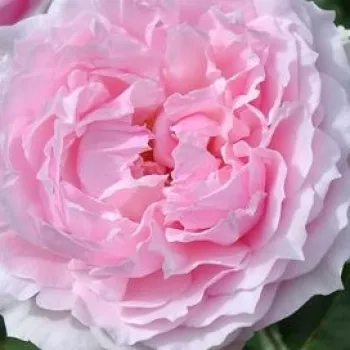
Medium-sized, full, cup-shaped blooms with roughly 26–39 petals, borne in clusters on floribunda-type trusses; repeat-flowering habit ensures an abundant second flush after the main early-summer display. |
| Colour data and phenology |
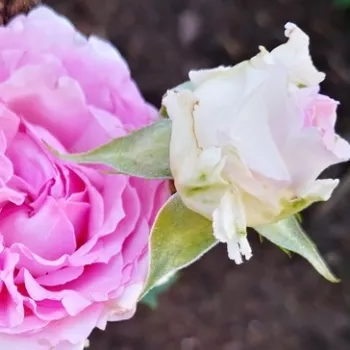
Pale, translucent pastel pink (RHS 62C–62D) that lightens toward creamy, almost white petal edges as blooms age; the centre remains slightly richer pink, giving a soft bicolour effect before final fading. |
| Fragrance and aroma |
Strong, pronounced perfume with a sweet, fruity rose character; particularly noticeable at close range in warm, still weather, contributing significantly to the plant’s sensory and tea-corner appeal. |
| Hip characteristics |
Rose-hip set is generally sparse due to the double flowers; where formed, hips are small, spherical, bright red, around 10–14 mm in diameter, adding discreet late-season interest without seeding issues. |
| Resistance and winter hardiness |
Rated H6 with approximate hardiness to around –15 to –12 °C; good general disease resistance, especially to black spot and rust, with moderate tolerance to powdery mildew and reliable heat tolerance. |
| Horticultural recommendations |
Best in full sun with fertile, well-drained soil; suitable for beds, low hedging and large containers. Plant 40–75 cm apart depending on use, water regularly in dry spells, and prune annually in late winter. |
EURIDICE offers romantic pastel clusters, strong fragrance and low-maintenance, disease-resistant growth on a durable own-root framework, making it a thoughtful, long-lived choice for your family garden and patio seating areas.