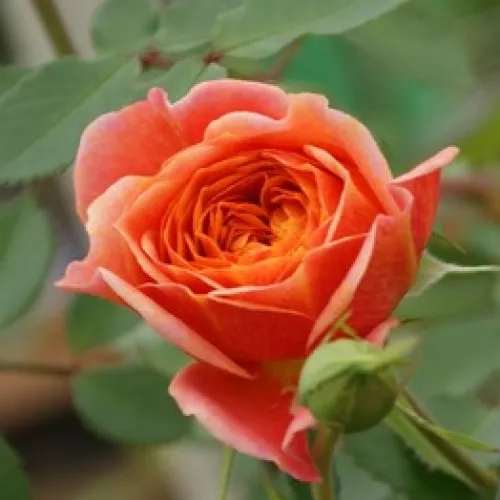
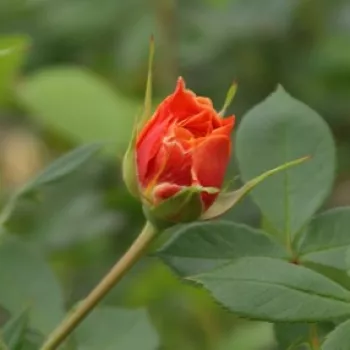
ELARA – orange bedding floribunda rose – Panozzo
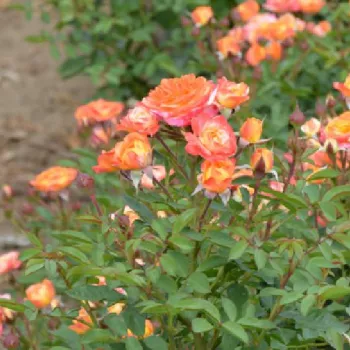
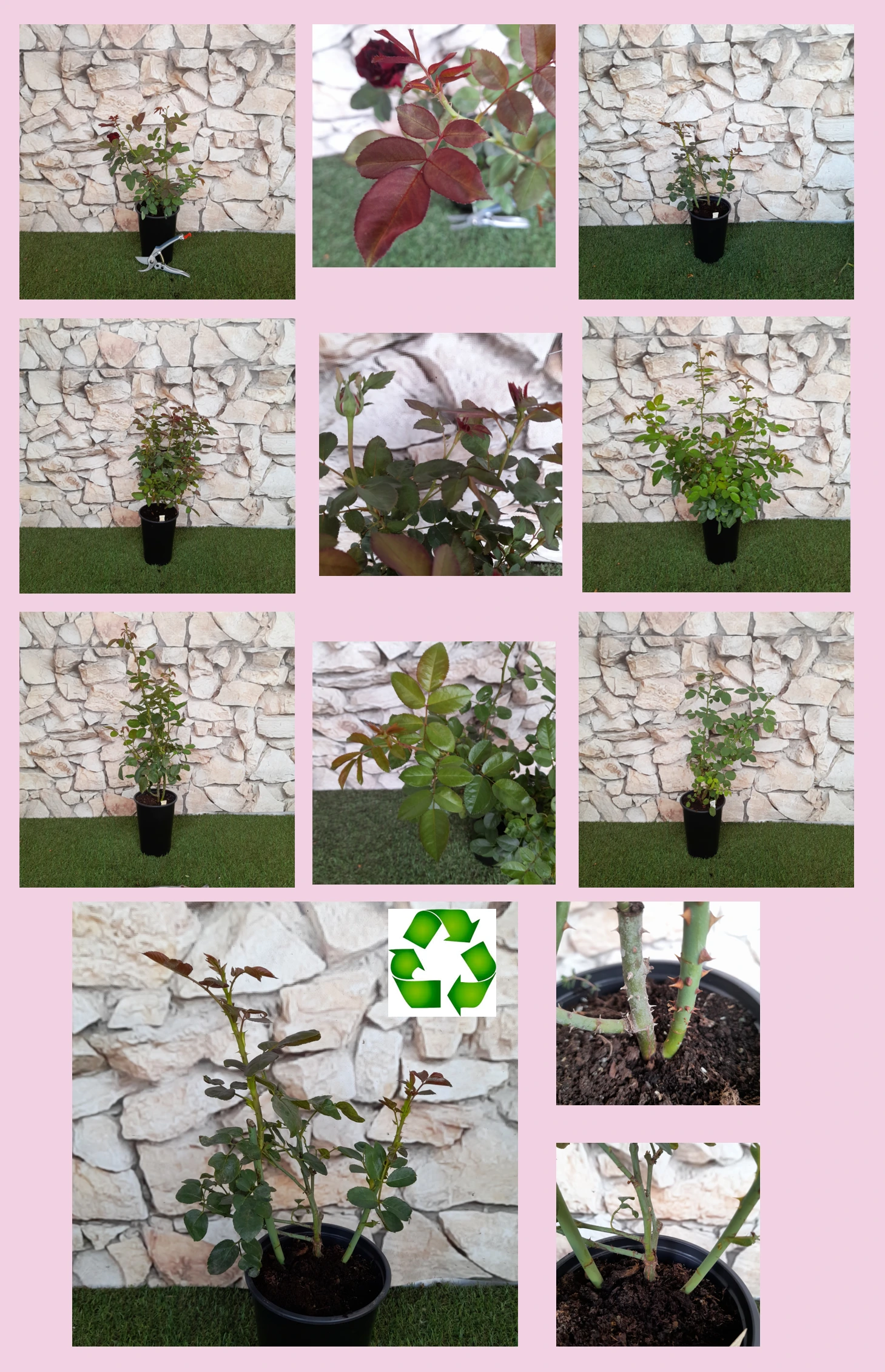
Bring a touch of storybook romance to your family garden with ELARA, a compact floribunda bedding rose bred for dependable flowering rather than fussy upkeep. Its bushy, mid‑green foliage forms a tidy, low shrub, ideal for edging paths or framing a cottage‑style kitchen garden, while the clusters of very double blooms shift through coral‑orange, salmon, peach and creamy tones for a soft, feminine colour palette. As an own‑root plant it knits in steadily and lives for many years, quietly regenerating from the base and helping you manage water wisely during increasingly dry British summers. You can plant your 2‑litre container almost any time the soil can be worked, whether into a small border or a generous 40–50 litre pot, and over the first seasons it settles, roots, then fills out, building to its full ornamental presence without demanding advanced pruning skills. In coastal or more exposed gardens it anchors reliably and shrugs off routine wind, supporting a relaxed, long‑term cottage ambiance with minimal intervention.
Usage options
| Target area | Reasoning |
|---|
| Front‑of‑border cottage edging |
The compact, bushy habit and 50–75 cm height create a neat, low line of colour that reads beautifully at the front of a mixed border. Clusters of very double blooms give a romantic, “girly” feel without overwhelming nearby perennials. Over successive years it matures steadily on its own roots, so the edging remains balanced rather than becoming leggy or gappy, ideal for those who prefer gentle shaping to strict clipping, particularly suitable for the beginner. |
| Family flower bed focal drift |
This floribunda’s repeat‑flowering nature provides a reliable, season‑long display, with waves of coral‑orange and peach flowers that stay interesting as they change tone. Plant in small drifts at 45 cm spacing for a soft, cloud‑like effect that anchors the bed. The medium maintenance need mainly involves occasional deadheading and basic health checks, manageable even in a busy household, making it a reassuring option for the hobby‑gardener. |
| Low hedge along paths or lawns |
Planted at around 35 cm, ELARA forms a low, semi‑formal hedge that outlines paths, play areas or vegetable plots without creating a harsh barrier. The moderately dense foliage and consistent height make it easy to read as a line, yet it still feels informal and romantic. Own‑root growth allows it to recover from accidental knocks or a harder trim, offering long service for the homeowner. |
| Large containers and terrace pots |
In a 40–50 litre or larger container, this compact shrub keeps its shape and flowers generously, ideal for patios, roof terraces or small urban gardens. Partial shade tolerance means it still performs where sunlight is limited by neighbouring houses or fences. The moderate water requirement lets you manage irrigation sensibly, especially during warmer spells, helping time‑pressed city dwellers maintain colour with minimal fuss, attractive for the urban‑gardener. |
| Kitchen garden and potager borders |
ELARA’s soft, shifting orange‑to‑peach tones harmonise with vegetables, herbs and cutting flowers, creating that traditional French‑style potager feel. Its bushy structure helps define beds, while own‑root durability means it can remain in place for many years as the edible planting around it changes. Over roughly three seasons it first roots in, then builds top growth, then achieves full visual impact, a reassuring rhythm for the planner. |
| Informal mixed perennial planting |
The rose’s medium‑sized, cupped, very double blooms sit comfortably among cottage perennials such as scabious, asters and coneflowers, adding a romantic touch without dominating. Its moderate height suits tiered layouts, creating a middle layer between taller back‑of‑border plants and edging varieties. The combination of moderate disease resistance and own‑root resilience reduces the need for intensive care, a calm choice for the time‑poor. |
| Small gardens with changeable weather |
With moderate resistance to common fungal problems and a tidy, 50–75 cm stature, this rose copes well in real‑world conditions, including smaller plots where air circulation is less than ideal. It tolerates heat reasonably, provided it receives water in extended dry spells, and manages breezier positions where more fragile varieties might struggle, making it a dependable option for those wanting charm without complexity, welcome for the family. |
| Coastal and more exposed sites |
The relatively low, bushy framework, moderate thorniness and sturdy stems allow the plant to hold its shape in exposed gardens, where it remains attractive even when the wind picks up and conditions feel less than gentle. This stability supports a long‑term planting that does not need regular replacing, while the own‑root system promotes good anchoring and recovery, reassuring for gardeners in areas often facing blustery, salt‑tinged winds, appreciated by the seaside‑gardener. |
Styling ideas
- Cottage‑border drift – Plant ELARA in loose groups with scabious and dwarf asters to create a billowing, low front‑of‑border; ideal for lovers of soft, romantic English‑style gardens – for the cottage‑style enthusiast.
- Kitchen‑garden frame – Use a low hedge of ELARA to edge raised vegetable beds, its coral‑peach blooms softening the geometry of timber and paths – for the rural cook who values beauty and produce.
- Patio‑arbour pots – Place individual plants in 40–50 litre terracotta containers beside a bench or simple metal arch, letting the colour provide a cosy “afternoon tea” mood – for balcony and terrace owners.
- Family‑friendly path – Line a main garden path with evenly spaced ELARA, using its modest thorns and compact habit to define the route without overwhelming children’s play space – for young families.
- Warm‑toned mix – Combine ELARA with echinacea and other orange or apricot perennials in a sunny bed for a harmonious, low‑maintenance scheme that still feels rich and layered – for busy weekend gardeners.
Technical cultivar profile
| Property | Data |
|---|
| Name and registration |
Floribunda bedding rose marketed as ELARA – orange bedding floribunda rose – Panozzo, registered cultivar name PANdocell, within the bedding rose collection and shrub rose exhibition category. |
| Origin and breeding |
Bred in France by Bernard Panozzo and introduced in 2019 by La Star de Doué; parentage is not recorded, but breeding emphasised bedding performance and decorative garden use. |
| Growth and structural characteristics |
Compact, bushy shrub reaching about 50–75 cm high and 40–60 cm wide, with moderately dense, mid‑green, matt foliage and moderate prickliness, suitable for edging, bedding and low hedging roles. |
| Flower morphology |
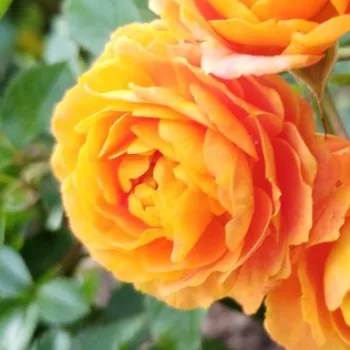
Medium‑sized, very double, cup‑shaped flowers with over 40 petals, produced in clusters; remontant flowering pattern with a generous second flush extending seasonal ornamental value. |
| Colour data and phenology |
Vibrant coral‑orange with a golden‑yellow sheen, softening through salmon, peach and creamy tones; ARS white group, RHS 155C outer and 155D inner, with a multitone effect at different bloom stages. |
| Fragrance and aroma |
Displays a delicate rosy character but with very weak strength; scent is barely noticeable in most garden situations, making it primarily an ornamental variety chosen for colour and form. |
| Hip characteristics |
Heavily double blooms limit hip set; occasional small spherical hips, around 6–10 mm diameter, may form, coloured bright red and adding a discreet late‑season decorative note when present. |
| Resistance and winter hardiness |
Hardy to approximately −21 to −18 °C (RHS H7, Swedish zone 3, USDA 6b); good resistance to black spot and powdery mildew, with moderate rust susceptibility and moderate heat and drought tolerance. |
| Horticultural recommendations |
Best at 35–45 cm spacing in beds or hedges; suitable for 40–50 litre containers; prefers well‑drained soil, tolerates partial shade, and needs only moderate maintenance with occasional health checks. |
ELARA – orange bedding floribunda rose – Panozzo offers compact, repeat flowering colour, cottage‑style versatility and long‑lived own‑root reliability, making it a thoughtful choice when planning your next easy‑care planting.