DU CHÂTELET – pink nostalgic rose – Sauvageot
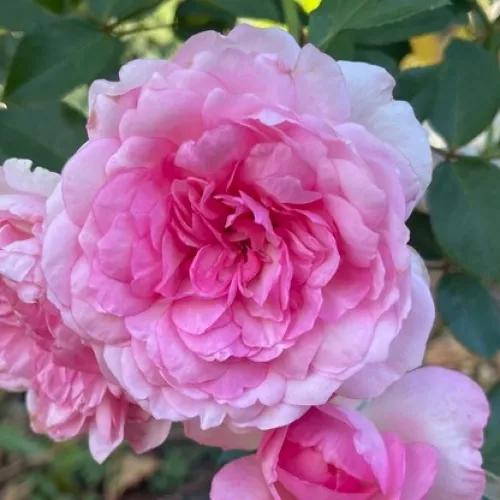
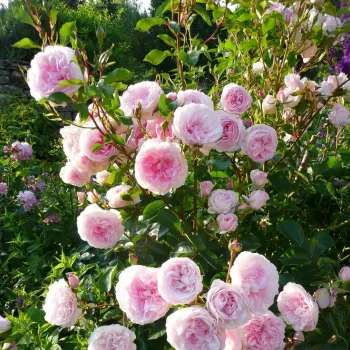
In a small family garden where romance meets practicality, DU CHÂTELET brings a flushed, pastel-pink cosiness to borders and arbours, with globular, very double blooms that evoke afternoon tea and old storybooks. Its bushy, medium-sized habit fits comfortably into typical British plots, settling well even where you must manage heavier soils with careful drainage and raised beds. As a premium own-root plant, it offers reassuring longevity and the quiet security of steady regeneration after pruning or weather damage. Over time, its repeat-flowering romance builds up, moving from root establishment to fuller, more floriferous growth and eventually to a rich garden presence in just a few seasons, yet with only medium maintenance suited to busy cottage-style gardeners.
Usage options
| Target area | Reasoning |
|---|
| Front or mid-border in a family cottage garden |
The compact, bushy shrub shape and 80–120 cm height make DU CHÂTELET easy to place in mixed borders without overshadowing other perennials, while the pastel pink clusters weave a gentle, romantic thread through the planting season for busy cottage-style homeowners |
| Small rose bed in an average-sized front garden |
Its moderate spread and balanced, rounded structure allow neat, clearly defined rose beds along drives or front paths, providing a tidy yet soft look that stays in scale with typical suburban plots and enhances kerb appeal for time-pressed family gardeners |
| Low informal hedge along a path or lawn edge |
Planting at 40–50 cm intervals creates a low, billowing hedge of blush-pink pompon flowers that visually guides you through the garden, while own-root resilience helps the line recover evenly from pruning and occasional gaps for owners seeking simple structure |
| Feature rose near seating, terrace or garden bench |
The very double, globular flowers with their mild, delicate fragrance invite close viewing without being overpowering, turning a seating area into a calm, nostalgic focus point that suits afternoon tea moments and quiet conversation for lovers of gentle romance |
| Accent shrub in a mixed cottage-style bed |
Cluster-flowering stems and abundant repeat flushes provide reliable pink colour to thread through summer, pairing well with phlox, bearded irises or dwarf pines while keeping a coherent, soft colour scheme for gardeners curating pastel borders |
| Own-root specimen in large containers |
In a 40–50 litre or larger container, the medium height and dense foliage create a satisfying, well-proportioned specimen, while the own-root system ensures better recovery after winter cut-back and reduces long-term replacement needs for balcony and patio rose keepers |
| Wind-sheltered spot in exposed or coastal gardens |
Where gardens are open to rain and wind, the sturdy shrub framework and reliable anchoring of the own-root system help the plant stay stable once established, provided the soil is improved for good drainage in such conditions for coastal and hillside homeowners |
| Long-term planting in traditional family gardens |
With medium maintenance needs and solid winter hardiness, this cultivar is suited to long-lived plantings; its own-root stamina supports gradual thickening, steady flowering and easier renewal after harder pruning over many years for families planning lasting gardens |
Styling ideas
- COTTAGE-BORDER RIBBON – Thread DU CHÂTELET through a mixed border with phlox and bearded iris, letting its pastel pink clusters repeat along the bed – ideal for romantic cottage-style enthusiasts
- TEA-ARBOUR NOOK – Position a trio near a bench or small arbour, underplant with low herbs, and enjoy a soft, nostalgic backdrop to afternoon tea – perfect for homeowners creating a storybook seating corner
- PASTEL HEDGELET – Use closely spaced plants to edge a lawn or kitchen garden path, blending with box or low lavender for a gentle, traditional divide – suited to families wanting structure without formality
- PATIO CENTREPIECE – Grow a single shrub in a 50-litre terracotta pot with airy companions like nepeta around the base for a movable focal point – good for urban gardeners working with limited space
- ROMANTIC ENTRYWAY – Flank a front door or gate with paired shrubs and soft underplanting such as ladies’ mantle to create a welcoming, old-world entrance – appealing to those seeking classic, homely charm
Technical cultivar profile
| Property | Data |
|---|
| Name and registration |
DU CHÂTELET (SAUban), Romantica shrub nostalgia rose, Romantic rose group; trade names include Du Châtelet NIRPESPACE SAUban and exhibition name Roseraie du Chatelet. |
| Origin and breeding |
Bred in France by Bernard Sauvageot around 1999, with parentage not recorded; introduced commercially by NIRP International from 2000 as part of the NIRPESPACE collection. |
| Awards and recognition |
Well-decorated exhibition rose: Silver Medal and honorary award at Baden-Baden 1999, Rome Silver Medal 1999, Saverne Certificate of Merit 1999, and multiple Buenos Aires distinctions around 2000. |
| Growth and structural characteristics |
Bushy shrub rose reaching about 80–120 cm high with 55–90 cm spread, dense dark green slightly glossy foliage, and moderate prickliness; forms a rounded, balanced outline suitable for beds and low hedges. |
| Flower morphology |
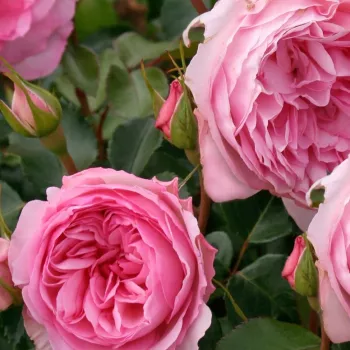
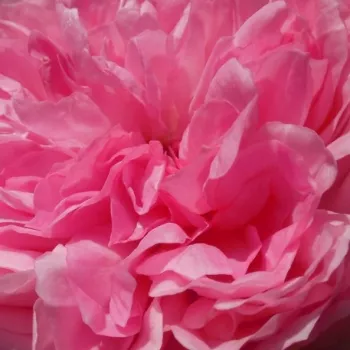
Large, very double, pompon to globular clusters with over 40 petals; repeat-flowering with a strong second flush, providing generous summer display on cluster-bearing stems across the season. |
| Colour data and phenology |
Delicate pastel pink with subtle carmine hues; buds silky light pink, opening to cup-shaped blooms that gradually fade to pale, almost whitish pink near the end, with moderate colour retention in sun and age. |
| Fragrance and aroma |
Light, restrained fragrance of delicate character; noticeable at close range without being overpowering, making it suitable near seating or windows where a subtle, unobtrusive scent is preferred. |
| Hip characteristics |
Rose hips are sparse due to very double blooms; when present they are small, spherical orange-red fruits about 9–15 mm across, adding only a modest late-season feature. |
| Resistance and winter hardiness |
Medium resistance to common fungal diseases such as black spot, mildew and rust; hardy to approximately -21 to -18 °C (RHS H7, Swedish Zone 3, USDA 6b) with routine care in typical UK gardens. |
| Horticultural recommendations |
Best in sunny positions with well-prepared soil; water during prolonged heat and drought, allow about 40–75 cm spacing depending on use, and apply standard pruning and occasional disease control as required. |
DU CHÂTELET offers romantic pastel blooms, a compact shrub habit and dependable repeat flowering in a resilient own-root form that suits long-term family gardens, making it a thoughtful choice for those planning a gentle, traditional look.