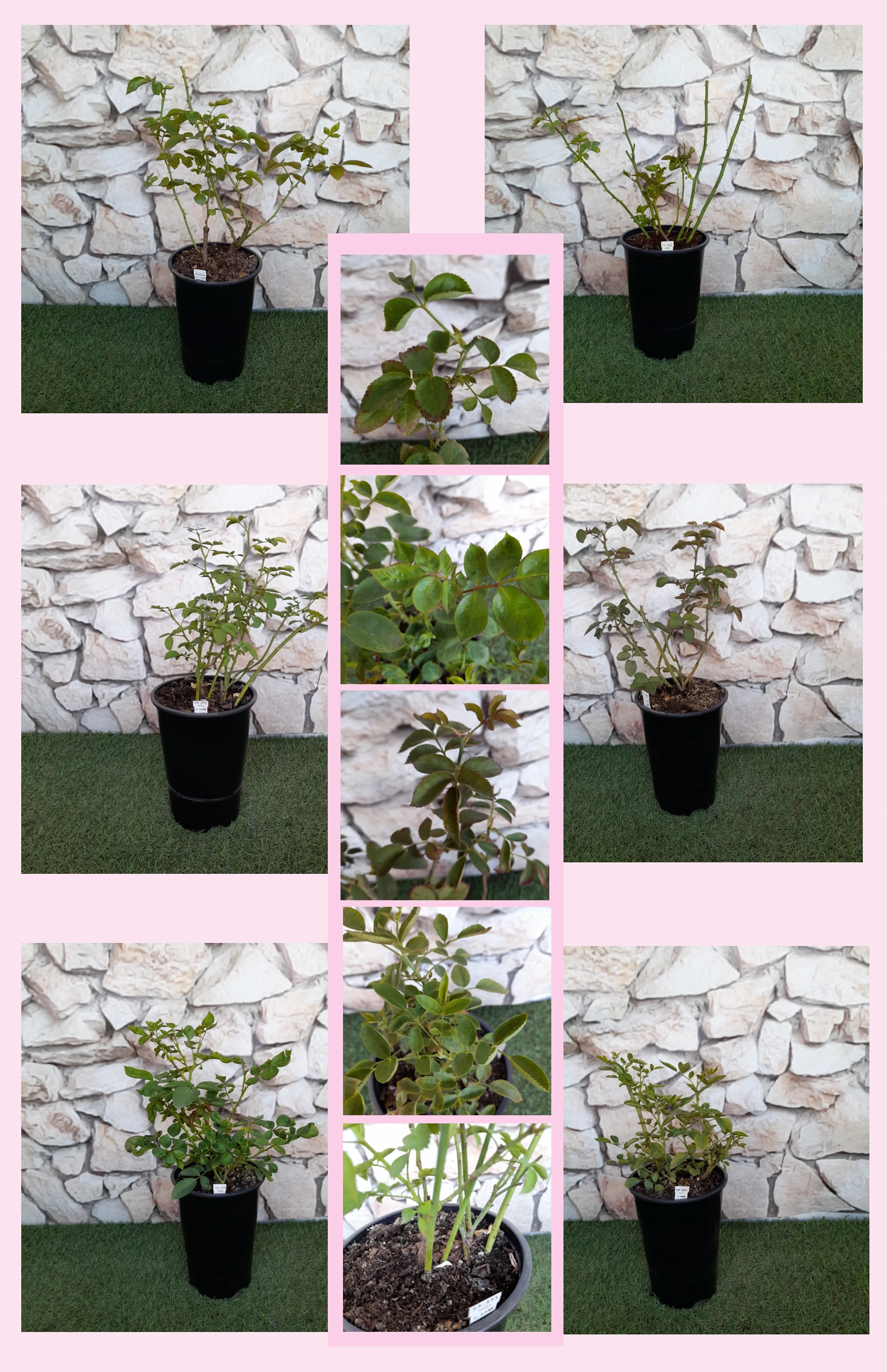
DREAMING SPIRES – yellow climbing rose – Mattock
Let Dreaming Spires bring a romantic, storybook focus to your garden, creating a sense of cosiness beneath an arbour or pergola with its soft, butter-yellow clusters of semi-double blooms and strong, fresh, fruity scent. This large-flowered climber is supplied as an own-root pharmaROSA® ORIGINAL 2-litre plant, so it establishes steadily, builds a durable framework and can regenerate from its base for a long, reliable life. Over time it forms dense, dark green foliage that sets off the flowers beautifully and helps anchor vertical structures, even where breezes and showers are regular visitors in coastal-style conditions. In an average family garden you can enjoy its repeat-flowering habit along a wall, trellis or arched arbour, with simple seasonal pruning and straightforward care, as roots develop in the first year, the framework fills out in the second, and by the third season the display reaches its full ornamental value.
Usage options
| Target area | Reasoning |
|---|
| Arbour for afternoon tea seating |
DREAMING SPIRES quickly clothes an arbour with tall, flexible flowering canes, giving soft shade and scented enclosure just where chairs and a table are placed. Its repeat flushes of warm yellow keep the structure attractive through the season with only light training and tying-in, ideal for those who want atmosphere rather than demanding projects, especially beginners. |
| Pergola along a garden path |
With a height of around 3–4,5 m and dense foliage, this climber forms a leafy tunnel above paths, guiding you through the garden with glowing yellow clusters at eye and overhead level. Own-root vigour allows it to mature steadily and recover well if a cane is lost, so you can keep the pergola neat with straightforward annual pruning, suiting busy owners. |
| South- or west-facing house wall |
Trained on wires or a trellis against a sunny wall, DREAMING SPIRES makes the most of its remontant flowering, giving successive displays of deep yellow to creamy blooms that lighten gracefully in strong sun. The wall backing helps ripen wood for winter, while the own-root base supports long-term structure with modest maintenance, perfect for homeowners. |
| Romantic cottage-style border backdrop |
Used at the back of a mixed border, its tall, climbing habit and dark green leaves create a vertical backdrop for traditional cottage plants such as clustered bellflower, English bluebeard and coneflower. The buttery-yellow flowers blend naturally with soft pinks, blues and whites, offering a classic, “girly” cottage effect that appeals to cottage enthusiasts. |
| Screening between neighbouring gardens |
Planted at 1,4–1,5 m intervals along a fence or light trellis, this rose develops into a pleasantly informal screen, softening boundaries while still allowing some light through. Own-root plants can be rejuvenated from low buds after a harder prune if needed, helping you maintain privacy and long-term structure without specialist techniques, ideal for families. |
| Feature rose in a small family garden |
DREAMING SPIRES can serve as the main vertical accent in a modest garden, needing only a single support while providing colour from the golden buds to the paler, creamy older blooms. Its medium maintenance needs and moderate disease resistance suit ordinary UK conditions, where regular watering and simple checks are manageable for hobby gardeners. |
| Raised bed or improved clay soil planting |
Where heavy clay is present, planting this own-root climber into a raised or improved bed helps the roots establish reliably, supporting stable growth and a long-lived framework. Over time the base thickens and anchors the plant securely, so even with coastal-style winds and rain it remains an enduring feature, attractive to planners. |
| Large container on terrace or courtyard |
In a 40–50 litre or larger container with a sturdy obelisk or trellis, DREAMING SPIRES brings height, scent and colour to hard-standing spaces. Its semi-double, self-cleaning flowers keep the display tidy, while own-root resilience means the plant can be refreshed by pruning and occasional repotting, suiting space-limited urban gardeners. |
Styling ideas
- Cottage Arch – Train DREAMING SPIRES over a timber arch and underplant with foxgloves, clustered bellflower and hardy geraniums for a soft, romantic entrance – for lovers of classic English cottage gardens.
- Sunny Pergola – Let its yellow clusters trail along a pergola beam, combined with white climbing roses and pale clematis for a light, airy canopy – for families wanting cheerful shade over a seating area.
- Kitchen-Garden Edge – Grow it on a trellis bordering herbs and vegetables, where its colour and fragrance frame the productive area without taking up precious bed space – for those with a rural-style kitchen garden.
- Cream-and-Gold – Pair DREAMING SPIRES with cream roses, blue English bluebeard and silvery foliage perennials to create a harmonious, gently luminous border – for gardeners seeking a restrained, elegant palette.
- Townhouse Wall – Train it flat against a brick wall with neat horizontal wires, keeping a slim footprint while adding scent and storybook charm – for urban owners wanting vertical interest with simple care.
Technical cultivar profile
| Parameter | Data |
|---|
| Name and registration |
DREAMING SPIRES climbing rose (Mattock); large-flowered climber for garden use, commercial type climber, ARS exhibition name Dreaming Spires; formerly unregistered trade form, own-root supply. |
| Origin and breeding |
Bred by John Stewart Mattock in Oxford, United Kingdom; cross of ‘Buccaneer’ × ‘Arthur Bell’; introduced and registered in 1973 by Mattock Roses as a quality climbing rose. |
| Growth and structural characteristics |
Strong, climbing habit reaching about 3,0–4,5 m high with 1,6–2,7 m spread; dense, dark green, slightly glossy foliage; moderately thorny canes; medium self-cleaning performance on spent blooms. |
| Flower morphology |
Semi-double, cupped medium-sized blooms with roughly 13–25 petals; produced in clusters; remontant with abundant second flush; typical flower size around 4–7 cm depending on season and position. |
| Colour data and phenology |
Deep, rich yellow base with faint amber tone; golden buds with bronzed tinge; petals lighten to butter-yellow then creamy edges; very good colour retention, flowering repeatedly in warm months. |
| Fragrance and aroma |
Clearly noticeable, strong fragrance with a fresh, fruity character; perceptible around seating areas in still air; suitable for those valuing scented roses in everyday garden situations. |
| Hip characteristics |
Hip set generally poor due to semi-double flowers; where present, egg-shaped orange-red hips about 12–18 mm in diameter, adding modest late-season interest without significant seeding. |
| Resistance and winter hardiness |
Hardy to about –21 to –18 °C (RHS H7, USDA 6b, Swedish Zone 3); moderate tolerance of common fungal diseases; medium heat and drought tolerance, needs watering in prolonged dry, hot spells. |
| Horticultural recommendations |
Best in sunny positions on arches, pergolas, walls or trellises; space 1,4–2,35 m depending on use; plant in improved soil or raised beds on heavy clay; own-root form supports long-term rejuvenation. |
DREAMING SPIRES offers scented yellow flowering over arches and walls, steady own-root longevity and adaptable training options; an inviting choice if you would like a romantic yet manageable climbing rose.