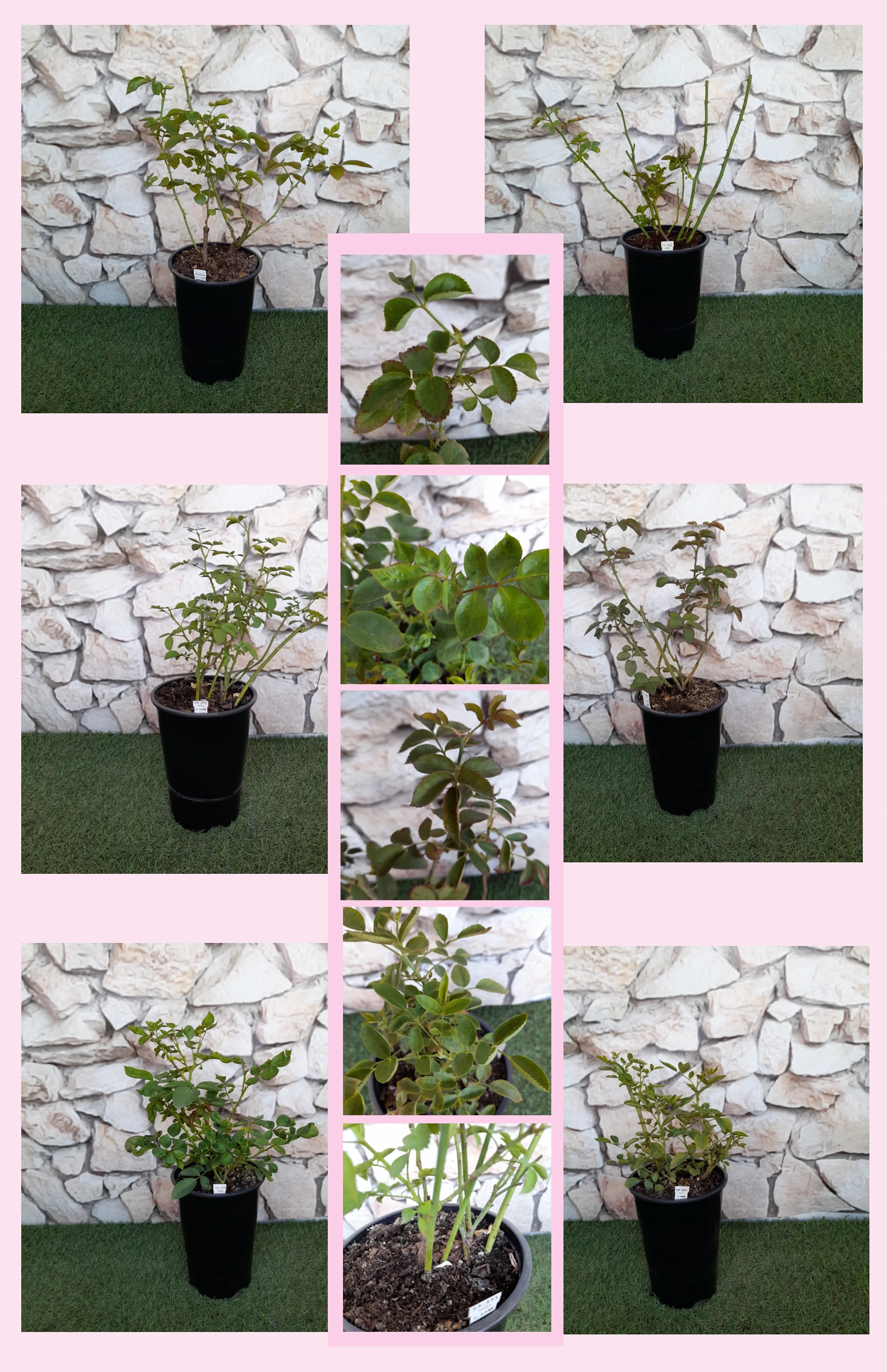
DORIS TYSTERMAN – orange hybrid tea rose
With its glowing orange blooms and upright, compact habit, DORIS TYSTERMAN settles easily into the average family garden, even where winds are brisk and drainage needs a little extra care, bringing a gently romantic focus to paths, beds and kitchen‑garden corners. The tidy, medium‑sized flowers appear repeatedly from early summer, offering armfuls of elegant stems for the vase without demanding expert pruning or complex feeding. As an own‑root plant it is naturally long‑lived and capable of quiet renewal after tougher seasons, supporting a relaxed, cottage‑garden approach where you simply deadhead, water in dry spells and enjoy the developing structure, the dependable flowering, the glowing colour, the poised habit, the light fragrance, the garden‑worthy resilience, its long‑term longevity and easy‑to‑pick stems.
Usage options
| Target area | Reasoning |
|---|
| Feature rose by the terrace or seating area |
Planted near a terrace or bench, its upright, compact habit forms a neat, vertical accent that does not sprawl onto furniture or paths, ideal where space is shared with children and outdoor dining; a straightforward choice for the relaxed cottage‑style homeowner. |
| Cutting patch in a kitchen or utility garden |
The high‑centred blooms on straight stems repeat reliably, allowing you to cut regularly for the house while the plant continues to flower in the border, giving a productive, storybook feel to even a modest kitchen garden for the busy yet romantic‑minded gardener. |
| Small mixed border in a family front garden |
The steady succession of medium‑sized flowers keeps colour going between shrubs and perennials without overwhelming the space, creating a welcoming, ordered frontage that still feels soft and cottage‑like, appealing to appearance‑conscious but time‑pressed owners. |
| Sunny bed with perennials on heavier clay soil |
In a raised or improved bed, its resilient roots and steady performance cope well where soil can be slow to drain or compact, provided watering is managed sensibly during dry spells, giving consistent results for those in challenging suburban plots nationwide. |
| Pathside accent near an entrance or gateway |
Its glowing orange flowers and glossy foliage stand out against hedging or brick, yet the upright structure keeps it neatly within bounds, framing gateways or path junctions with cottage‑garden charm that suits welcoming, family‑focused households. |
| Traditional rose bed with informal cottage companions |
Repeated flowering and medium maintenance pair well with easy perennials like coreopsis and blanket flower, building a soft, romantic tapestry that needs only routine deadheading and seasonal care, ideal for informal, storybook‑garden‑loving beginners. |
| Large container on patio or balcony (40–50 litres+) |
In a substantial pot of at least 40–50 litres, its upright shape and moderate vigour are easy to manage, and regular watering and feeding reward you with continual bloom, making it a practical, impactful rose for urban or paved spaces tended by busy residents. |
| Long‑term focal rose in a family back garden |
As an own‑root plant it re‑sprouts reliably after harder winters or pruning mishaps, maturing from good roots into a well‑clothed, flowering framework you can enjoy for many years, a reassuring investment for forward‑thinking garden‑planning families. |
Styling ideas
- Kitchen‑door posy corner – Position near the back door with herbs and a small cutting row, so you can snip a few stems for the table on your way in – ideal for cottage‑style cooks who like fresh flowers indoors.
- Peach‑glow frontage – Combine with soft apricot perennials and low box or yew for a gentle, glowing welcome by the drive or front path – suited to households wanting traditional charm with tidy structure.
- Storybook bed – Mix with lavender, catmint and airy grasses to echo an English countryside border, letting the orange blooms flicker among blues and mauves – perfect for romantically inclined weekend gardeners.
- Patio focal pot – Grow one plant in a 50‑litre terracotta or half‑barrel with trailing thyme at the rim for scent and softness – a good choice for balcony or courtyard owners seeking impact in limited space.
- Warm‑toned family border – Repeat along a low fence with coreopsis and blanket flower to create a sunny, low‑fuss strip that looks good from the kitchen window – appealing to families who prefer bright, easy colour.
Technical cultivar profile
| Parameter | Data |
|---|
| Name and registration |
DORIS TYSTERMAN is a hybrid tea rose; registered and marketed under the same name for garden and exhibition use, with ARS approved exhibition name also recorded as Doris Tysterman. |
| Origin and breeding |
Bred in the United Kingdom by Willem E. Tysterman and introduced in 1975, this cultivar arose from a cross of ‘Peer Gynt’ with an unnamed seedling; detailed breeding‑company records are no longer available. |
| Growth and structural characteristics |
Upright, medium‑tall hybrid tea reaching about 85–115 cm high and 70–95 cm wide, with moderately thorny stems and dense, glossy bronze‑green foliage forming a tidy, easily managed bush. |
| Flower morphology |
Semi‑double, medium‑sized (approximately 4–7 cm) high‑centred blooms on mainly solitary stems; petals usually 13–25 per flower, with pointed, cut‑rose style buds and very good repeat‑flowering performance in summer. |
| Colour data and phenology |
Flowers open deep, coppery orange with fine bronze edging, then soften through peachy orange to a lighter flame‑orange; colour holds better in cooler weather, fading more noticeably in strong, prolonged sunshine. |
| Fragrance and aroma |
Light but definite sweet fragrance, noticeable at close range without being overpowering; suitable near seating and paths where a subtle, classic rose scent is preferred rather than a strong perfume. |
| Hip characteristics |
Produces moderate quantities of small, ovoid, orange‑red hips, typically around 10–14 mm in diameter; of ornamental interest in late season if spent flowers are not removed for repeat bloom. |
| Resistance and winter hardiness |
Hardy to approximately −26 to −23 °C (RHS H7; USDA 5b; Swedish zone 4) with medium resistance to black spot, powdery mildew and rust; benefits from regular watering and basic preventative care in humid summers. |
| Horticultural recommendations |
Best in full sun with fertile, well‑drained soil; plant 50–60 cm apart in borders or hedges, or as a 100 cm specimen; medium maintenance, needing periodic deadheading, feeding and occasional pest or disease control. |
DORIS TYSTERMAN offers glowing orange flowers, an upright, space‑saving habit and reliable repeat bloom on its own‑root framework, making it a considerate long‑term choice for relaxed family gardens and cottage borders.