DAGMAR HASTRUP – pink wild rose – Hastrup
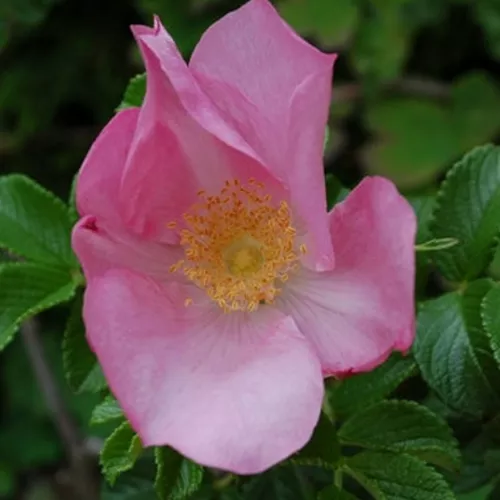
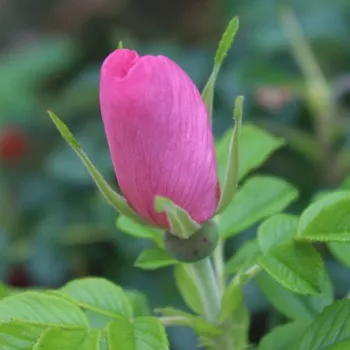
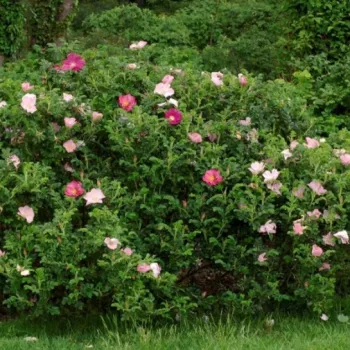
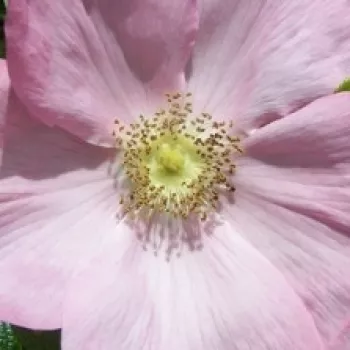
Understated yet deeply romantic, this hybrid Rugosa shrub rose brings a sense of storybook charm to everyday gardens, with soft mid-pink, cup-shaped flowers that slowly pale to near white and a distinctive, strong rugosa fragrance that feels made for afternoon tea and quiet corners. Its naturally spreading, groundcover habit forms a dense, dark green backdrop that looks at home in cottage-style borders, informal hedges and relaxed “girly” corners by a kitchen garden. Bred in Denmark and renowned for its excellent hardiness, it shrugs off harsh winters, coastal winds and exposed sites, and is notably tolerant of poorer soils and urban conditions. With very high disease resistance, you can keep spraying and fussing to a minimum, ideal for busy family gardeners. As an own-root plant it offers impressive longevity and the ability to regenerate from the base if ever cut back hard, helping it keep a stable look over many years. In its first seasons you will see roots establish, then strong new shoots, with the full romantic display building steadily by about the third year. Clusters of single, pollen-rich blooms ensure excellent pollinators support, followed by decorative hips that extend the season and underline its timeless character.
Usage options
| Target area | Reasoning |
|---|
| Cottage-style mixed border in a family garden |
The spreading shrub form fills gaps with a low, softly mounded presence, ideal for informal cottage borders where structure and romance are both needed. Reliable remontant flowering and pale pink tones blend easily with perennials and herbs, suiting those who prefer relaxed, traditional planting and beginners. |
| Coastal or exposed front garden hedge |
Outstanding cold tolerance and robustness against wind make this cultivar well suited to exposed or seaside plots, where many roses struggle. Its dense foliage and thorny shoots create a practical, season-long screen that also copes with less-than-perfect soil, appealing to time-pressed householders and busy-owners. |
| Low-maintenance groundcover on banks and awkward corners |
The naturally spreading habit and dense leaf canopy help smother weeds over slopes, edges and difficult-to-mow areas, reducing routine maintenance. Minimal pruning needs and strong disease resistance keep care simple, making it attractive for gardeners who like tidy results without high effort and hobby-gardeners. |
| Romantic seating area near terrace or bench |
The strong rugosa scent and soft, pastel-pink flowers create a sensory focus beside seating, especially where you want a gentle, nostalgic mood. Own-root vigour supports long-term structure, so once established it provides dependable fragrance each summer, well suited to those who value atmosphere and tea-lovers. |
| Family-friendly wildlife and pollinator corner |
Single blooms with exposed stamens are easy for bees to use, and repeat flushes ensure nectar over a long season, encouraging children to notice visiting insects. Decorative hips extend interest into autumn, supporting a more naturalistic style enjoyed by nature-aware households and eco-families. |
| Traditional rose and hedge combination in a kitchen garden |
Its classic shrub character and old-fashioned pink colouring blend beautifully with clipped yew, herbs and vegetables, giving a soft, rural feel. The plant’s own-root resilience and long lifespan make it a sound structural companion near productive areas, matching the needs of practical yet romantic home-growers. |
| Urban front garden or pavement-side planting |
Good tolerance of poorer, compacted soils and urban pollution, together with high disease resistance, means this rose stays presentable where conditions are less than ideal. Limited care demands and solid winter hardiness support reliable structure for small city plots, pleasing pragmatic but style-conscious town-dwellers. |
| Informal rose grouping in raised beds on heavy clay |
In raised or improved beds above heavy clay it establishes into a durable, low shrub layer whose remontant bloom keeps borders lively through summer; its hardiness and disease resistance reduce worries about local climate pressures in wetter regions, suiting cautious but enthusiastic starters. |
Styling ideas
- Pastel-hedge – Plant a loose informal hedge, underplant with lavender and catmint for a soft pink-and-blue ribbon along paths – ideal for romantic cottage-garden lovers.
- Seaside-nook – Use as a wind-tolerant backdrop with thrift and grasses in coastal gardens to frame a bench with movement and scent – perfect for coastal homeowners.
- Kitchen-border – Combine with sage, chives and low box edging beside vegetable beds for a pretty yet productive kitchen-garden frame – well suited to home cooks.
- Wildlife-lane – Mix with meadow sage and dwarf yew along fences to create a wildlife-friendly corridor with blooms, fragrance and hips – attractive for nature-focused families.
- Urban-courtyard – Group several plants in large 40–50 litre containers with airy grasses for a soft, romantic screen – appealing to busy urban gardeners with limited space.
Technical cultivar profile
| Property | Data |
|---|
| Name and registration |
Hybrid Rugosa shrub rose marketed as Dagmar Hastrup, also known as Hastrup; classic park and shrub type with wild-rose character, used widely in gardens and landscape schemes. |
| Origin and breeding |
Bred by Knud Julianus Hastrup in Denmark around 1914, later commercialised by Poulsen Roser A/S and introduced internationally from 1934, especially via Wayside Gardens in the USA. |
| Awards and recognition |
Holds the Royal Horticultural Society Award of Garden Merit and American Rose Society Classic Shrub Rose awards from 1999 and 2000, confirming dependable garden performance. |
| Growth and structural characteristics |
Low, spreading groundcover shrub reaching about 70–110 cm in height and 100–160 cm in spread, with dense, slightly glossy dark green foliage and strongly thorned shoots for structure. |
| Flower morphology |
Medium-sized, cup-shaped single to semi-double flowers with around 5–12 petals, produced in clusters; remontant, with an initial flush followed by a generous second flowering period. |
| Colour data and phenology |
Mid-pink petals (RHS 65C outer, 65D inner), opening to lighter pastel and eventually near white; colour fading is moderate and faster in strong sun, giving a softly changing display. |
| Fragrance and aroma |
Strongly scented rose with the distinctive, fresh rugosa fragrance, noticeable at a short distance and especially effective when planted near seating, paths or doorways for daily enjoyment. |
| Hip characteristics |
Produces decorative, globose red hips around 20–30 mm across; colour near RHS 40A, spherical and eye-catching, extending ornamental interest well beyond the main flowering season. |
| Resistance and winter hardiness |
Very hardy shrub (approx. USDA zone 3b, RHS H7), tolerating about −37 to −34 °C, with high resistance to black spot and powdery mildew and moderate resistance to rust in gardens. |
| Horticultural recommendations |
Best for low hedges, groundcover and naturalistic planting; thrives in sun or partial shade, tolerates poorer soils and moderate drought, and needs only light pruning and minimal upkeep. |
DAGMAR HASTRUP offers a hardy, disease-resilient, romantically scented shrub that thrives for years on its own roots, making it a thoughtful choice for gardeners seeking long-lived, easy-care charm.