CRÈME DE LA CRÈME – cream-white climbing rose - Gandy
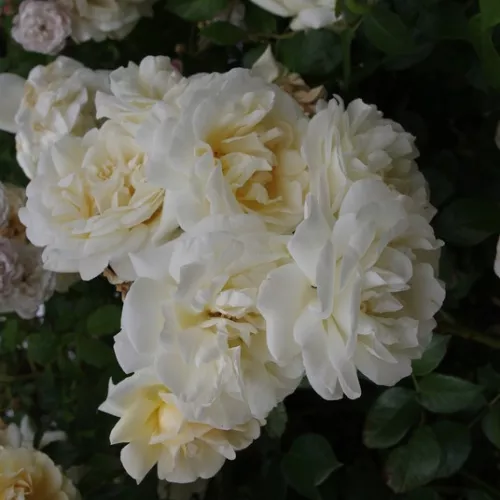
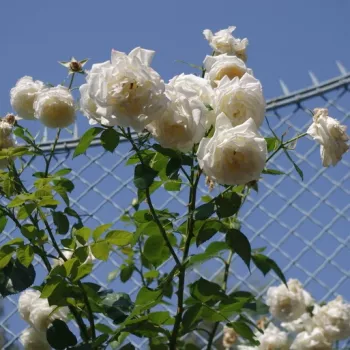
With its refined, cream-white blooms and strong, sweet fragrance, Crème de la crème creates a softly romantic focus wherever you let it climb. Bred in the UK, it is at home in typical British gardens, coping reliably even where heavy soil needs good drainage and coastal breezes bring extra humidity. The generous, cup-shaped flowers open from ivory buds into large, butter-white clusters that repeat from early summer well into autumn, giving a long season of colour on walls, pergolas and fences. As an own-root rose it is naturally long-lived, regenerating well and maintaining stable ornament with relatively low maintenance needs and good disease resistance. Plant once, then enjoy steady growth as roots establish in the first year, stronger shoots and framework in the second, and a fully developed, storybook arbour effect by the third.
Usage options
| Target area |
Reasoning |
| Pergola over a seating area |
The tall, climbing habit and dense, glossy foliage make this variety ideal for training up and over a pergola to create a shaded nook for afternoon tea. Large, strongly scented flowers hang at eye level, giving fragrance as you sit beneath them. As an own-root plant, it develops a durable framework that can be refreshed with simple pruning, keeping the structure safe and attractive for many seasons, a reassuring choice for family gardeners. |
| House wall or sunny fence |
Crème de la crème is purpose-bred as a climbing rose, reaching 2,4–4 m with a spread of 1,6–2,8 m, just right for most typical house walls and garden fences. Its long, flexible canes tie in easily along supports, quickly clothing plain surfaces in foliage and romantic blooms. Good resistance to common fungal problems means fewer treatments even in damp, breezy gardens where coastal weather brings extra moisture in the air, making life simpler for busy homeowners. |
| Romantic cottage-style border backdrop |
The pale cream-white flowers with gentle yellow shading sit beautifully behind traditional perennials and herbs, echoing classic English cottage planting. Dense, dark green foliage forms a soft, informal backdrop that highlights pinks, lavenders and silvers without overwhelming them. Repeating flushes of bloom give dependable vertical interest all summer, allowing you to achieve a layered, storybook look with just occasional deadheading, appealing to cottage-garden lovers. |
| Cutting garden and home arrangements |
This large-flowered climbing rose doubles as an excellent cut-flower source, with long stems and well-formed, double blooms that hold their shape in the vase. The strong, sweet fragrance brings a classic rose scent indoors, perfect for informal jugs on the kitchen table or more formal arrangements. Regular cutting encourages new flowering shoots, keeping the plant productive and ornamental without complex techniques, an attractive idea for creative flower arrangers. |
| Arbour or archway entrance |
Its height range suits most garden arches and simple timber arbours, creating a welcoming, rose-draped entrance to paths or seating areas. The clusters of light-coloured flowers stand out even on overcast days, guiding the eye into the garden. Own-root vigour and good hardiness to approximately -20 °C mean the plant recovers well from pruning or winter setbacks, offering long-term structure with modest care for long-term planners. |
| Partially shaded side garden |
This variety tolerates partial shade, so it can brighten side passages or less sunny boundaries where many roses sulk. Light-coloured blooms reflect what light is available, lifting narrower spaces and helping them feel wider and more inviting. Reliable repeat flowering means you still enjoy a good display without hunting for the sunniest spot, making it well suited to urban plot owners. |
| Large container on terrace or patio |
When planted in a substantial container of at least 40–50 litres with a sturdy obelisk or trellis, Crème de la crème offers vertical interest where borders are limited. Own-root resilience and a naturally strong root system help it adapt to pot life, provided watering and feeding are regular. Its refined colour palette works with most outdoor furniture and paving schemes, offering an elegant solution for balcony and patio gardeners. |
| Low-intervention family garden feature |
This climbing rose combines attractive, full blooms with notably good resistance to black spot, powdery mildew and rust, reducing the need for sprays and complicated routines. Once tied in and shaped, it mainly asks for seasonal pruning and some deadheading to remove spent clusters. The own-root form, with a naturally long lifespan and strong capacity to regenerate, makes it a reassuring long-term choice for time-poor beginners. |
Styling ideas
- Pergola romance – Train Crème de la crème along a wooden pergola with soft pink Dianthus plumarius at the base for a pastel, tea-garden feel – ideal for nostalgic homeowners.
- Cottage wall – Grow it against a sunlit brick wall and underplant with parsley and traditional herbs for a relaxed kitchen-garden look – perfect for country-style cooks.
- Front-garden welcome – Arch two plants over a path, edging with low lavender to frame the cream-white blooms – suited to families wanting a storybook entrance.
- Evening terrace – Place one in a 50-litre container with an obelisk, adding white and silver foliage plants nearby so the pale flowers glow at dusk – for sociable patio hosts.
- Cut-flower corner – Combine this climber with Liatris spicata ‘Kobold’ and cottage perennials near the back door for easy armfuls of scented stems – ideal for home arrangers.
Technical cultivar profile
| Property |
Data |
| Name and registration |
Registered as GANcre, marketed as Crème de la crème Climbing rose GANcre; exhibition name Crème de la Crème; large-flowered climber in the climbing rose commercial group. |
| Origin and breeding |
Bred by Douglas L. Gandy in the United Kingdom in 1995 from ‘Morgengruss’ × ‘Whisky Mac’; introduced and first distributed by Gandy’s Roses Ltd in 1998. |
| Growth and structural characteristics |
Vigorous climbing habit, around 2,4–4 m high and 1,6–2,8 m wide; dense, glossy dark green foliage; moderately thorny canes; most spent blooms require manual removal. |
| Flower morphology |
Large, double, cup-shaped blooms with roughly 26–39 petals in clustered inflorescences; remontant with a generous second flush, suitable for both garden display and cutting. |
| Colour data and phenology |
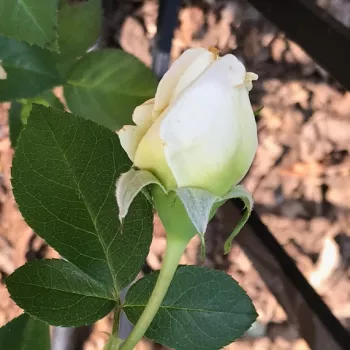
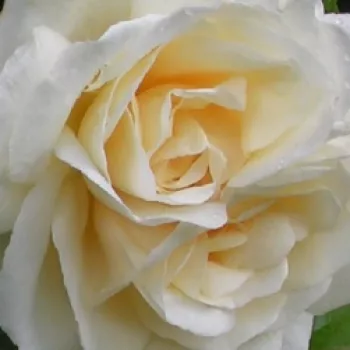
Cream-white base with soft lemon tint at the centre; buds ivory with pale-yellow tips; flowers lighten to butter-white as they open; colour retention moderate, overall effect pale and refined. |
| Fragrance and aroma |
Strongly, sweetly scented rose fragrance clearly noticeable on warm, still days; classic perfume character well suited to seating areas and cutting for scented indoor arrangements. |
| Hip characteristics |
Occasional spherical hips, about 8–13 mm across, orange-red when ripe; modest ornamental interest, not a heavy fruiting variety, generally secondary to its flowering display. |
| Resistance and winter hardiness |
Good resistance to black spot, powdery mildew and rust under garden conditions; hardy to around -21 to -18 °C (RHS H7, Swedish zone 3, USDA 6b) with appropriate site and care. |
| Horticultural recommendations |
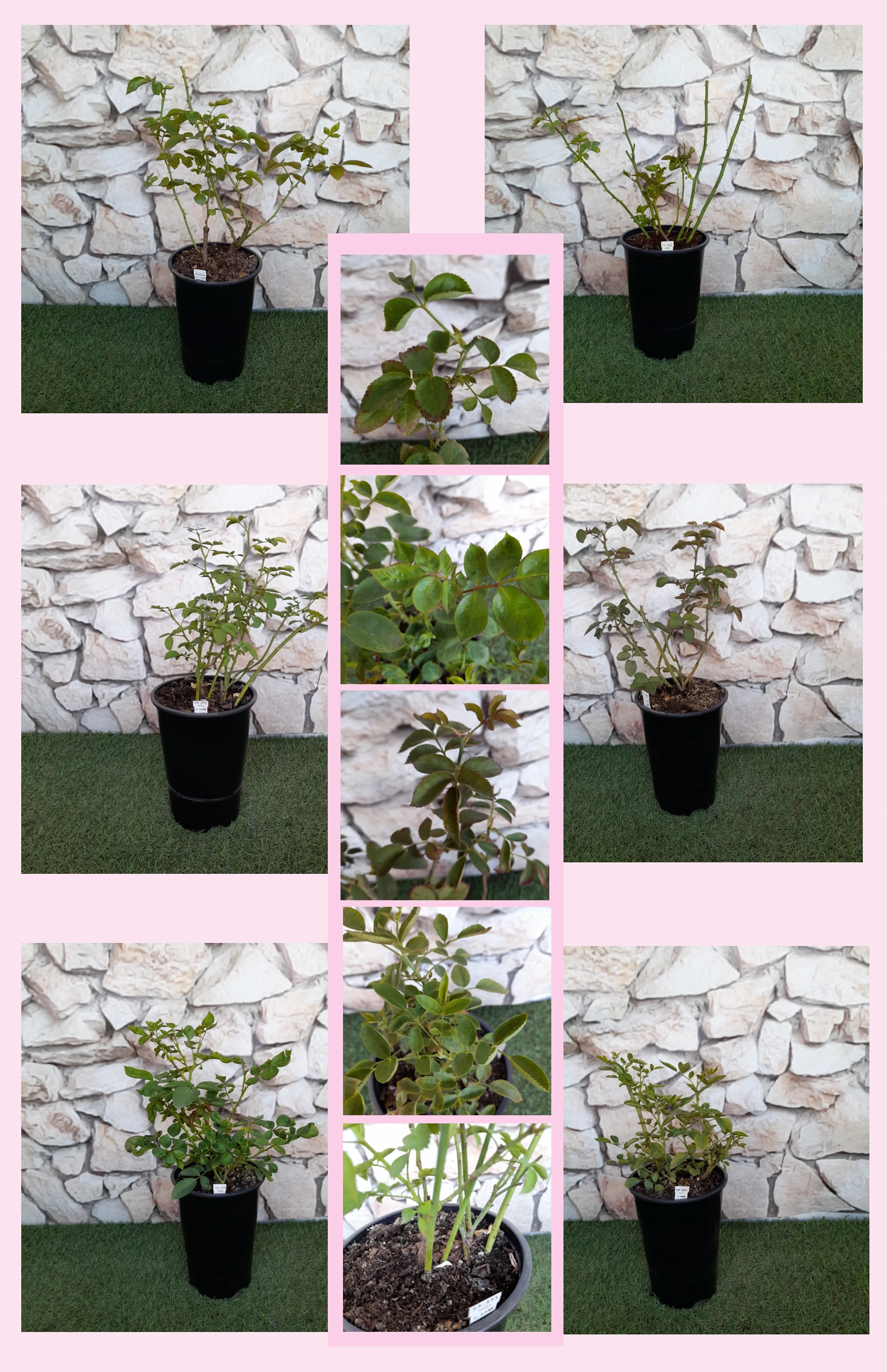
Best on pergolas, walls, arches or trellises at 1,4–2,2 m spacing; suitable for partial shade; plant as an own-root 2-litre specimen, pruning and tying in annually for structure. |
Crème de la crème offers refined cream-white, strongly scented blooms on a disease-resistant, long-lived own-root climber, a graceful choice if you would like a romantic, low-fuss feature rose.