BARMACREME – apricot-pink hybrid tea rose – Barth
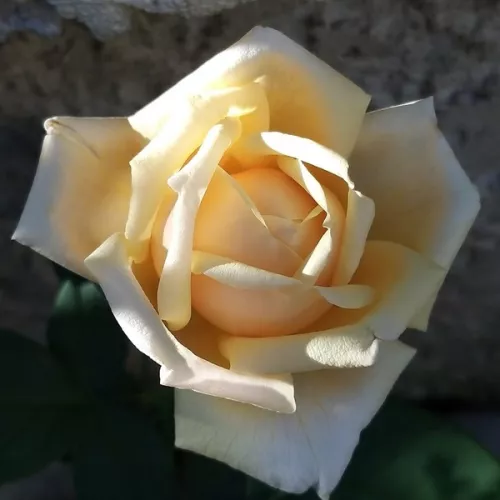
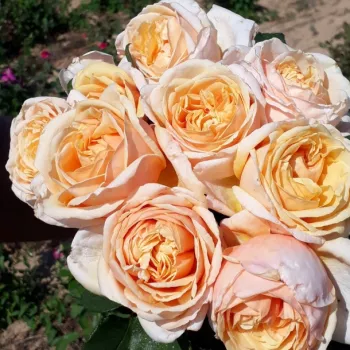
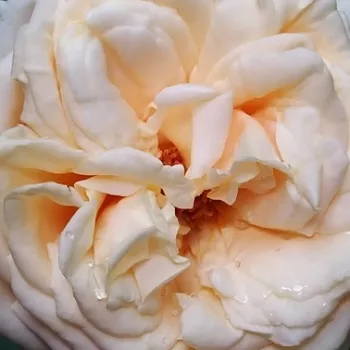
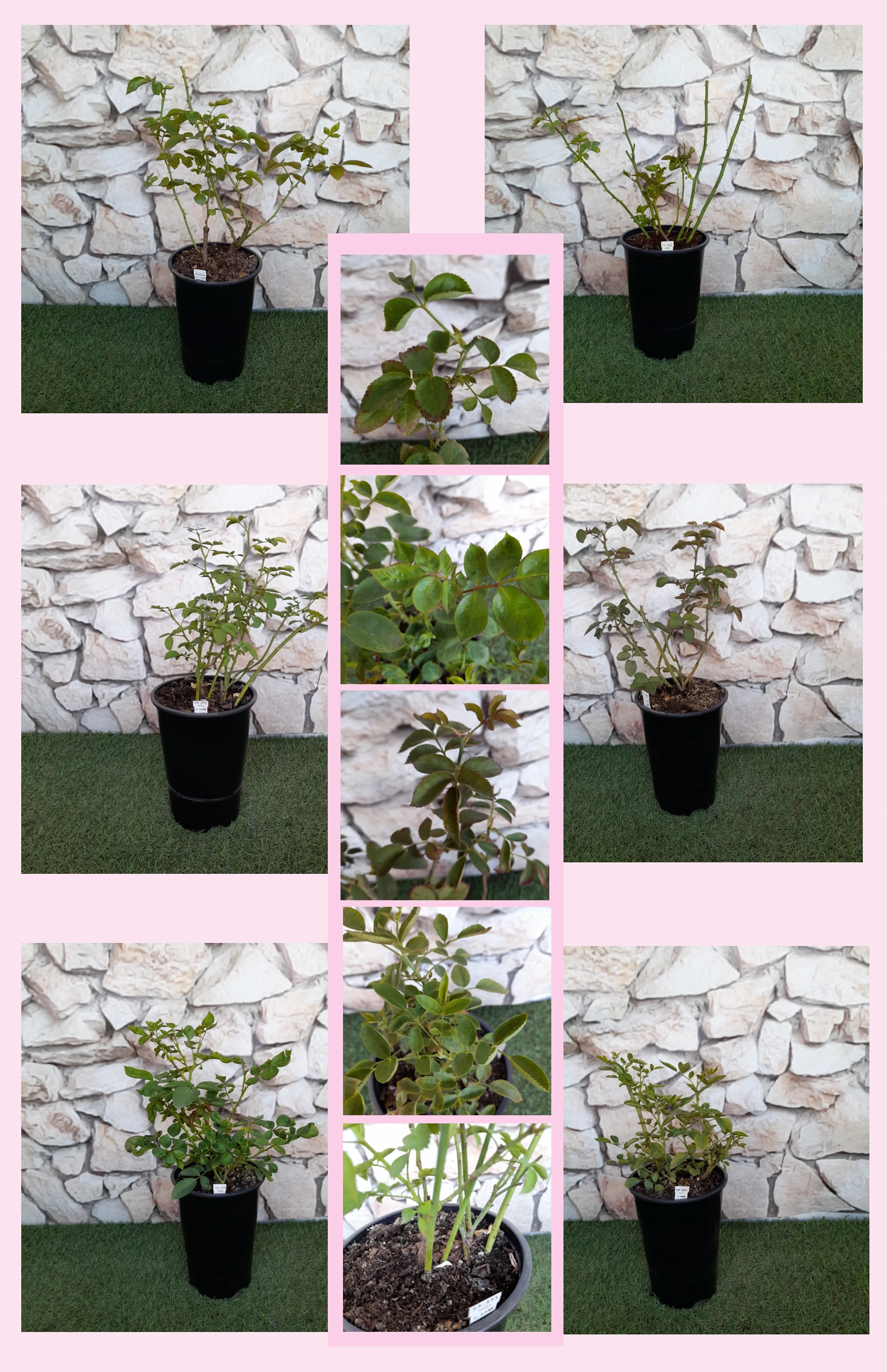
In a classic cottage setting, BARMACREME brings romance and relaxed afternoon charm to family gardens, with large, cupped blooms in gentle apricot-cream shades that look at home beside a herb border or kitchen garden beds. Its upright, compact habit sits neatly in mixed borders, while its own-root build supports long-term stability and graceful regeneration after pruning or weather damage. This hybrid tea’s reliable repeat flowering rewards light, straightforward maintenance, well suited to beginners who want impact without fuss. It settles securely even where winds roll in from the coast, resisting rocking and lifting once rooted, and thrives in typical British conditions with moderate disease resilience. In its first seasons you see the roots build, then strong shoots, before the full romantic display unfolds by year three, giving a quietly luxurious presence in even the smallest plot.
Usage options
| Target area | Reasoning |
|---|
| Feature rose near a seating area or terrace |
The very double, XL flowers create a focal point at close range, ideal beside a bench or patio table where you linger with tea or a book. The subtle pastel colouration flatters brick, gravel and timber, suiting those who want gentle, storybook elegance nearby. |
| Cutting bed for home arrangements |
Long, upright stems and solitary, cupped blooms lend themselves to vases, bringing the garden indoors without needing specialist cutting borders. Its repeat flowering means a steady supply of stems through the season for those who value simple, home-grown cut flowers indoors. |
| Romantic cottage-style border in a family garden |
The compact, upright shape fits easily into mixed borders with herbs and perennials, without overwhelming small plots. Pastel blooms harmonise with traditional cottage plants, appealing to families who prefer a soft, rural look around everyday outdoor spaces outside. |
| Low-maintenance rose planting for busy owners |
Moderate disease resistance and a medium maintenance need suit gardeners who can manage occasional checks rather than intensive care. Once established, own-root growth supports steady recovery from minor problems, reassuring time-poor owners who still want dependable flowering reliably. |
| Long-lived structural planting in front gardens |
The own-root form offers a naturally long lifespan, maintaining ornamental value as it matures, without the graft issues older roses can show. With dense foliage and regular flowering, it provides a lasting, traditional welcome for households thinking in decades, not just seasons forward. |
| Wind-aware sites and exposed corners |
The compact height and solid framework make it suitable for spots that catch the breeze in average suburban plots. Once the root system is established, the plant anchors itself well, helping it stand firm in blustery, rain-swept weather valued by those in more exposed positions coastal. |
| Large containers on patios or balconies |
The upright habit and moderate spread suit substantial pots of at least 40–50 litres, where roots can develop fully and the shrub remains stable. This lets balcony and terrace gardeners enjoy classic hybrid tea blooms at eye level without needing open ground container. |
| Flexible pruning and renewal over the years |
On its own roots, the plant responds well to both lighter shaping and stronger rejuvenation cuts, sending up fresh shoots from the base. This flexibility is reassuring for learners who may prune cautiously at first, then gain confidence as the plant responds predictably beginners. |
Styling ideas
- COTTAGE ARCH – Train BARMACREME as a pair of upright sentinels flanking a simple wooden arch, underplanted with lavender for scent and structure – for romantics wanting a storybook garden entrance.
- KITCHEN-EDGE – Position along the edge of a kitchen garden, mingling its pastel blooms with herbs and soft sages for a lived-in, rural feel – for home cooks who like cutting flowers between vegetable beds.
- TEA-TERRACE – Place in a large container beside outdoor seating, combining with low thyme or chamomile to soften the pot’s base – for balcony and patio users who want fragrance and colour at arm’s reach.
- FRONT-GARDEN – Use as a pair of structural shrubs by the front path, with neat box or low hedging backing its pastel flowers – for households seeking a traditional, low-fuss welcome all season.
- MIXED-BORDER – Thread through a border of blue catmint, salvia and soft grasses so the peach-cream blooms float above textured foliage – for hobby gardeners aiming at a gentle, coordinated colour palette.
Technical cultivar profile
| Parameter | Data |
|---|
| Name and registration |
BARMACREME is a hybrid tea rose sold as Barmacreme hybrid tea rose Barth; registered cultivar name not specified, part of the hybrid tea commercial group used for garden display. |
| Origin and breeding |
Bred in France in 2017 by René Barth, with parentage not recorded; introduced through European trade channels, developed primarily for ornamental garden use rather than exhibition showing. |
| Growth and structural characteristics |
Upright hybrid tea shrub reaching about 80–110 cm high and 50–70 cm wide; moderately thorny, with dense, mid-green, slightly glossy foliage that builds a compact, well-furnished framework over time. |
| Flower morphology |
Very double, solitary hybrid tea blooms with more than 40 petals, cupped form and XL size around 9 cm diameter, repeating well so the second flush is also abundant in favourable conditions. |
| Colour data and phenology |
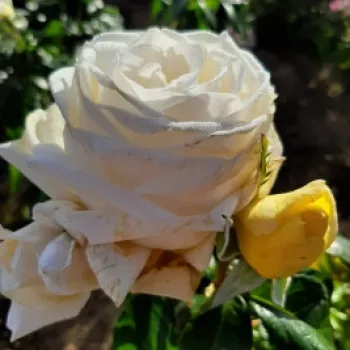
Pastel cream outer petals with peach-pink inner tones; colours deepen briefly as flowers open, then fade to creamy ecru with only a hint of rose, giving a soft, warm, changeable appearance as each bloom ages. |
| Fragrance and aroma |
Classic English-rose style perfume of strong but not overwhelming intensity, dominated by traditional rose notes that are noticeable at close range without becoming heavy around seating or paths. |
| Hip characteristics |
Hip set is generally low because of the very double blooms, though occasional small spherical hips around 10–14 mm may form, coloured orange-red and of mainly ornamental interest late in the season. |
| Resistance and winter hardiness |
Hardy to approximately –21 to –18 °C (RHS H7, USDA 6b, Swedish zone 3); shows moderate resistance to black spot, powdery mildew and rust, with medium tolerance of heat and drier periods. |
| Horticultural recommendations |
Plant in fertile, well-drained soil, spacing 50–95 cm depending on use; best in full sun with regular watering and occasional disease checks, responding well to standard hybrid tea pruning routines. |
BARMACREME offers romantic, repeat-flowering blooms, a compact yet structural habit and long-lived own-root reliability; a considered choice if you favour classic beauty with manageable care.