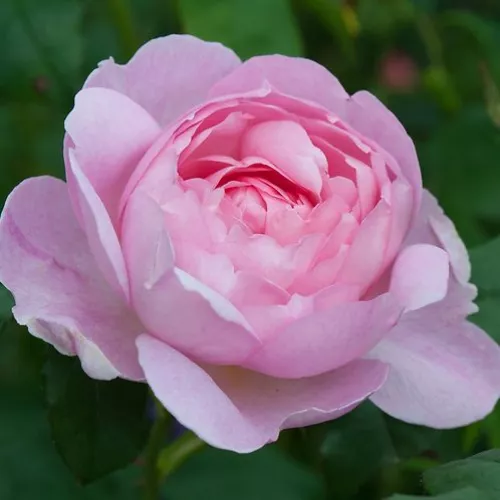
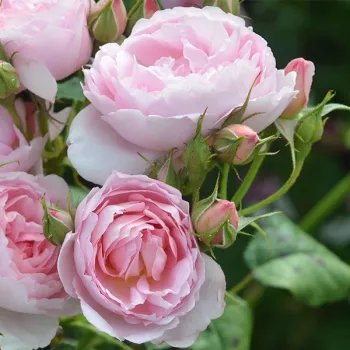
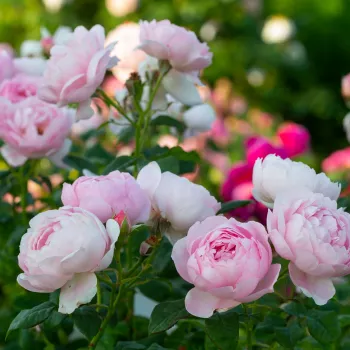
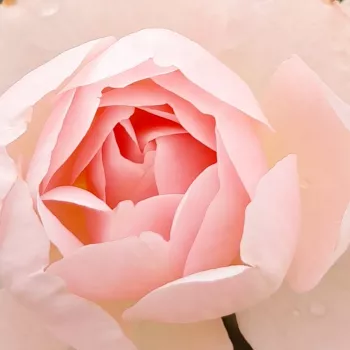
AUSLAND – light pink English rose – Austin
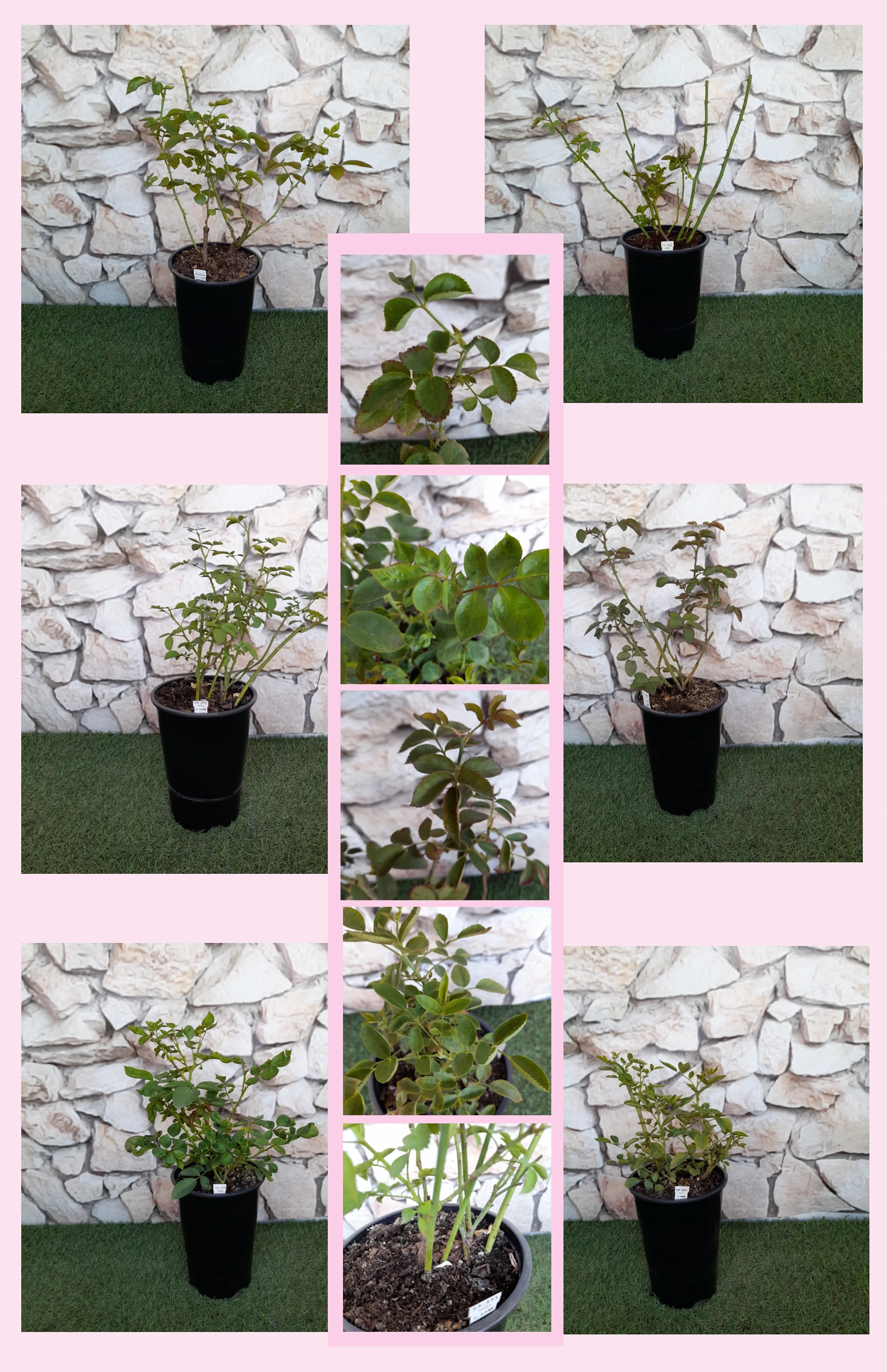
Imagine afternoon tea in a secluded corner of your garden, framed by softly cupped, light‑pink blooms and a rich myrrh fragrance that feels instantly romantic. AUSLAND (Scepter'd Isle) is a classic David Austin English shrub rose, ideal for family gardens where you want charm without fuss. Sold as a robust own‑root plant in a 2‑litre container, it settles steadily, with roots first, then stronger shoots, and by the third year a full, storybook display. Its upright habit suits mixed borders, low hedges or large tubs, even where gardens face brisk breezes and changeable coastal weather. With medium maintenance needs, simple seasonal tasks and dependable repeat flushes, this rose brings enduring cosiness, character and longevity to your planting plans, while its myrrh fragrance and pastel colour palette create a truly English cottage‑garden atmosphere.
Usage options
| Target area | Reasoning |
|---|
| Romantic mixed border in a family garden |
The upright, moderately tall shrub carries clusters of large, cupped, pastel pink blooms that fade to near white, giving soft structure and a gentle colour transition in a mixed cottage border. Repeat flowering ensures good presence between perennials, while medium disease resistance stays manageable with basic care, suiting those wanting relaxed beauty rather than high‑maintenance perfection – ideal for the busy urban gardener. |
| Low, fragrant living hedge along a path or terrace |
Recommended hedge spacing of about 60 cm allows AUSLAND to knit into a loose, waist‑high screen, with mid‑green, slightly glossy foliage providing privacy even between flushes. Generous, myrrh‑scented blooms create a fragrant corridor, while the own‑root habit supports long‑term renewal, so gaps from ageing bud‑grafted unions are far less likely over the years – reassuring for the long‑term homeowner. |
| Feature rose near seating for afternoon tea corners |
The very strong, garden‑filling myrrh fragrance and romantic, shell‑pink flowers make this cultivar ideal beside benches, arbours or pergolas where you sit and linger. At specimen spacing around 110 cm it forms a rounded, upright shrub that does not overwhelm small patios, yet delivers a luxurious scent experience with each remontant flush – perfect for the fragrance‑loving amateur. |
| Large container or half‑barrel on a terrace |
In a 40–50 litre or larger container, AUSLAND’s upright structure is easy to manage, while own‑root vigour gives stable growth and better recovery if top growth is damaged by frost or pruning errors. Regular watering keeps its moderate heat tolerance comfortable, making it a rewarding choice for paved courtyards where border space is limited – well suited to the space‑conscious balcony owner. |
| Cottage‑style rose bed with repeat flowering focus |
As a remontant shrub with a generous second flush, it keeps a dedicated rose bed lively through summer, rather than peaking once and disappearing. Medium self‑cleaning means deadheading is useful but not daily, and own‑root plants respond strongly to renewal pruning, maintaining shape and flower quality over many seasons – attractive for the time‑pressed beginner. |
| Family garden planting in exposed, breezier sites |
AUSLAND forms a moderately dense, well‑anchored shrub whose branching structure copes well with typical British breezes, helping flowers and stems stay presentable even where gardens are open to changeable, wind‑driven weather from nearby coasts. With medium disease resistance, basic monitoring and occasional treatment are usually sufficient – reassuring for the practical family gardener. |
| Lightly shaded spots with morning or late‑day sun |
Its suitability for partial shade allows use on east‑ or west‑facing aspects where tall fences or neighbouring houses reduce direct sun hours. Pastel colouring reads clearly even in softer light, and the strong fragrance carries into seating areas, so you gain impact in positions where many roses underperform – an advantage for the urban courtyard owner. |
| Cut‑flower harvest for small indoor arrangements |
Large, very double, cupped flowers on medium stems lend themselves to short vases and jugs on the kitchen table, with the myrrh scent filling nearby rooms. Own‑root growth copes well with regular cutting, as the plant pushes new flowering shoots from the base, supporting a long productive life with simple pruning – appealing to the home flower arranger. |
Styling ideas
- Cottage Border Drift – Plant AUSLAND in a loose row through a mixed border with catmint, hardy geraniums and low grasses so its pastel blooms and fragrance float above, softening fences and sheds – ideal for romantic cottage‑style enthusiasts.
- Fragrant Pathway Hedge – Use close spacing to create a low hedge along a garden path, underplanting with magenta Lychnis and white foxgloves to contrast with the pale pink roses – perfect for families who enjoy evening strolls in scented gardens.
- Tea‑Corner Feature – Place one or three shrubs near a bench or arbour, combined with lavender and potted herbs, to frame an afternoon tea nook with repeat‑flowering, scented blooms – suited to homeowners who value calm seating areas.
- Patio Container Trio – Grow AUSLAND in a large half‑barrel alongside two big pots of evergreen St John’s wort and catmint, giving year‑round structure and summer romance even on hard landscaping – great for small‑space terrace and balcony gardeners.
- Romantic Rose Bed – Create a dedicated rose bed with AUSLAND as the main variety, interplanted with box or low yew edging and pale perennials to showcase its soft colour and long‑term structure – ideal for traditional front‑garden planners.
Technical cultivar profile
| Characteristic | Data |
|---|
| Name and registration |
English shrub rose from the English Rose Collection; registered as AUSland and marketed as Scepter'd Isle (AUSland), a romantic English rose type for garden and landscape use. |
| Origin and breeding |
Bred in the United Kingdom by David C. H. Austin from the cross ‘Wife of Bath’ × ‘Heritage’; breeding completed 1989, registered 1989, introduced to commerce in 1996. |
| Awards and recognition |
Holder of the Royal National Rose Society Henry Edland Fragrance Award, reflecting its exceptional, strong scent performance in garden conditions and among other modern shrub roses. |
| Growth and structural characteristics |
Upright shrub 120–175 cm high and 85–130 cm wide, with moderately dense, mid‑green, slightly glossy foliage and moderate prickliness; medium self‑cleaning of spent flowers requires some deadheading. |
| Flower morphology |
Large, cluster‑borne, cupped blooms, 2.75–3.95 inches across, very double with over 40 petals; remontant character with a generous second flush, offering extended seasonal ornamental value in gardens. |
| Colour data and phenology |
Soft light pink flowers, shell pink in bud and inner petals (RHS 65B) with paler outer segments (RHS 65C) that fade to very pale pink and near white with a delicate cream tone as the bloom ages. |
| Fragrance and aroma |
Very strong, garden‑filling fragrance with characteristic myrrh notes typical of many English roses; scent is prominent outdoors and in cut stems, a key feature of this cultivar’s appeal. |
| Hip characteristics |
Hip production is limited because of the very double flower form; where set, it forms small, ellipsoidal red hips about 12–18 mm in diameter, adding occasional late‑season interest. |
| Resistance and winter hardiness |
Winter hardy to approximately −21 to −18 °C (RHS H7, USDA 6b; Swedish zone 3) with medium resistance to black spot, powdery mildew and rust, benefiting from standard preventive care in humid seasons. |
| Horticultural recommendations |
Suitable for beds, mixed borders, hedging, containers and cutting; plant at 70 cm for massing, 60 cm for hedges, 110 cm as a specimen, and maintain regular watering in warm periods for best performance. |
AUSLAND offers romantic pastel blooms, powerful myrrh fragrance and versatile border or hedge use on a resilient own‑root shrub that matures gracefully over time, making it a thoughtful addition to a relaxed family garden.