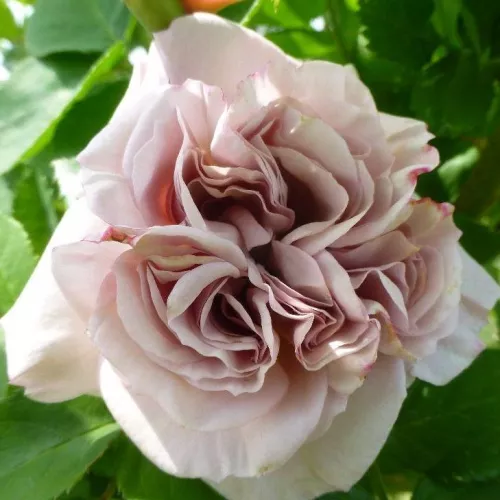
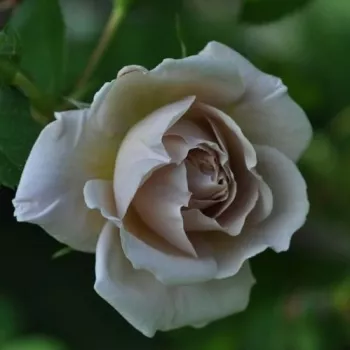
ASCHERMITTWOCH – white-lilac shaded climbing rose – Kordes
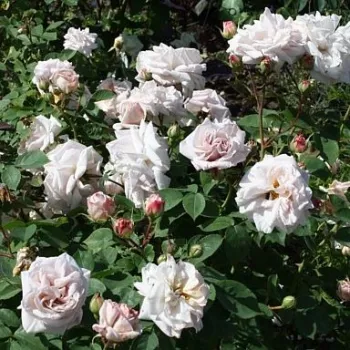
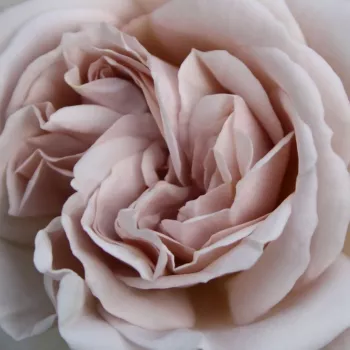
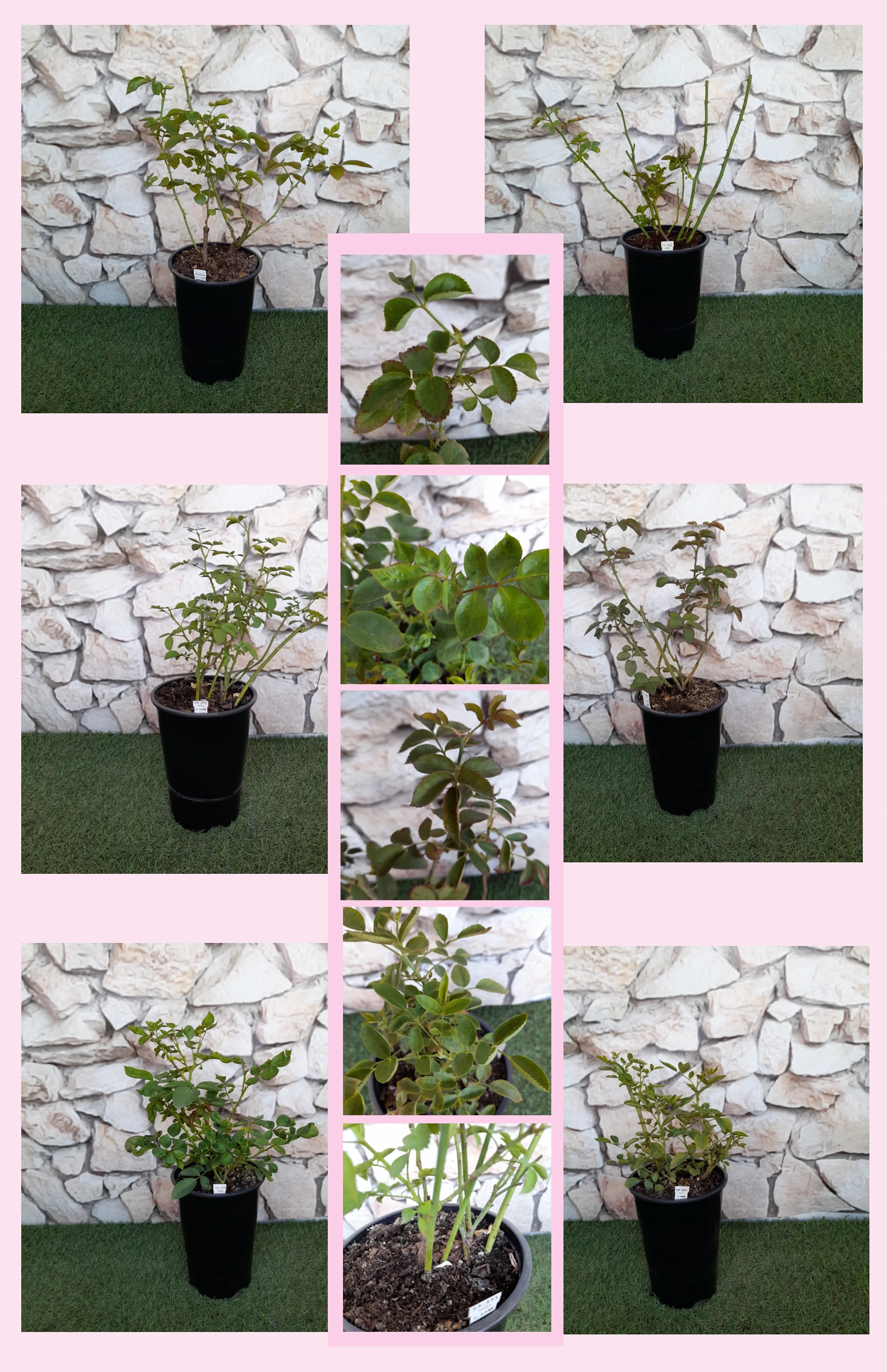
Aschermittwoch is a distinctive large-flowered climbing rose for pergolas and walls, combining romantic character with reassuringly straightforward maintenance in a typical family garden. Its vigorous, upright growth quickly clothes arches and fences, while semi-double, cup-shaped blooms appear in soft silver-grey with a cool lilac sheen, lending a misty, storybook charm to afternoon tea corners and cottage-style paths. The medium, clearly detectable fragrance gives a gentle, nostalgic note, and dense, matt green foliage forms an effective backdrop through the season. Being supplied as an own-root plant, it is naturally long-lived and capable of steady regeneration, so if stems are ever damaged or cut back, the plant can rebuild itself from its own base with stable ornamental quality over many years. Once established, the strong root system anchors well and copes better with typical British breezes and changeable weather in more exposed, wind-prone gardens by the coast, while careful planting and a simple annual tidy keep the display reliably dependable.
Usage options
| Target area |
Reasoning |
| Pergola or arbour for afternoon tea seating |
Ideal where you want a romantic overhead canopy: Aschermittwoch’s vigorous climbing habit reliably covers pergolas and arbours, creating dappled shade and a soft, enveloping space for seating. Its strong structural growth allows flexible pruning without losing the framework, giving beginners confidence to train and tie in stems year by year, while still maintaining an elegant arch. Especially suitable for those seeking a storybook arbour in a cottage-style family garden for relaxed homeowners. |
| Climbing rose on fences and boundary walls |
Use along garden boundaries where you want character as well as coverage, but not a demanding maintenance schedule. Dense, matt green foliage forms a screening backdrop, while repeat flowering brings waves of interest through the season. Own-root growth provides long lifespan and stable appearance, so once settled, you can rely on it as a semi-permanent feature of the garden layout with only modest seasonal care, ideal for busy householders. |
| Feature rose on a house wall or garage |
Perfect for softening the look of plain brick or render, the silver-grey and lilac-toned flowers sit beautifully against masonry without clashing with other colours. The bloom colour reads as sophisticated and understated, suiting both older cottages and newer suburban homes. Because the plant regenerates from its own roots, it can be cut back firmly if needed for painting or repairs, then rebuilt over subsequent seasons, reassuring for practical planners. |
| Traditional cottage-garden border with vertical height |
In mixed borders, the semi-double, cup-shaped flowers add a gentle, old-fashioned presence rather than a showy, formal display. Their soft tones weave easily with perennials and herbs, creating that “girly” cottage look around kitchen gardens and lawn edges. Moderate self-cleaning means occasional deadheading improves repeat bloom, but tasks stay simple, particularly when you accept a more relaxed cottage style, well suited to informal gardeners. |
| Cutting stems for scented indoor arrangements |
Aschermittwoch provides long stems suitable for vases, with flowers large enough to star in informal arrangements. The medium-strength, clearly noticeable fragrance adds a gentle perfume indoors without overwhelming smaller rooms. Because repeat flowering continues across the season, you can cut a few stems at a time without stripping the garden display, suiting those who enjoy bringing the garden into the home, especially creative decorators. |
| Romantic path or driveway entrance |
Trained over entrance arches or between sturdy posts, this climber frames gateways and front paths with a soft, misty colour palette that feels welcoming rather than overpowering. Its dependable flowering habit, once established, makes it easy to plan around, giving a reassuringly regular display from year to year with only moderate feeding and pruning. An appealing choice for first-time owners. |
| Partly exposed, breezy family gardens |
Well suited to more open sites where robust anchoring and resilience matter. Once its root system is established, the plant stands up better to everyday British winds and changeable weather in semi-exposed gardens, especially near the coast, provided you give it a sunny spot and support to climb. Regular watering during prolonged heat helps it cope with drier spells, making it a sound option for coastal residents. |
| Long-term feature in a low-fuss family garden plan |
Chosen as an own-root climber for gardeners wanting investment value: the plant develops roots strongly in its first seasons, then steadily builds top growth, moving towards its full visual effect over the first three years without complex pruning regimes. With moderate disease resistance and medium care needs, it fits into simple, repeatable annual routines, particularly attractive for time-pressed families. |
Styling ideas
- Cottage Archway – Train Aschermittwoch over a metal or wooden arch and underplant with Gypsophila repens ‘Knuddel’ to echo its soft, silvery-lilac blooms – perfect for lovers of romantic entrances and cottage style.
- Kitchen-Garden Backdrop – Let it climb a wire support behind raised vegetable beds, where its dependable repeat flowering and dense foliage frame herbs and salads – ideal for home cooks who enjoy a productive yet pretty plot.
- Soft Boundary Screen – Cover a fence with this vigorous climber and interplant the base with Ajuga reptans to knit ground and height together – suited to family gardens needing gentle privacy without harsh hedging.
- Driveway Welcome – Use paired plants on sturdy posts either side of a drive, creating a fragrant, long-lived feature that dresses the entrance in a subtle silver-grey palette – attractive for homeowners planning long-term kerb appeal.
- Courtyard Feature – In a large 50–60 litre container with trellis, Aschermittwoch becomes a vertical focal point, its fragrance and colour lifting small paved spaces – a good choice for busy urban gardeners wanting impact with few tasks.
Technical cultivar profile
| Trait |
Data |
| Name and registration |
ASCHERMITTWOCH – white-lilac shaded climbing rose – Kordes; large-flowered climber; exhibition climbing rose; ARS exhibition name Aschermittwoch; unregistered cultivar in terms of formal registration. |
| Origin and breeding |
Bred by Reimer Kordes, W. Kordes’ Söhne, Germany, introduced 1955; Rosa rubiginosa-hybrid × ‘Ballet’ and Rosa rubiginosa-hybrid × ‘Fashion’; classic mid‑twentieth‑century climbing introduction. |
| Growth and structural characteristics |
Strong climbing growth, 3.6–5.4 m high, 1.8–3 m spread; densely thorned canes with firm framework; dense, matt green foliage; requires sturdy support and some training for best effect. |
| Flower morphology |
Semi-double, cup-shaped blooms with 13–25 petals; large flowers 2.75–3.95 in, carried mainly in clusters; remontant with a lighter second flush; weak self-cleaning, so benefits from deadheading. |
| Colour data and phenology |
Greyish-white base with lilac, smoky tone; buds silvery grey-lilac; RHS 155C outer, 183D inner; colour brightens then softens, fading faster in strong sun, holding better in cooler weather. |
| Fragrance and aroma |
Medium-strength fragrance with soft, delicate character; clearly perceptible near the plant without being overpowering; suitable for seating areas and entrances where a gentle scent is preferred. |
| Hip characteristics |
May produce some hips but not heavily; spherical orange hips 14–22 mm add late-season interest if spent flowers are left; hips generally secondary to the floral display. |
| Resistance and winter hardiness |
Hardy to about −21 to −18 °C (RHS H7, Swedish zone 3, USDA 6b); drought tolerance moderate, needs water in prolonged heat; disease resistance moderate overall with good black spot resistance. |
| Horticultural recommendations |
Best in sunny positions on pergolas, fences, walls or as specimen climber; medium maintenance; space 1.45–2.65 m depending on use; deadhead and prune annually; suitable for large containers over 40–50 L. |
ASCHERMITTWOCH combines romantic silver-grey blooms, dependable climbing coverage and a gently scented display with the long-lived, regenerating reliability of an own-root rose, making it a thoughtful choice for those planning a lasting garden feature.