ADELAIDE HOODLESS – red park rose – Marshall
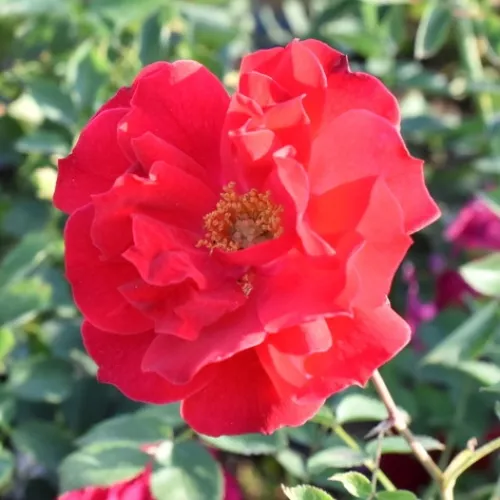
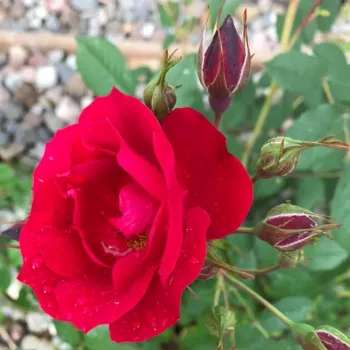
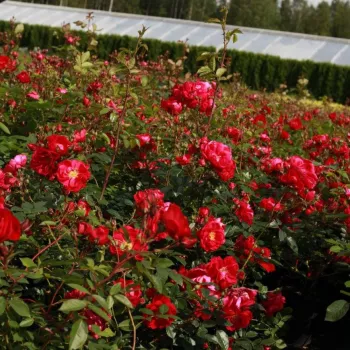
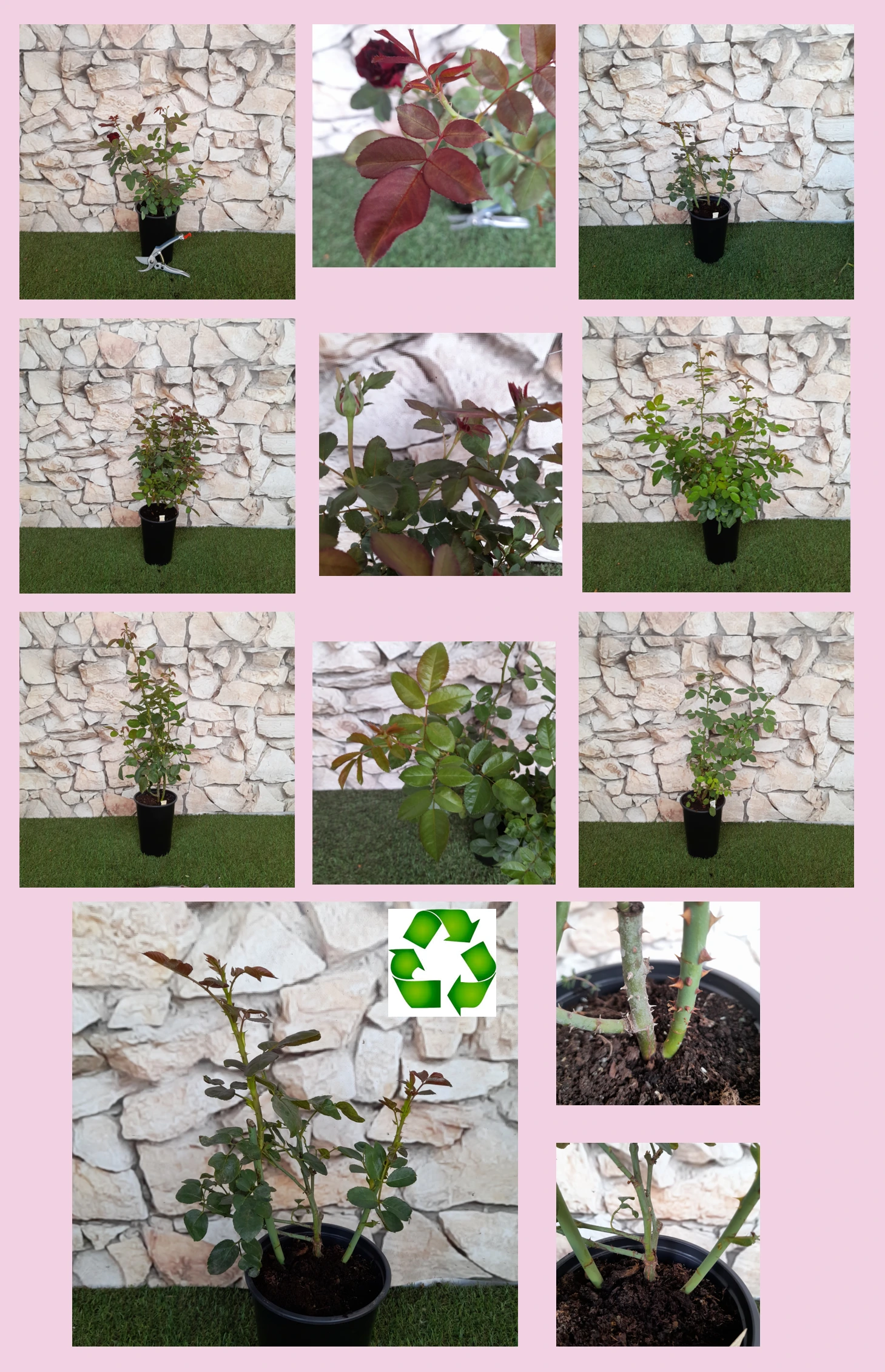
Bring a touch of storybook romance to your family garden with ADELAIDE HOODLESS, a classic red shrub rose that settles in reliably even where soils need improved drainage or raised beds to cope with heavy clay. Its upright, bushy framework and dense, glossy foliage create an easy, ready‑made backdrop for a cottage‑style border, while the uniform, mid‑red clusters give a gently nostalgic glow from early summer onwards. Once established, the shrub offers reassuring hardiness and good tolerance of heat and short dry spells, supporting a relaxed, low‑fuss routine. The compact flower size and self‑cleaning habit keep the plant looking orderly without constant deadheading, and its award‑backed garden merit underlines long‑term reliability. As an own‑root rose it ages gracefully in place, regenerating from the base and preserving its character year after year as roots, then shoots, then full ornamental value build steadily over three seasons.
Usage options
| Target area |
Reasoning |
| Romantic focal shrub near a seating area or arbour |
The upright, rounded habit and dense, dark green foliage create a natural backdrop for mid‑red clusters that read clearly from a distance, ideal beside a bench or pergola for afternoon tea. Own‑root planting means the shrub can mature in place for many years with minimal renewal work, suiting homeowners. |
| Traditional cottage‑style mixed border |
Clustered, semi‑double blooms in a warm mid‑red tone weave easily into a cottage palette of pinks, blues and creams, while the shrub’s strong framework anchors looser perennials. In typical UK gardens where heavy ground often needs improved drainage or raised beds, its robust structure still carries the display well, appealing to beginners. |
| Informal flowering hedge along a boundary or path |
Its 110–190 cm height and spread allow spacing for a softly billowing line of shrubs, giving seasonal privacy and colour without formal clipping. Own‑root plants thicken from the base over time and recover better from hard pruning or accidental damage, a reassuring quality for busy families. |
| Low‑maintenance park or front‑garden feature |
The naturally upright, bushy habit forms a neat, structural mass with moderate self‑cleaning, reducing the need for constant deadheading in visible front gardens. Once established, it tolerates heat and short dry spells, supporting simpler watering routines valued by time‑pressed commuters. |
| Robust winter‑hardy rose for exposed or colder locations |
Bred in Canada and hardy to very low temperatures, this shrub suits chillier or more exposed UK sites where some roses struggle, adding reassurance for long‑term planting plans. Own‑root growth reduces concerns about graft failure and extends the planting’s useful lifespan for cautious planners. |
| Colour accent in a kitchen or cutting garden |
The compact, cluster‑flowered stems give small but numerous mid‑red blooms that work well as informal posies for the kitchen table. Regular picking doubles as light pruning, encouraging strong repeat flushes through the season, a satisfying routine for hands‑on gardeners. |
| Larger container or half‑barrel near the patio |
Planted in a generously sized container of at least 40–50 litres, the upright shrub form and glossy foliage make a solid patio focal point. Own‑root plants respond well to occasional renewal pruning, so the same pot can host a long‑lived specimen that suits terrace‑focused residents. |
| Structured backdrop for grasses and perennials |
The dark, lustrous foliage and clear red flower clusters sit well behind airy grasses and perennials, allowing you to layer textures without losing definition. The plant’s long life on its own roots supports stable, repeatable schemes that evolve gently rather than needing frequent replacement, pleasing thoughtful designers. |
Styling ideas
- Cottage‑hedge – Line a low boundary with evenly spaced shrubs, underplant with catmint and lady’s mantle to soften the base – ideal for family gardeners wanting a classic front‑of‑house welcome.
- Kitchen‑corner – Place one shrub near a vegetable plot, with chives, calendula and herbs echoing the warm reds and greens – suits those who enjoy cutting small home‑grown posies.
- Gravel‑rose – Set in a free‑draining gravel strip with blue globe thistle and fountain grass for contrast – good for urban owners coping with heavy soil elsewhere in the garden.
- Arbour‑companion – Use as a pair flanking an arbour, with climbers overhead and low geraniums beneath – for romantically minded buyers seeking an afternoon‑tea focal point.
- Patio‑barrel – Grow a single shrub in a half‑barrel of at least 50 litres, mixing trailing thyme and calamint around the edge – perfect for small‑space terraces needing a long‑lived accent.
Technical cultivar profile
| Property |
Data |
| Name and registration |
ADELAIDE HOODLESS, park shrub rose; ARS exhibition name Adelaide Hoodless. Commercially listed as ADELAIDE HOODLESS – red park rose – Marshall; shrub group, park‑shrub commercial class. |
| Origin and breeding |
Bred by Dr Henry H. Marshall at Agriculture and Agri‑Food Canada, Morden Research Station, from ‘Fire King’ floribunda × (‘J.W. Fargo’ × ‘Assiniboine’) seedling; introduced and registered in 1973. |
| Awards and recognition |
Holds the RHS Award of Garden Merit, indicating reliable garden performance, sound ornamental value and broad adaptability under ordinary cultivation in typical British garden conditions. |
| Growth and structural characteristics |
Strong, upright shrub 110–190 cm high and wide, with dense, dark green, glossy foliage and moderate prickliness; forms a bushy, self‑supporting framework suitable for borders, hedging and specimen use. |
| Flower morphology |
Semi‑double, flat flowers with 13–25 petals, produced in clusters on branching stems; small blooms (around 0.5–1.5 in) with remontant habit and notably abundant second flush after the main summer flowering. |
| Colour data and phenology |
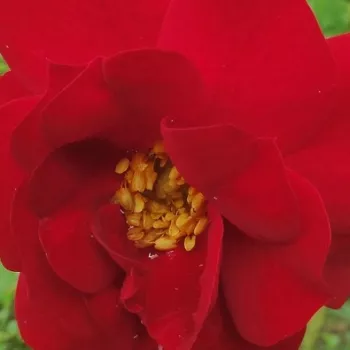
Uniform medium red (RHS 53B outer, 53A inner); buds deep velvety red, opening to bright mid‑red that may lighten slightly in heat, taking on a soft raspberry tone as it ages across repeated seasonal flushes. |
| Fragrance and aroma |
Fragrance is very weak, with only a delicate rosy character detectable at close range; chosen primarily for colour impact and shrub structure rather than for strong scent or pollinator‑attracting attributes. |
| Hip characteristics |
Usually sets few hips; occasional ovoid, orange‑red fruits 7–13 mm across provide modest late‑season interest, but overall seed set and ornamental hip display are expected to be limited on most plants. |
| Resistance and winter hardiness |
Extremely hardy (approx. −43 to −40 °C; RHS H7, Swedish Zon 7, USDA 2b). Good tolerance of heat and moderate drought when established; disease profile includes resistance to black spot but sensitivity to mildew and rust. |
| Horticultural recommendations |
Best in full sun with well‑prepared soil and good air flow; suit beds, hedges, parks, urban greens and cutting. Requires regular protection in areas prone to mildew and rust; spacing 90–165 cm depending on use. |
ADELAIDE HOODLESS offers hardy, long‑lived shrub structure, own‑root resilience and generous repeat mid‑red flowering for relaxed cottage gardens and family borders; consider it where you want enduring colour with straightforward care.