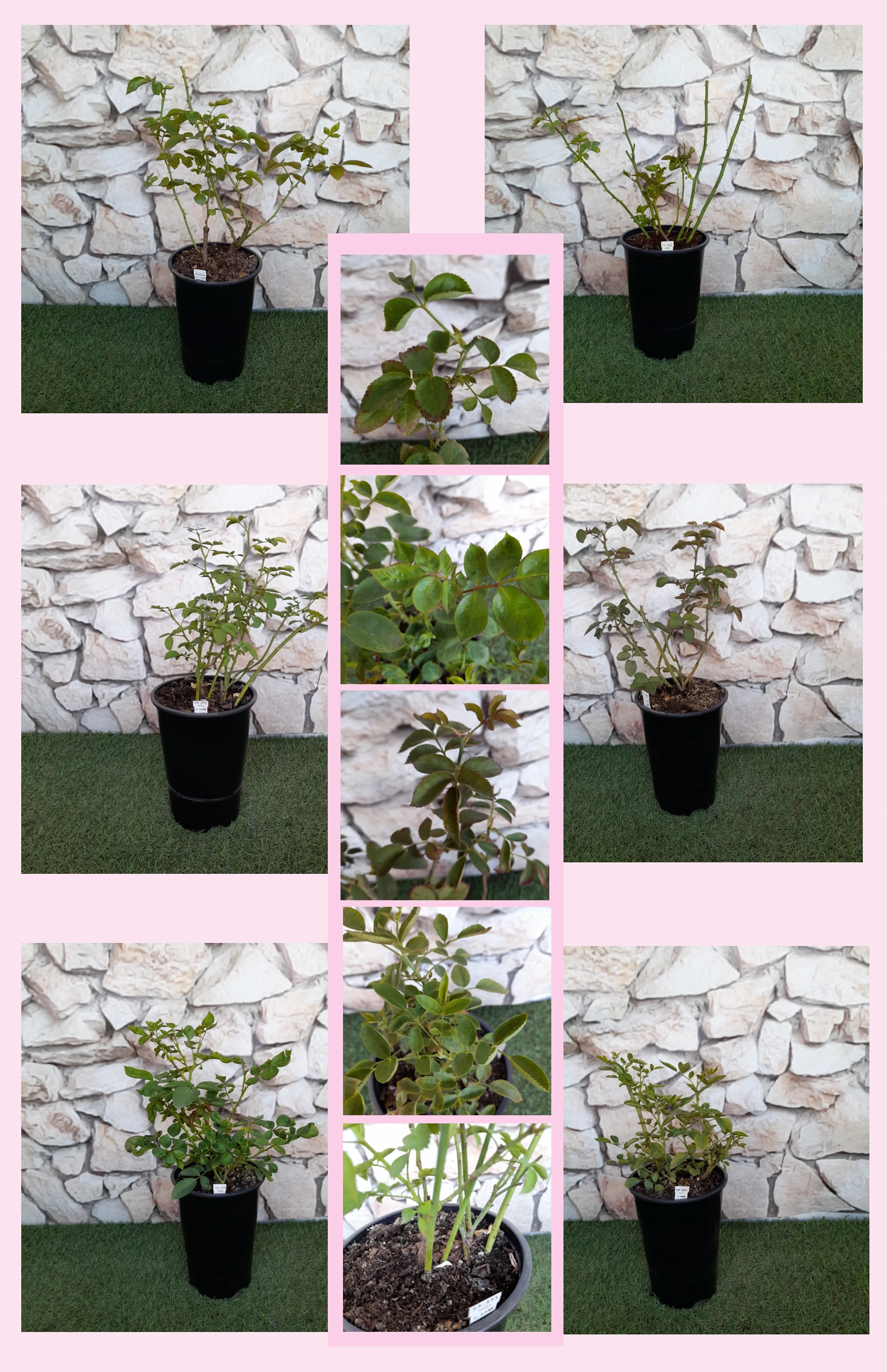
Zebrina™ climbing rose – pharmaROSA® ORIGINAL 2-litre own-root
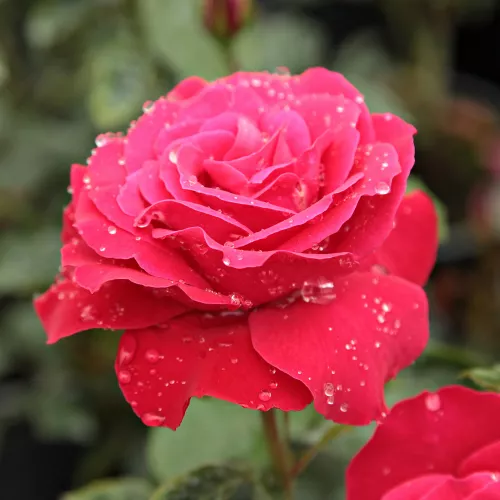
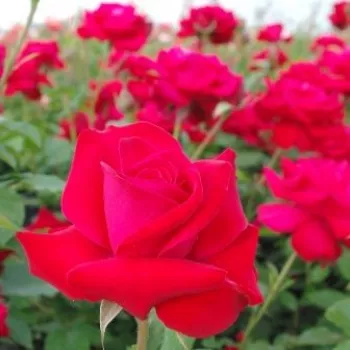
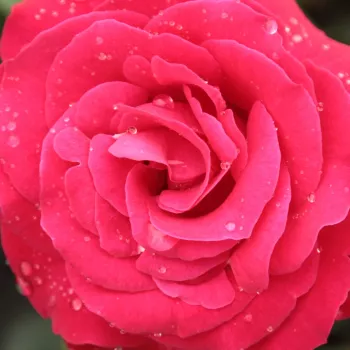
For a romantic, storybook arch or arbour, Zebrina™ brings richly red, medium-sized blooms and a relaxed climbing habit that suits cosy family gardens. Its dense, dark green foliage clothes arches, pergolas and fences generously, helping your outdoor space feel instantly more intimate. Once planted, this own-root climber establishes steadily and, over the years, forms a long-lived framework that can be refreshed simply by pruning out older stems when needed, supporting reliable longevity without complex routines. Medium fragrance with a pleasant, spicy character adds another layer of charm to summer afternoons, while its remontant flowering gives repeated flushes after the main peak for lasting colour. Although it has medium disease resistance, straightforward care and deadheading are usually enough to keep it presentable in typical British conditions. Ideal for pergolas and arches where you want a snug, cottage feel and, with thoughtful siting, it copes well with gardens that regularly face stronger winds and showers. As an own-root rose, any frost or pruning damage is followed by strong regrowth from below, preserving its shape and character for the long term and keeping ornamental value steady in everyday use. Over time, this creates an enveloping, lived-in effect that frames your favourite garden moments.
Usage options
| Target area | Reasoning |
|---|
| Pergola over seating area |
Zebrina™ reaches 200–300 cm with dense foliage, making it well suited to clothing a pergola and creating a shaded, intimate nook. Its long-lived, own-root framework responds well to renewal pruning, so once trained it can stay for decades with modest care – ideal for a relaxed, romantic corner for the afternoon-tea-lover. |
| Rose arch at garden entrance |
The medium-height climbing habit and medium-sized, cup-shaped red blooms create a classic, welcoming arch without overwhelming a small to medium front garden. With regular tying-in and occasional deadheading, it provides dependable repeat flowering and a strong cottage-garden first impression for the style-conscious-homeowner. |
| Screening along a fence |
Its 60–120 cm spread per plant and dense, slightly glossy foliage make Zebrina™ effective for softening boundaries. Planted at the recommended spacings, it forms a leafy, flowering screen that is easier to manage than very vigorous climbers, suiting the tidy yet informal tastes of the family-gardener. |
| Framing a garden gate |
The medium growth strength and manageable height allow you to frame a gate or side entrance without excessive pruning. Own-root resilience means any winter or pruning mishaps are followed by reliable regrowth, preserving the arching lines that give a homely, storybook feel for the cottage-garden-enthusiast. |
| Wall-trained accent near patio |
Trained against a sunny wall, Zebrina™ offers repeated flushes of vibrant red flowers with a pleasant, spicy fragrance close to seating or dining spaces. Its remontant habit extends interest beyond the first bloom, delivering colour and scent for relaxed evenings for the patio-entertainer. |
| Small family garden feature pillar |
Growing to around 2–3 m, it can be spiralled around a slim obelisk or pillar to create vertical interest without taking much ground space. The own-root structure quietly thickens and stabilises over time, giving a durable, easy-to-maintain focal point for the busy-urban-gardener. |
| Mixed cottage border backdrop |
Placed at the back of a border, its red clusters and dark foliage form a romantic backdrop to perennials and kitchen-garden planting. In an average British plot, year 1 is for root establishment, year 2 for building the main framework, and year 3 for that full, enveloping ornamental presence appreciated by the patient-rose-lover. |
| Coastal or exposed family plots |
Where gardens are open to wind and frequent rain, Zebrina™ works best when given a sturdy support and well-prepared soil so its climbing stems can anchor securely; with this in place, it provides reliable cover and colour in changeable weather for the practical-garden-planner. |
Styling ideas
- Kitchen-porch arch – Train Zebrina™ over a simple timber arch leading from house to kitchen garden, underplanting with herbs and Lonicera pileata for soft, evergreen edges – for traditional kitchen-garden keepers.
- Storybook pergola – Clothe a small pergola with Zebrina™ on two posts, filling the base with Pachysandra and Ajuga for low, glossy groundcover that suppresses weeds – for families wanting an easy, cosy retreat.
- Red-and-green contrast – Use Zebrina™ against a pale fence with dark-leaved shrubs and clipped hedging in front, letting its vibrant red blooms punctuate the greenery – for those who enjoy classic, structured cottage borders.
- Gate-side welcome – Plant one on either side of a garden gate, tying shoots along curved supports to form a soft arch, pairing with white perennials to highlight the red blooms – for homeowners who like a friendly, traditional entrance.
- Vertical-corner focus – In a small garden corner, spiral Zebrina™ up a sturdy obelisk emerging from an evergreen groundcover carpet, adding height without cluttering paths – for space-conscious urban gardeners.
Technical cultivar profile
| Parameter | Data |
|---|
| Name and registration |
Zebrina™ Climbing rose pharmaROSA®; climber group, commercial red climbing rose for garden use; exhibition category unknown; registered cultivar name and official ARS exhibition name not recorded. |
| Origin and breeding |
Parentage is undocumented; discovered and selected by pharmaROSA®. Introduction, registration and breeding years are not available, but it is offered as an own-root, verified cultivar for garden planting. |
| Growth and structural characteristics |
Climbing growth habit, typically 200–300 cm high with a 60–120 cm spread. Forms dense, dark green, slightly glossy foliage on moderately thorny stems; requires support and training for best ornamental effect. |
| Flower morphology |
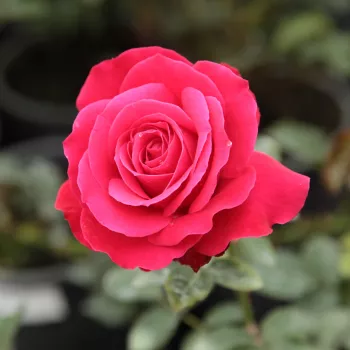
Medium-sized, double, cup-shaped flowers with 26–39 petals, usually in clusters. Remontant, with a main flush followed by lighter repeat flowering; spent blooms often remain and benefit from occasional deadheading. |
| Colour data and phenology |
Vibrant mid-deep red overall; newly opened blooms vivid scarlet with raspberry tones. Colour softens through scarlet–raspberry to brick–mahogany shades before fading; overall colour retention is rated as poor. |
| Fragrance and aroma |
Medium-strength fragrance with a distinctly pleasant, spicy character. Best appreciated near seating, paths or entrances where air movement can carry scent; primarily an ornamental rose rather than a cutting or culinary type. |
| Hip characteristics |
Expected to form a modest number of small, spherical hips, approximately 9–15 mm in diameter. Hips colour bright red, adding a discrete touch of late-season interest without dominating the overall display. |
| Resistance and winter hardiness |
Rated for USDA zone 6b, RHS H7, Swedish zone 3; tolerates approximately –21 to –18 °C. Disease resistance is medium to main foliar pathogens, so occasional monitoring and standard rose care are recommended. |
| Horticultural recommendations |
Best on pergolas, arches, fences, gates and walls at 140–250 cm spacing. Plant 0.4–0.5 plants/m² for coverage. Medium maintenance: tie in new growth, prune annually and deadhead to manage shape and flowering. |
Zebrina™ Climbing rose pharmaROSA® offers medium-height, fragrant red blooms and dense foliage on a long-lived, own-root framework that recovers well from pruning, making it a thoughtful choice for relaxed cottage-style gardens.