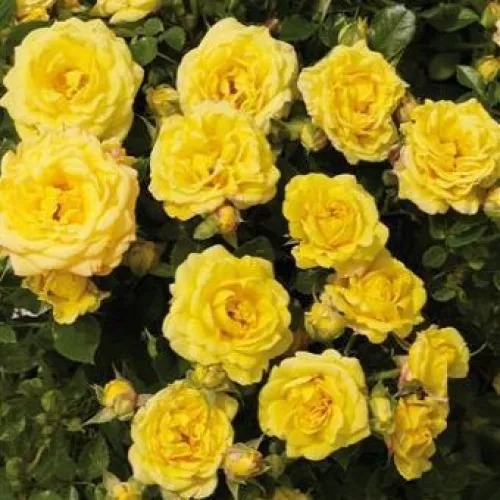
GLAUCA CARMENETTA – mauve-pink park rose – Preston
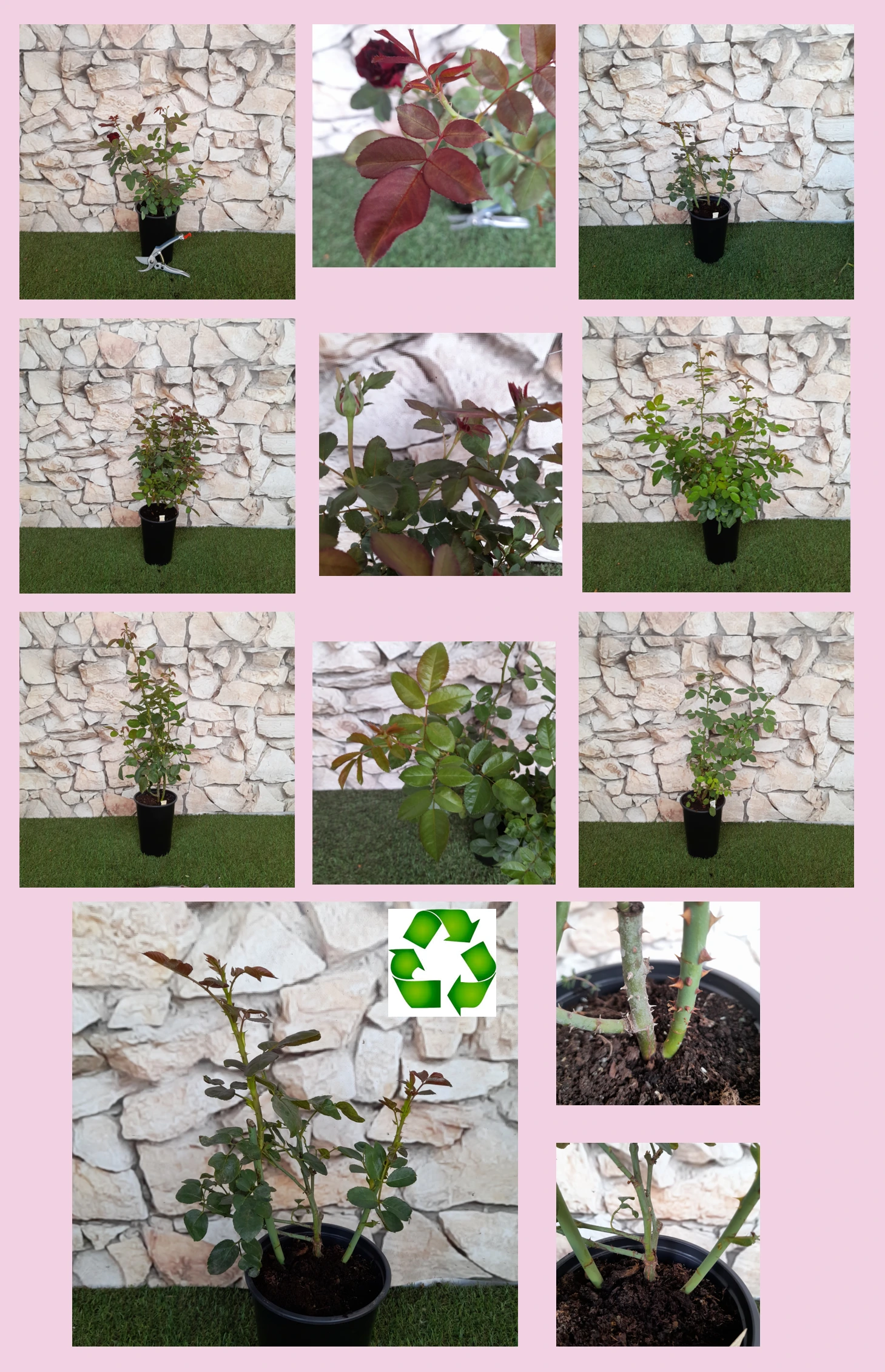
Choose GLAUCA CARMENETTA for a gently arching, storybook rose that slips into everyday family life with disarming ease. Its tall, bushy habit and mauve‑pink, once‑a‑year flower display create a soft backdrop for afternoon tea corners, cottage‑style paths and relaxed, informal hedges. On tough sites it copes well with breezy, open aspects and heavier soils when planted with sensible drainage in mind, offering reassuring stability for long‑term planting plans. As an own‑root shrub, it matures steadily into a durable framework that recovers well after pruning and weather, helping you enjoy consistent structure and colour with modest effort. In the first year it focuses on roots, the second on framework growth, and by the third season it settles into its full ornamental presence. Its matt grey‑green foliage brings a refined contrast to kitchen‑garden planting, while the mild, restrained fragrance lends a subtle romance without overwhelming nearby seating. Once flowering finishes, self‑cleaning blooms and occasional dark red hips add quiet interest deep into autumn.
Usage options
| Target area | Reasoning |
|---|
| Romantic hedge along a garden boundary |
The tall, bushy habit with arching branches forms a soft, semi‑informal hedge that screens neighbouring views while still feeling light and airy. Once it has settled, the framework is long‑lived and resilient, so you can treat it as a permanent structure rather than a short‑term filler, suiting those who value enduring, traditional planting choices for a family boundary hedge‑lovers |
| Feature shrub near a terrace or seating area |
Planted as a specimen, its mauve‑pink, single flowers and matt grey‑green foliage create a cool, calm focal point beside a terrace or lawn seating. Because it flowers in a concentrated flush, you gain a defined “rose season” to enjoy from your chairs without ongoing deadheading, while the mild fragrance stays unobtrusive around food and drink, ideal for relaxed afternoon tea settings terrace‑owners |
| Cottage‑style backdrop in a mixed border |
This shrub’s height and airy branching make an excellent background curtain for traditional perennials and herbs, giving a cottage‑garden feel without constant grooming. Its self‑cleaning blooms drop petals neatly, so you spend less time tidying among underplanting, and the once‑blooming show still anchors the romantic mood of early summer in an English‑style border cottage‑gardeners |
| Low‑input urban planting strip or front garden |
Urban‑tolerant and happy in drier, nutrient‑poorer, semi‑shaded spots with adequate air circulation, it fits front gardens and streetside beds where maintenance time is limited. Own‑root plants handle light pruning, accidental knocks and periodic dryness better, so the shrub keeps its shape and ornamental value with only occasional attention across the years, suiting busy householders city‑residents |
| Kitchen garden or utility area accent |
The matt grey‑green foliage pairs beautifully with vegetables, herbs and structural edibles, giving a soft, ornamental frame without competing strongly for attention. After flowering, occasional dark red hips add a seasonal note that links decorative and productive areas, and the sturdy root system anchors beds that are regularly cultivated or lightly re‑arranged, helping keep the layout coherent kitchen‑gardeners |
| Informal screen for sheds, compost or service corners |
Its height and density are ideal for cloaking practical features such as sheds, oil tanks or compost bays, masking hard edges behind a light, arching screen. Because the rose builds a permanent woody framework, you are not forced to replant often, and own‑root growth means that, even if cut back more firmly, it refills the space dependably over time in ordinary family gardens practical‑planners |
| Naturalistic group planting in larger beds |
Planted at the recommended spacing, groups of these shrubs create a naturalistic thicket effect, perfect for looser, park‑like corners of a family plot. Their moderate disease resistance, self‑cleaning flowers and reliable hardiness mean that, once established, a small group can be left largely to its own devices, giving soft structure with minimal intervention beyond periodic shaping low‑maintenance‑seekers |
| Large container or half‑barrel near an arbour |
In a substantial 40–50 litre container, it offers height and a veil of foliage to flank an arbour or bench where soil conditions are difficult. Container planting lets you provide the drainage and irrigation it prefers, while the strong own‑root system anchors the plant securely and recovers well if pruning or wind damage is needed, ideal for those shaping romantic seating corners arbour‑dreamers |
Styling ideas
- Cottage‑HEDGE – Run a loose hedge of GLAUCA CARMENETTA along a front boundary, weaving in foxgloves and catmint for a soft, storybook entrance – suited to cottage‑style family homes.
- TEA‑CORNER – Place a specimen behind a small bistro set, underplanting with lavender and hardy geraniums to frame a gentle afternoon tea spot – ideal for romantic terrace seating.
- KITCHEN‑FRAME – Use one or two shrubs to bookend raised vegetable beds, echoing grey‑green foliage with herbs such as sage and thyme – attractive for informal kitchen gardens.
- PARK‑GROUP – Plant a loose trio in a lawn island with ornamental alliums and airy grasses for a naturalistic, low‑care focal point – perfect for larger family lawns.
- URBAN‑SCREEN – In a sunny, breezy front garden, combine this shrub with drought‑tolerant perennials like cypress spurge to screen bins or parking – fitting for busy townhouses.
Technical cultivar profile
| Parameter | Data |
|---|
| Name and registration |
Shrub rose, commercial type park rose, current trade name GLAUCA CARMENETTA – mauve‑pink park rose – Preston; ARS exhibition name ‘Carmenetta’; unregistered cultivar in the botanical rose collection. |
| Origin and breeding |
Hybrid of Rosa glauca × Rosa rugosa, bred by Isabella Preston at Agriculture Canada’s Central Experimental Farm; introduced in 1923 in Canada as a hardy, landscape‑orientated botanical shrub rose. |
| Growth and structural characteristics |
Tall, bushy shrub with upright, arching branches, 240–360 cm high and 160–260 cm wide; moderately dense, matt grey‑green foliage; moderately thorny shoots; good self‑cleaning of spent flowers, hips retained. |
| Flower morphology |
Small, single flowers with 5–12 petals, flat and cluster‑flowered; size S (approximately 0.5–1.5 inches); non‑remontant, providing one main flowering period rather than repeated flushes through the season. |
| Colour data and phenology |
Clear, medium‑light mauve‑pink blooms with a subtle lilac cast; buds deep mauve‑pink, softening to pastel pinkish‑lilac as they age; colour lightens more quickly in strong sun; ARS colour code m, RHS 73C–73D. |
| Fragrance and aroma |
Mild, restrained scent with a soft, elegant character; suitable near seating where a gentle, unobtrusive perfume is preferred; not intended as a strong fragrance variety but adds a refined background note. |
| Hip characteristics |
Rose‑hip set generally sparse, but where present produces small spherical hips, roughly 12–18 mm across, in a dark red shade that adds discrete seasonal interest after flowering has finished. |
| Resistance and winter hardiness |
Very hardy shrub, tolerating approximately −40 to −37 °C (RHS H7, Swedish zone 6, USDA 3a); moderate heat and drought tolerance with watering in prolonged dry spells; moderate disease resistance, black spot susceptible. |
| Horticultural recommendations |
Best as park, specimen or hedge shrub, also suitable for urban green spaces and ornamental hips; prefers sunny, airy positions; maintenance medium, with extra attention in shaded, damp or poorly ventilated locations. |
GLAUCA CARMENETTA offers a tall, romantic shrub with soft mauve‑pink bloom displays, durable structure and own‑root resilience, making it a thoughtful choice for long‑term, easy‑care hedges or cottage borders you plan to enjoy for years.