WILLIAM CHRISTIE™ – pink nostalgia rose – Massad
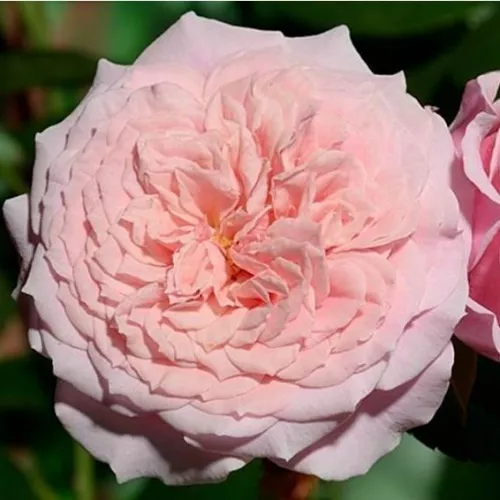
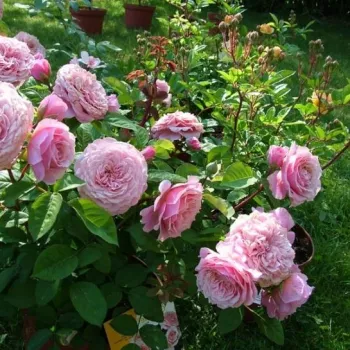
Allow William Christie™ to bring a romantic cottage feel to your garden, with nostalgic rosette blooms in a refined mid‑pink that soften gently as they age. This bushy shrub forms a generous, bushy presence over time, combining very double, exhibition‑quality flowers with a strong citrus‑myrrh fragrance ideal for afternoon tea corners and storybook arbours. Bred for reliable health, it offers robust resistance to common rose diseases, simplifying care in typical British conditions, even where winds and rain frequently sweep in from the coast for added resilience. As an own‑root plant, it builds up gradually into a long‑lived garden feature, capable of regenerating from the base after hard pruning and keeping its shape without complex techniques. Container‑grown in a practical 2‑litre size, it is easy to handle and plant almost any time the ground is workable, settling into both borders and larger pots with reassuring stability and dependable performance.
Usage options
| Target area | Reasoning |
|---|
| Romantic feature in a family flowerbed |
The tall, bushy shrub structure and very double rosette blooms give an immediate romantic focus in mixed borders, while its remontant habit means a generous second flush later in the season for extended display suitable for beginner gardeners. |
| Cottage-style hedge or backdrop |
With a mature height around 130–190 cm and good width, it lends itself to loose, traditional hedging; repeated spacing along a boundary creates a soft, nostalgic screen that frames lawns and play areas for owners of family gardens. |
| Statement rose under an arbour or arch |
Placed near an arbour or pergola, its strong citrus‑myrrh scent and mid‑pink flowers enhance the experience of sitting outdoors; the shrub form anchors the structure visually without demanding intricate training from time‑pressed homeowners. |
| Large container on terrace or patio |
Suited to deep, stable planters of at least 40–50 litres, it grows into a substantial, well‑rooted shrub, its own‑root constitution supporting long life and recovery if cut back, ideal where permanent beds are limited for urban balcony and patio users. |
| Low-intervention rose border on heavier soils |
Good disease resistance reduces spraying needs, and in heavy clay gardens it thrives when planted into improved soil or raised beds that encourage drainage, easing long‑term upkeep for busy hobby gardeners. |
| Cut flowers for the house |
The large, very double blooms with classic rosette form and strong fragrance make characterful cut stems; repeated flowering allows regular picking without exhausting the plant, adding indoor charm for lovers of traditional arrangements. |
| Long-term structural rose in a small garden |
As an own‑root shrub it builds roots strongly in the first year, extends shoots in the second, and usually reaches full ornamental presence by the third, remaining stable in shape for planners of long-lived gardens. |
| Flexible shrub for informal pruning styles |
The bushy habit and vigorous regrowth from the base mean it tolerates both light annual shaping and harder rejuvenation cuts, letting you adjust height and spread as spaces change, which suits practical home gardeners. |
Styling ideas
- Cottage-Romantic Border – Combine with soft blues like scabious and airy calamint to echo its nostalgic rosettes and fragrance – ideal for lovers of English countryside cottage style.
- Kitchen-Garden Charm – Plant near herbs and vegetables so scented blooms frame paths and picking beds – perfect for those who like a productive yet pretty kitchen garden.
- PastelArbour Retreat – Position by a bench or arbour with pale foxgloves and white lychnis for afternoon tea ambience – suited to homeowners creating a cosy seating nook.
- Front-Garden Welcome – Use as a feature by the front gate or path, underplanted with low catmint, to greet visitors with scent and classic pink roses – attractive to families wanting a traditional first impression.
- PatioShowpiece Pot – Grow in a generous terracotta tub with trailing thyme or lobelia, letting blooms and perfume soften hard paving – great for urban gardeners working mainly with paved spaces.
Technical cultivar profile
| Property | Data |
|---|
| Name and registration |
William Christie™ Générosa® MASwicri, ARS exhibition name William Christie®, registered cultivar MASwicri, nostalgia-type Romantic shrub rose in the Générosa® collection. |
| Origin and breeding |
Bred by Dominique Massad for Roseraies Pierre Guillot, France; cross of ‘Versigny’ with an unknown seedling; introduced and registered in 1998 after selection in 1997. |
| Growth and structural characteristics |
Bushy shrub reaching about 130–190 cm high and 110–170 cm wide, with moderately dense, mid‑green, slightly glossy foliage and moderate prickliness on the shoots. |
| Flower morphology |
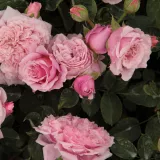
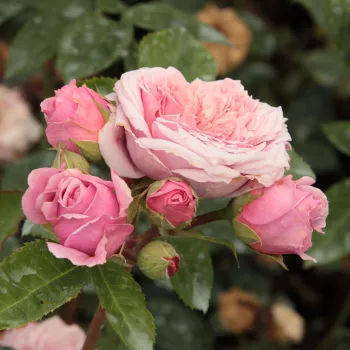
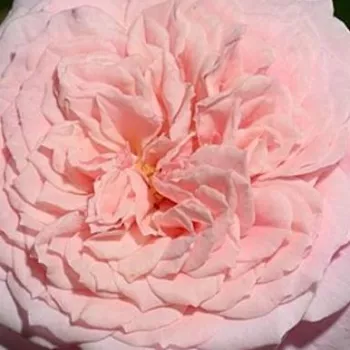
Large, very double rosette blooms with over 40 petals, typically borne in clusters; remontant, with a notable second flush of flowers for extended seasonal interest. |
| Colour data and phenology |
Uniform mid‑pink with a subtle coral tone; buds deeper pink, opening to powder‑pink centres; colour gradually lightens, petals veiled in soft, almost whitish pink at full maturity. |
| Fragrance and aroma |
Pronounced, complex scent combining citrus brightness with warm myrrh notes; strong enough to notice at close range and ideal for seating areas where fragrance is appreciated. |
| Hip characteristics |
Rose hips form only occasionally due to the very double flowers; when present, they are small spherical red hips about 9–15 mm in diameter, adding modest late‑season detail. |
| Resistance and winter hardiness |
Good resistance reported to powdery mildew, black spot and rust; hardy to approximately −21 to −18 °C (RHS H7, Swedish zone 3, USDA zone 6b) with normal garden care. |
| Horticultural recommendations |
Best in full sun with improved, well‑drained soil; plant roughly 85–155 cm apart depending on hedge or specimen use, and prune flexibly from light shaping to harder rejuvenation. |
William Christie™ offers romantic, fragrant, repeat-flowering shrubs with strong disease resistance and long-term own-root resilience, making it a thoughtful choice for gardeners seeking enduring cottage-style charm.