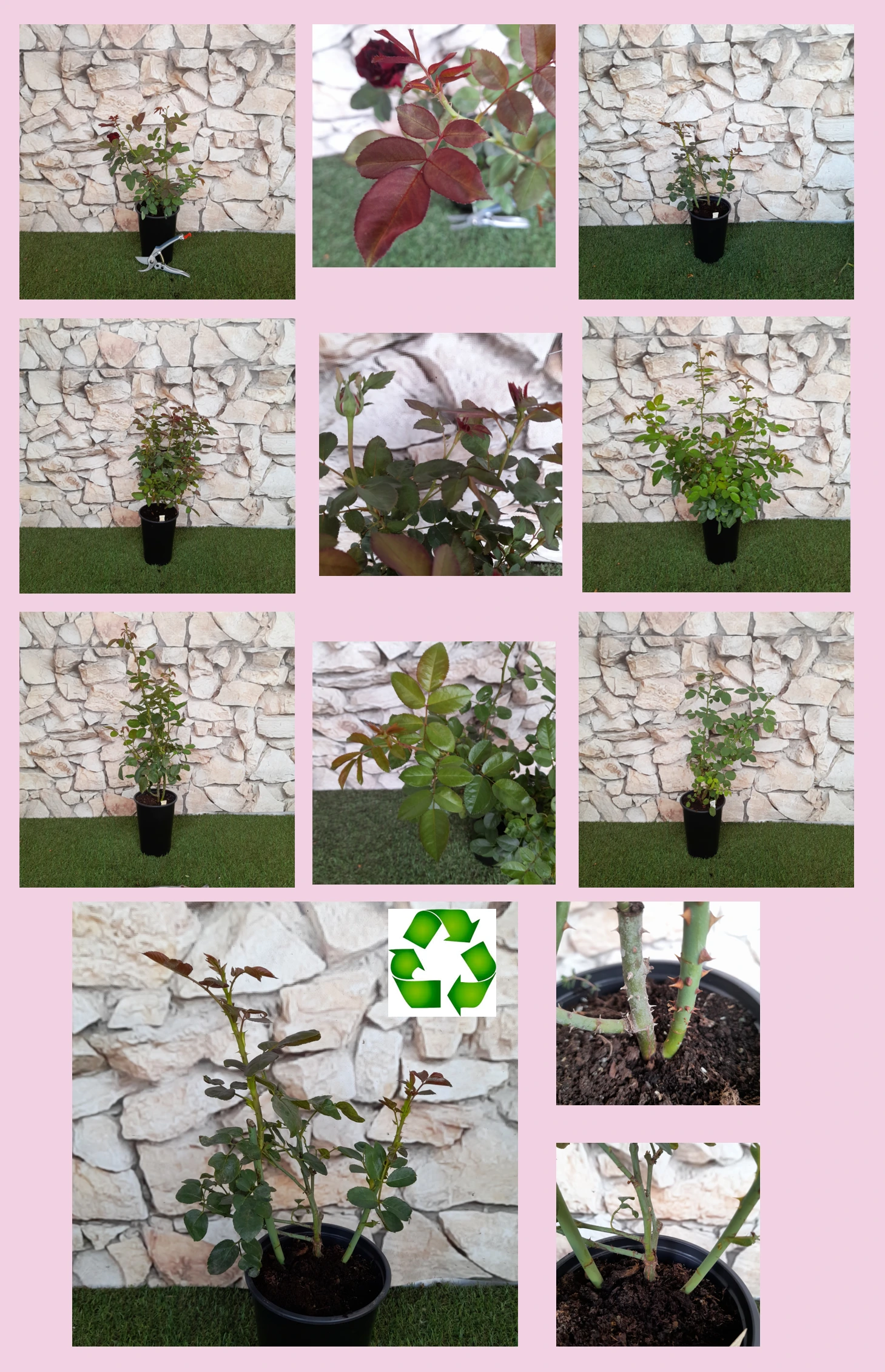
WILDFIRE® – orange hybrid tea rose – JACdouce
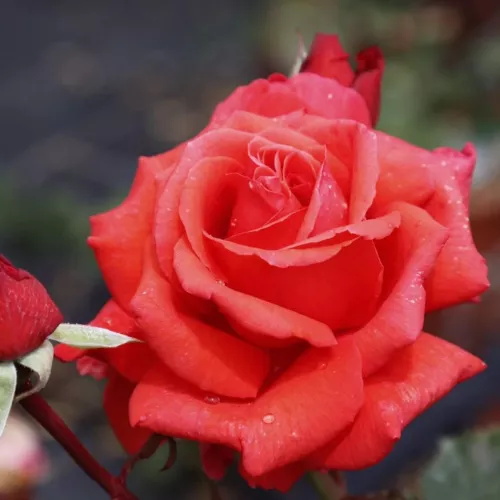
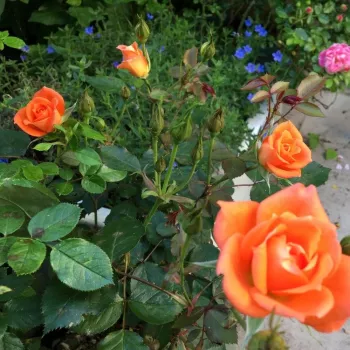
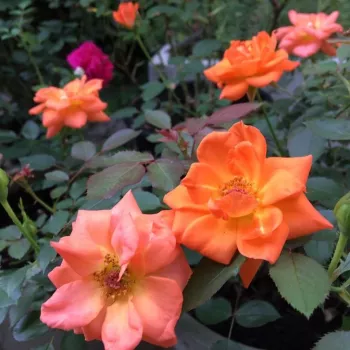
Let the intense blooms of WILDFIRE® bring a touch of romance to an everyday family garden, creating that storybook feeling of afternoon tea beneath an arbour. This tall, upright hybrid tea builds an elegant framework over time, its dense, glossy foliage giving a rich green backdrop to glowing, coral-scarlet flowers. The large, high-centred blooms open one to a stem, mirroring classic florist roses yet remaining reassuringly gardenworthy for borders, mixed cottage beds and generous pots from around 40–50 litres. Its vivid, flame-like colour holds well in unsettled British weather, coping reliably with coastal rain and wind when given good soil preparation. Strong repeat flowering brings fresh buds from summer into autumn with minimal deadheading, offering sustained ornamental impact without demanding intricate pruning. As an own-root plant it is naturally long-lived, able to regenerate from the base, keeping its shape and floral display stable over the years. You can simply plant, water in well, and enjoy a straightforward development arc – roots in the first year, stronger shoots in the second, and full ornamental value by about the third – a quietly dependable choice for busy gardeners who still want generous hybrid tea luxury.
Usage options
| Target area | Reasoning |
|---|
| Main focal rose in a family flower bed |
The tall, upright habit and dense foliage give WILDFIRE® real presence, so a single plant can anchor a small to medium front or back garden bed. Large, high-centred blooms read clearly from a distance, adding structure and focus for those who like classic roses but prefer straightforward care, especially beginners. |
| Romantic cottage-style border |
The vivid, flame-like orange flowers shift through coral-scarlet to brick-peach pink, fitting beautifully with soft cottage companions such as salvias, catmint or lavender. This evolving colour range keeps borders interesting for months, suiting gardeners who want a romantic look without continually replanting, particularly cottage-garden owners. |
| Cutting garden and home arrangements |
High-centred, pointed buds on long, straight stems echo exhibition hybrid teas, making this rose ideal for cutting and bringing indoors. Frequent repeat flushes ensure you can harvest flowers while still leaving plenty on the plant, which appeals to those who enjoy home-grown bouquets but lack time for demanding specialist varieties, notably flower-lovers. |
| Feature rose in large containers (40–50 L+) |
Planted in a substantial container from around 40–50 litres, WILDFIRE® becomes a striking focal point on patios, roof terraces or beside a seating area. Own-root resilience and an upright, tidy structure make it easier to manage in pots over several seasons, ideal for townhouses and compact plots used by busy urban gardeners. |
| Low, semi-formal flowering hedge |
The recommended planting distances allow WILDFIRE® to knit into a loose hedge, its glossy dark foliage forming a continuous screen with repeated flushes of bright blooms. This delivers both privacy and colour, a good fit for family boundaries where owners want a traditional look without a high-maintenance clipped hedge, suiting homeowners. |
| Mixed border on heavier or challenging soils |
Once established, the strong own-root framework helps the plant cope better with ordinary British garden conditions, including heavier clays improved with organic matter and good drainage. This offers reassurance if your soil is less than perfect and you need shrubs that anchor the bed reliably over time, especially for practical-minded gardeners. |
| Long-term structural rose in a small garden |
As an own-root shrub it can regenerate from the base after hard pruning or weather damage, so the plant maintains its ornamental value year after year. This long lifespan and flexibility suit compact gardens where every shrub must earn its place and replacement is inconvenient, particularly for cost-conscious families. |
| Easy-care rose for busy lifestyles |
Moderate maintenance needs, repeat flowering and the option of simpler pruning (such as annual shortening and removal of old stems) reduce ongoing tasks. Tidy, glossy foliage and the ability to cope with breezy, rainy sites when planted well mean you can enjoy colour without constant fuss, making it ideal for time-poor hobbyists. |
Styling ideas
- Sunset Border – Combine WILDFIRE® with apricot and soft yellow perennials to echo its colour shift through the season – perfect for those wanting a warm, evening-glow cottage bed.
- Tea-Terrace – Plant one rose in a generous 50–60 litre container with trailing thyme and lobelia to flank a bistro set – ideal for small patios used for relaxed afternoon tea.
- Kitchen-Path – Line a garden path with WILDFIRE® and herbs like sage and chives, blending cut flowers and edibles – appealing to rural kitchen-garden enthusiasts.
- Storybook Hedge – Create a loose flowering screen interplanted with lavender or catmint to soften the base – suited to families seeking a traditional yet informal boundary.
- Front-Garden Focus – Use a single plant near the front door with white foxgloves and blue geraniums for contrast – ideal for homeowners wanting an inviting, low-fuss welcome.
Technical cultivar profile
| Trait | Data |
|---|
| Name and registration |
Hybrid tea rose, registered as JACdouce, marketed as WILDFIRE® hybrid tea rose JACdouce; ARS exhibition name Wildfire, belonging to the Hybrid tea rose commercial group. |
| Origin and breeding |
Bred by Keith W. Zary for Jackson & Perkins Research, United States; parentage unknown seedling × ‘Elina’ (DICjana); introduced and registered in 2004 for garden and cutting use. |
| Growth and structural characteristics |
Strong, upright bush 150–190 cm tall, spreading 85–115 cm, with dense, dark green glossy foliage and moderate prickliness; forms a sturdy, vertical framework suited to beds, borders and hedging. |
| Flower morphology |
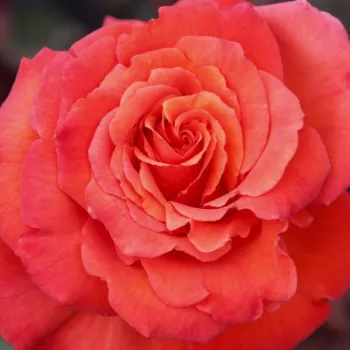
Large, double blooms with 26–39 petals, high-centred, pointed buds borne singly on stems; classic hybrid tea form, strongly remontant with abundant second and later flushes in suitable conditions. |
| Colour data and phenology |
Vivid, flame-like orange overall; buds fire-red to coral with orange flush, opening to fire-orange with golden-yellow sheen, then coral-scarlet before softening to brick–peach pink as blooms age gracefully. |
| Fragrance and aroma |
Delicate muscatel fragrance, very weak and barely noticeable in normal garden use; chosen primarily for colour effect and flower form rather than strong scent, yet still providing subtle aromatic notes. |
| Hip characteristics |
Rose-hip production slight; small, ellipsoidal red hips around 6–10 mm in diameter may form after flowering, generally not a major ornamental feature and often removed during routine deadheading. |
| Resistance and winter hardiness |
Hardy to approximately –21 to –18 °C (RHS H7, Swedish Zone 3, USDA 6b); moderate resistance to black spot, powdery mildew and rust; performs well in heat but needs regular watering in dry spells. |
| Horticultural recommendations |
Best in sunny sites with fertile, well-drained soil; suitable for beds, borders, hedges, large containers and cutting. Medium maintenance; occasional plant protection and deadheading improve repeat flowering. |
WILDFIRE® hybrid tea rose JACdouce offers vivid repeat-flowering colour, long-term structure and reliable performance, with the practical resilience of an own-root shrub; a thoughtful choice if you would like a romantic yet manageable focal rose.