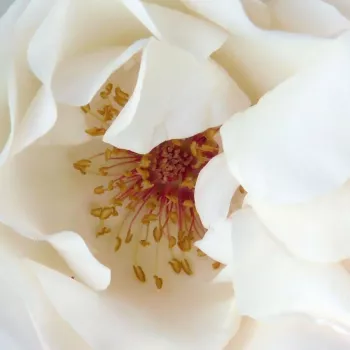
WHITE QUEEN ELIZABETH – white bedding floribunda rose
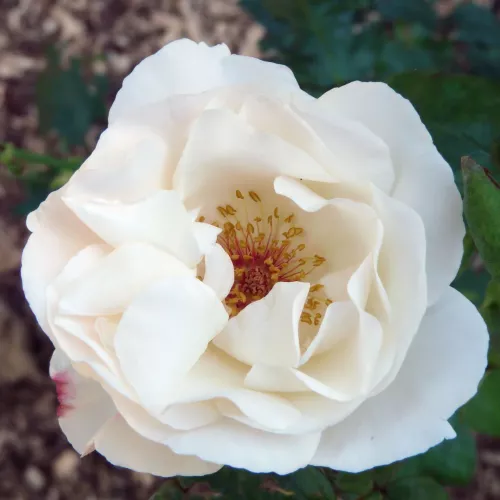
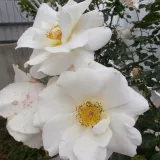
Imagine afternoon tea beneath an arbour, framed by romantic high-centred, snow-white blooms of WHITE QUEEN ELIZABETH, carrying a gentle, tea-scented fragrance that suits traditional cottage borders and neat family plots alike. This upright, columnar floribunda-shrub habit rises to around 130–170 cm, giving you elegant height for hedging, beds or a single, statement specimen without complicated training. As an own-root rose it develops steadily, rewarding patience with reliable structure and the reassuring ability to regenerate from its base, so ornamental value remains stable over the long lifespan. Well-suited to typical British gardens, it copes reliably with blustery weather and showery spells near the coast, bringing poise even where wind and rain can flatten less robust plants. Repeating generously through summer, the clusters of large, double flowers make it both a practical cut-flower choice and a classic, storybook feature beside lawns, paths or a kitchen garden. In a large 40–50 litre container or a well-prepared border, the glossy, dark foliage and cream-tinted blooms add a quietly luxurious note to everyday outdoor living, fitting effortlessly into busy lifestyles with only modest deadheading and routine care.
Usage options
| Target area |
Reasoning |
| Formal front garden bed along the drive |
The upright, columnar habit and large, high-centred flowers create a tidy, architectural presence that suits front gardens where you want formality without fussy clipping. Repeating white blooms keep the entrance bright over a long season, while own-root vigour supports a long-lived, stable line of plants needing only straightforward pruning and occasional deadheading – ideal for the busy homeowner. |
| English cottage-style mixed border |
Clusters of snow-white flowers, gently shifting to creamy white, weave easily among pastel perennials and herbs, giving a romantic, storybook feel beside paths or a country-style fence. Medium maintenance and moderate disease resistance sit well with hobby gardeners who will check foliage a few times each season and refresh mulch, gaining an airy yet full look without specialist skills – appealing for the cottage-garden lover. |
| Feature rose in a 40–50 litre terrace pot |
In a large container with good drainage, the upright growth and dense foliage provide height and privacy on patios or small urban terraces. Regular watering and feeding are simple weekly tasks, and own-root resilience means the plant can recover well if growth is cut back after a tough winter or relocation. This makes a handsome, manageable focal point for the urban balcony-gardener. |
| Flower bed with cutting patch function |
The long, straight stems and high-centred, hybrid-tea style blooms are well suited to cutting, so a simple flower bed can double as a small home cutting garden. Repeated flushes keep vases filled while the remaining clusters maintain garden display. Own-root plants regrow reliably after heavier cutting, reassuring those who want bouquets without harming the planting – perfect for the home flower-arranger. |
| Loose flowering hedge along a garden boundary |
Planted at the recommended hedge spacing, the height and branching habit form a soft, semi-formal screen that defines boundaries without feeling heavy. The glossy, dark foliage and repeating white flowers bring light and privacy along paths or vegetable plots, while routine winter pruning and moderate pest checks remain manageable even for learners – suitable for the family garden-planner. |
| Garden area with exposure to wind and frequent rain |
The strong, upright framework and dense foliage help the plant stay presentable where blustery showers and unsettled weather would flatten floppier roses, making it a reassuring choice for more exposed gardens that regularly see brisk winds and sudden downpours. With sensible staking of young plants and ordinary seasonal care, it continues to flower dependably for the coastal-climate gardener. |
| Long-term structural rose in a small family garden |
This variety’s height and floribunda-shrub character provide a semi-permanent “small tree” effect that anchors borders in compact plots without overwhelming them. As an own-root plant it can rebuild from low shoots after harder pruning, supporting a long garden life with consistent shape, while routine feeding and annual pruning remain simple – reassuring for the long-term planner. |
| Beginner’s first “proper” rose bed |
The remontant flowering habit offers plenty of feedback to new gardeners, with generous, repeated flushes that reward basic care and simple deadheading. Starting with an established own-root plant makes it easier to see steady progress from rooting to top growth and full display over the first few years, keeping motivation high and tasks understandable for the rose-growing beginner. |
Styling ideas
- Tea-on-the-lawn – Create a soft white-and-blush border around a seating area with WHITE QUEEN ELIZABETH, lavender and pale pink geraniums – ideal for lovers of gentle, nostalgic garden corners.
- Kitchen-parterre – Line vegetable beds with this rose and low box or thyme edging, letting the white blooms contrast with salad greens – appealing to home cooks who enjoy a traditional potager look.
- Moonlight-border – Pair the rose with silver foliage such as Artemisia and soft grasses for evening shimmer near a terrace – suited to those who spend summer nights dining outdoors.
- Romantic-hedge – Plant a loose hedge mixed with white foxgloves and lady’s mantle along paths for a storybook feel – perfect for families wanting a pretty yet practical boundary.
- Cutting-corner – Dedicate a sunny bed to WHITE QUEEN ELIZABETH with phlox and cosmos for regular vase material – ideal for creative gardeners who like bringing garden flowers indoors.
Technical cultivar profile
| Parameter |
Data |
| Name and registration |
WHITE QUEEN ELIZABETH (registered as ‘White Queen Elizabeth’), floribunda / hybrid tea bed rose; ARS exhibition name White Queen Elizabeth; verified own-root identity for consumer gardens. |
| Origin and breeding |
Sport of ‘Queen Elizabeth’, bred by Banner in the United Kingdom, introduced and registered in 1965; breeder institution and initial distributor are not clearly documented in available records. |
| Growth and structural characteristics |
Vigorous, upright shrub to around 130–170 cm high and 100–140 cm wide, with dense, dark green, glossy foliage and moderate prickles; suitable for beds, hedging and specimen use in family gardens. |
| Flower morphology |
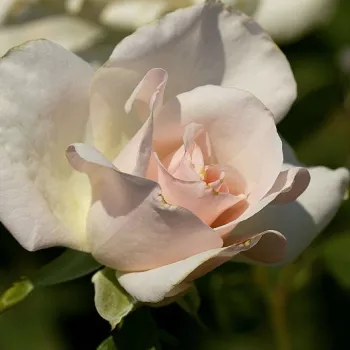
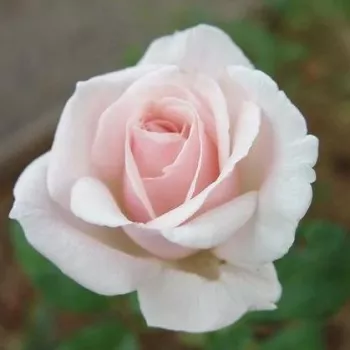
Large, double, cluster-flowered blooms with 26–39 petals; high-centred, pointed hybrid-tea style buds on floribunda trusses; remontant with particularly abundant second flush, good for garden and vase. |
| Colour data and phenology |
Pure white ARS W; RHS 155D–155C. Buds crystal white, sometimes with silky pink blush; open flowers white with subtle inner sheen, gently shifting to creamy white with occasional pale pink inner tones. |
| Fragrance and aroma |
Medium-strength, noticeable tea-scented fragrance, combining classic rose notes with a softer, refined character; detectable at close range along paths or seating, adding sensory interest without overpowering. |
| Hip characteristics |
Rose hip formation is generally minimal; where present, hips are small, 10–14 mm, egg-shaped and orange-red, contributing only slight seasonal interest and not usually affecting repeat flowering. |
| Resistance and winter hardiness |
Moderate resistance to black spot, powdery mildew and rust; benefits from basic preventive care. Hardy to around −26 to −23 °C (RHS H7, Swedish zone 4, USDA 5b), suitable for most UK regions. |
| Horticultural recommendations |
Best in sunny positions with well-drained soil; water during prolonged drought. Recommended for beds, hedges, specimens and urban gardens. Deadhead spent flowers; moderate yearly pruning keeps structure tidy. |
WHITE QUEEN ELIZABETH offers tall, elegant white blooms with a gentle tea scent, reliable repeat flowering and durable own-root growth, making it a refined, long-lived choice for understated cottage-style gardens you may wish to consider.