WESTERLAND® – orange park rose - Kordes
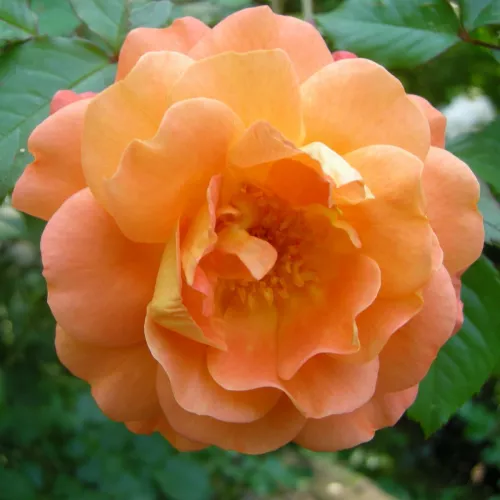
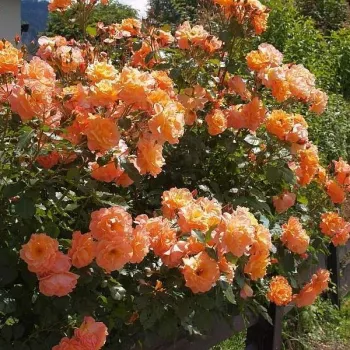
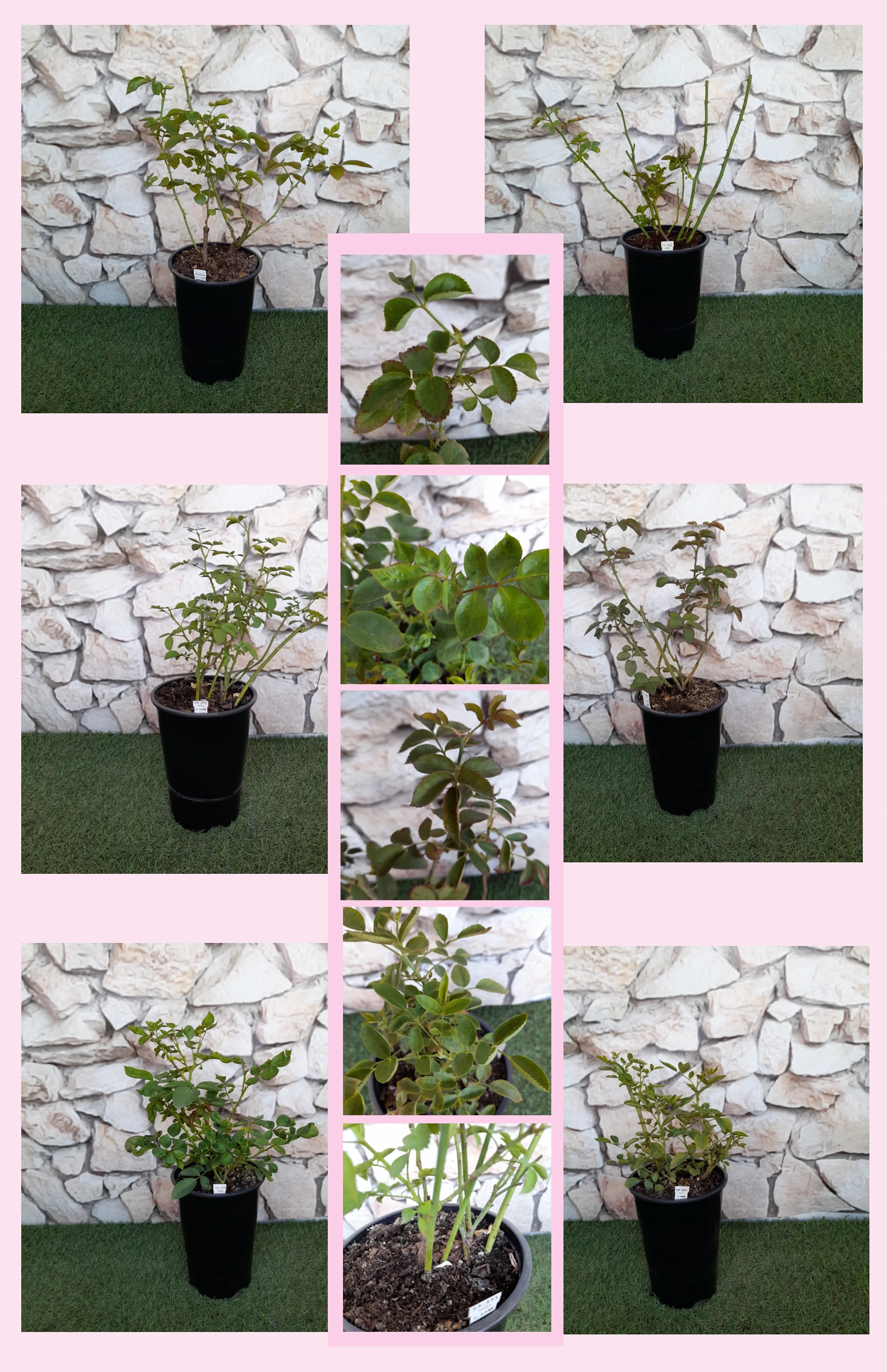
Bring a touch of seaside-style romance to your garden with Westerland®, a versatile park rose that thrives even in exposed spots, coping well with coastal breezes and unsettled weather. This upright shrub-climber covers arches, fences or a cottage-style border with generous clusters of copper-orange, peach-tinted blooms and a strong, spicy fragrance that feels made for afternoon tea outdoors. Own-root plants are naturally long-lived and steady-growing, quietly rebuilding from the base if winter or pruning are a little harsh, so you can enjoy dependable flowering without expert care. In its first year it concentrates on roots, the second year brings strong new shoots, and by the third year you see its full romantic character and abundance. Self-cleaning clusters reduce deadheading, while glossy dark foliage and award-winning garden performance keep the overall look neat, relaxed and reassuringly low-maintenance. Plant it in good soil or a raised bed, give it room to stretch, and let this storybook rose become the softly glowing centrepiece of your family garden. Ideal for busy households and beginner gardeners who still want a traditionally beautiful, richly scented rose that feels at home beside hedges, kitchen gardens and cottage-style borders.
Usage options
| Target area | Reasoning |
|---|
| Informal cottage border in a family back garden |
Its warm orange-peach colour and relaxed, upright habit suit mixed cottage borders with perennials and herbs, giving a romantic, storybook look for minimal effort over many years, perfect for the cottage-style enthusiast and beginner. |
| Rose arch or light arbour near the patio |
Used as a short climber, it readily clothes an arch with repeat-flowering clusters, creating a cosy, scented tunnel ideal for afternoon tea, without fussy pruning or training, ideal for time-pressed but style-conscious homeowners. |
| Against a fence or along a sunny house wall |
Planted 2–3 m apart, it forms a loose flowering screen, softening boundaries while its own-root stamina and hardy framework cope well with UK winters, a reassuring choice for families wanting long-term structure and colour. |
| Feature shrub beside a rural kitchen garden |
As a solitary specimen near veg beds, it brings cottage charm and pollinator-friendly, semi-double blooms, while self-cleaning flowers and medium maintenance make it easy to manage alongside everyday jobs for the busy country gardener. |
| Wind-exposed suburban garden, including coastal locations |
The robust framework and good heat tolerance mean it stands up to blustery spots and variable summers, coping well with breezy, rain-prone gardens where other roses sulk, giving reliable presence to coastal and open-plot owners. |
| Large container on terrace or roof garden (40–60 litres) |
In a substantial pot with good drainage, its upright habit and own-root resilience provide long-term value; if top growth is ever damaged, it readily regenerates from the base, ideal for urban balcony and roof-garden residents. |
| Low, informal flowering hedge along a path |
Planted in a loose row, it forms a welcoming, scented walkway, the repeat-flowering clusters and dark foliage giving season-long interest while moderate thorns still allow easy access, suiting families who enjoy traditional garden layouts. |
| Mixed shrub planting with perennials and climbers |
Its award-winning garden performance and medium disease resistance make it a dependable backbone among shrubs, while its colour blends beautifully with lavender and clematis, particularly useful for design-led yet low-fuss garden planners. |
Styling ideas
- Country-arch – Train Westerland® over a simple timber arch, underplanted with lavender and catmint for a fragrant, bee-friendly entrance – ideal for families wanting a welcoming, cottage-style path.
- Kitchen-nook – Place a specimen near raised veg beds with chives and marigolds, letting its warm tones echo terracotta pots – perfect for those who like a productive garden with a romantic twist.
- Coastal-ridge – Use a loose row on a raised bed with grasses and sea holly to handle breezy, wetter plots – suited to homeowners in exposed or seaside locations seeking colour without fuss.
- Tea-terrace – Grow it in a 50–60 litre container by a seating area, pairing with soft pink geraniums for long, scented evenings – appealing to busy urban gardeners with limited but cherished space.
- Storybook-border – Combine with foxgloves, lady’s mantle and a pale clematis weaving through its stems for layered height and texture – ideal for cottage-garden lovers who enjoy a slightly wild, romantic look.
Technical cultivar profile
| Parameter | Data |
|---|
| Name and registration |
Westerland® park rose, registered as KORwest, shrub-climber type within the Park - shrub rose group; ARS exhibition name Westerland, marketed as an orange park rose. |
| Origin and breeding |
Bred by Reimer Kordes in Germany (1969), from ‘Friedrich Wörlein’ × ‘Circus’; registered 1976 and later introduced by W. Kordes’ Söhne as a robust park and shrub-climbing garden rose. |
| Awards and recognition |
Certificate of Merit and Fragrance Award at New Zealand Rose Trials (1973); ADR winner in German National Rose Trials (1974); RHS Award of Garden Merit, confirming reliability in UK gardens, granted 1993. |
| Growth and structural characteristics |
Strong, upright shrub-climber reaching about 170–240 cm high and 150–210 cm wide, with dense, glossy dark green foliage and moderate thorns, forming a substantial, long-lived framework in suitable positions. |
| Flower morphology |
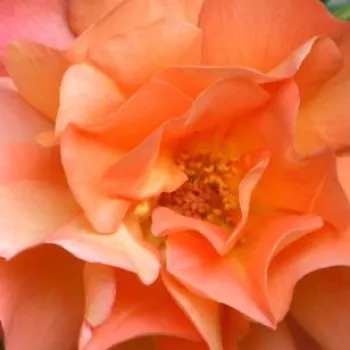
Semi-double, cup-shaped clusters with around 13–25 petals; large blooms (approximately 7–10 cm) produced repeatedly from early summer, with a particularly rich second flush on established plants. |
| Colour data and phenology |
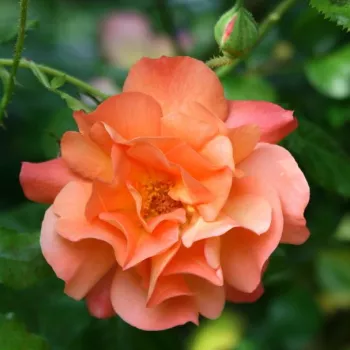
Warm copper-orange with peach and yellowish-peach tones; buds deep reddish copper, flowers opening vivid fire-orange, softening to salmon-peach in sun, with very good colour retention across changeable weather. |
| Fragrance and aroma |
Strong, long-lasting scent combining spicy and peachy notes; semi-double blooms offer partially accessible stamens, making the plant attractive to visiting pollinating insects over an extended flowering period. |
| Hip characteristics |
Sparse hip set; where present, ovoid orange-red hips about 12–17 mm across may develop, adding a light seasonal accent but not a dominant ornamental or wildlife feature in most planting schemes. |
| Resistance and winter hardiness |
Hardy to about −26 to −23 °C (RHS H7, USDA 5b); black spot resistant with medium tolerance to powdery mildew and rust, benefits from good airflow and some spring frost protection in harsher locations. |
| Horticultural recommendations |
Best in fertile, well-drained soil; suitable for partial shade but flowers most in sun. Space 130–220 cm depending on use; medium maintenance level, with occasional plant protection and light pruning or training. |
Westerland® offers romantic, strongly scented, repeat-flowering clusters on a hardy, award-winning shrub-climber whose own-root form promises long-lived, regenerative growth; a thoughtful choice if you want lasting charm with manageable care.