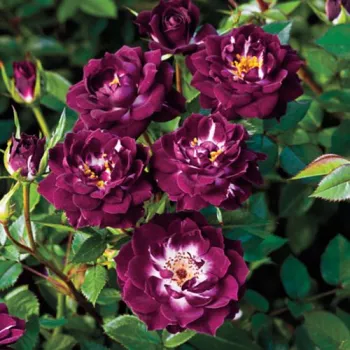
Diamond Eyes – miniature rose for magical close-up moments
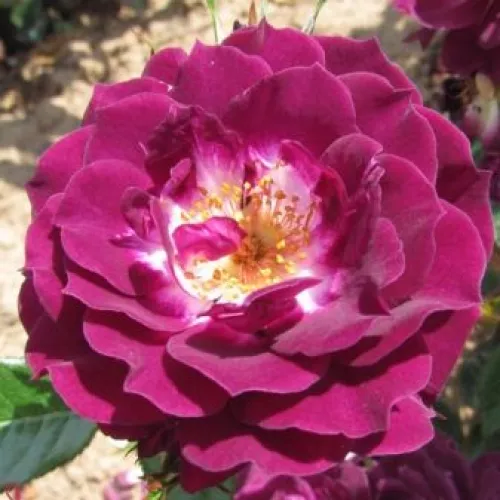
Planted near a favourite seating area, Diamond Eyes creates a richly coloured, fragrant focus point that feels both romantic and intimate, even in a small family garden. Its compact, dwarf habit stays naturally neat, ideal for edging a path or framing a tiny terrace, while the velvety purple blooms with their pale “eye” lend a storybook charm that suits cottage borders and informal kitchen gardens. As an own-root plant it builds strength steadily underground, giving you a reassuringly long-lived feature that copes well with exposed sites where summer breezes and showers sweep in from the coast. In a roomy pot of at least 40–50 litres, or tucked into a sunny bed with reasonable drainage, the spicy perfume and repeat flowering will keep your outdoor corner feeling cosy, characterful and quietly luxurious.
Usage options
| Target area | Reasoning |
|---|
| Low border in a family garden |
The natural dwarf, rounded habit forms a tidy edging along paths or front-of-border lines, creating a defined but soft boundary that children and pets can move around easily; especially suitable for those wanting structure without high-maintenance clipping for the busy home gardener |
| Statement container on terrace or balcony |
Its compact size and dense foliage mean it thrives in large pots, provided you choose at least a 40–50 litre container so the roots can develop fully, giving stable growth and reliable flowering for people with only a small outdoor space for the urban balcony owner |
| Cottage-style kitchen garden corner |
The velvety dark-purple flowers with their pale “eye” echo traditional cottage-rose charm while staying neatly scaled for paths between vegetable beds, blending ornament and productivity for those who like a romantic, practical kitchen garden for the cottage-style enthusiast |
| Fragrant seating nook or tea area |
The strong, spicy scent carries well at close quarters, so a short row beside a bench or arbour turns everyday moments into a small ritual, ideal for those who want scent first and foremost from a compact rose for the fragrance lover |
| Small-space feature in urban front gardens |
Because the plant stays around 45–55 cm high and wide, it delivers striking colour and form without overwhelming tight plots or paved forecourts, suiting those who want noticeable impact from a single, easy-to-place shrub for the space-conscious owner |
| Raised beds on heavier soils |
In raised beds or improved clay, the own-root system anchors firmly and develops steadily, offering long-term security and resilience even where summer breezes and showers sweep in from the coast for the coastal and clay gardener |
| Informal low hedge or path edging |
Planted at the recommended spacing, the uniform dwarf habit and dense foliage knit into a continuous, low ribbon of colour that reads as a miniature hedge, for those wanting gentle separation of spaces without tall barriers for the family garden planner |
| Long-term garden “keeper” plant |
As an own-root rose it can regenerate from its base over the years, maintaining its characterful colour and form without concerns about graft failure, suiting gardeners who prefer to plant once and enjoy a reliable feature for many seasons for the long-term thinker |
Styling ideas
- Tea-corner edging – line a small seating nook with a short run of Diamond Eyes and a low thyme carpet for scented feet and cosy afternoon tea moments – for contemplative tea drinkers
- Balcony jewel-box – plant one or three in a 50-litre container with trailing ivy-leaved geraniums to frame a rail or bistro set – for balcony and patio owners
- Cottage path ribbon – alternate Diamond Eyes with clumps of lavender along a gravel path to mix dark blooms, fragrance and soft movement – for lovers of classic cottage style
- Kitchen-garden accent – position a pair at the end of vegetable rows with herbs like chives and oregano to link productive beds with ornamental charm – for kitchen-garden enthusiasts
- Front-gate welcome – flank a gate or front step with matching pots, underplanting Diamond Eyes with low violas for a friendly, colourful greeting – for family homes and visitors
Technical cultivar profile
| Parameter | Data |
|---|
| Name and registration |
Miniature, dwarf rose; registered as WEKwibypur, marketed as Diamond Eyes; ARS approved exhibition mini rose suited to containers, edging and small garden settings. |
| Origin and breeding |
Bred by Tom Carruth (United States) from ‘Wild Blue Yonder’ × complex seedling parentage; introduced after 2015 by Weeks Roses, with US plant patent protection from 2015. |
| Awards and recognition |
Holds the American Rose Society Award of Excellence (2013) in the miniature category, signalling strong garden performance and ornamental value for compact spaces and containers. |
| Growth and structural characteristics |
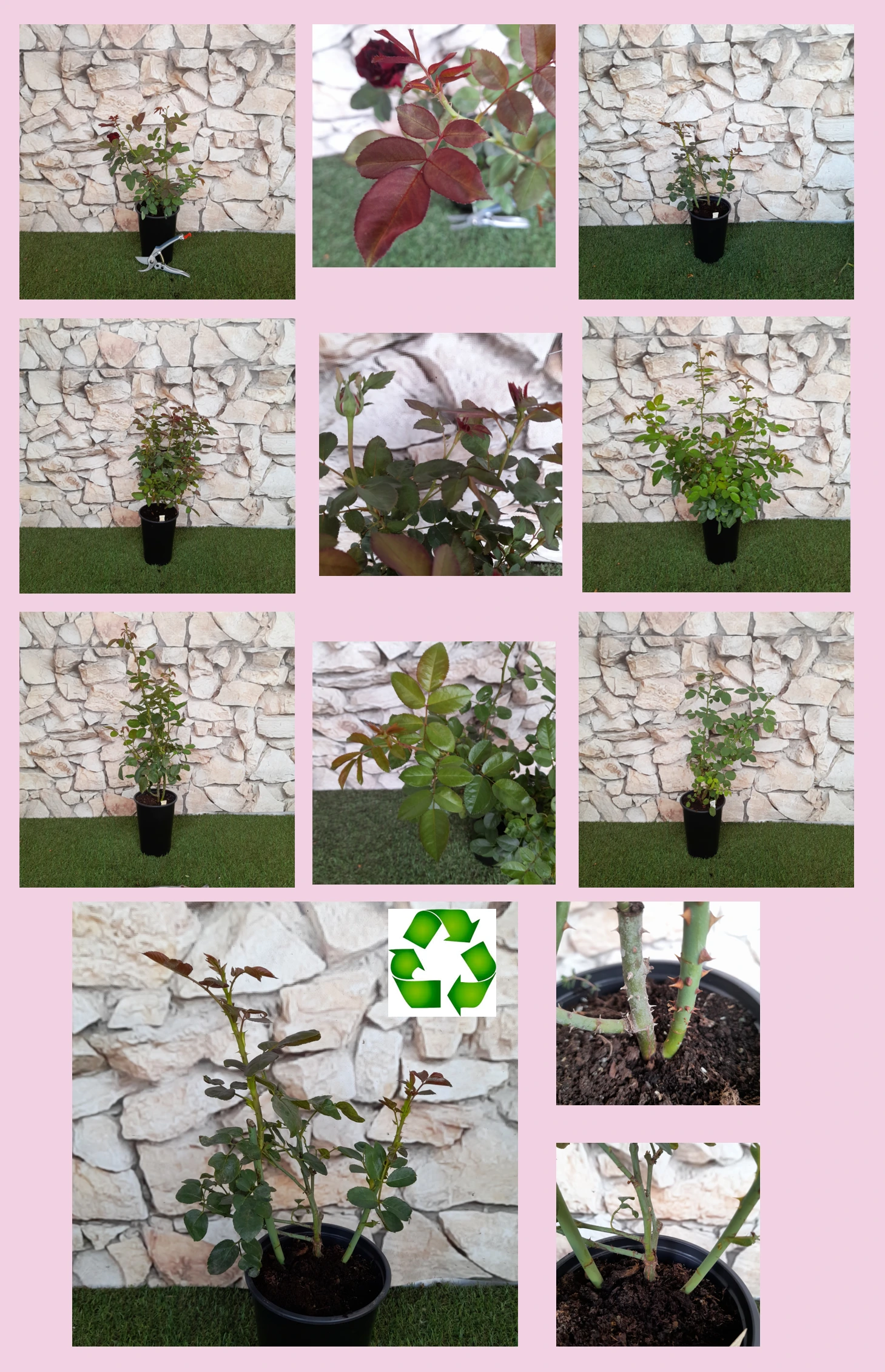
Dwarf, rounded shrub about 45–55 cm high and wide, with dense, glossy dark green foliage and moderate prickles; forms a compact, bushy plant suited to borders and pots. |
| Flower morphology |
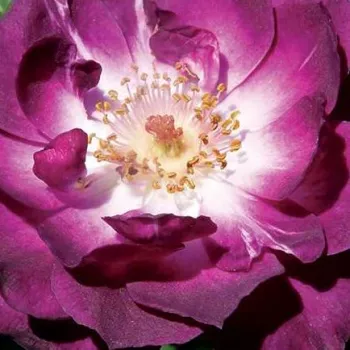
Semi-double blooms, 13–25 petals, small (0.5–1.5 in), flat and cluster-flowered; repeats well through the season with a generous second flush when spent blooms are removed. |
| Colour data and phenology |
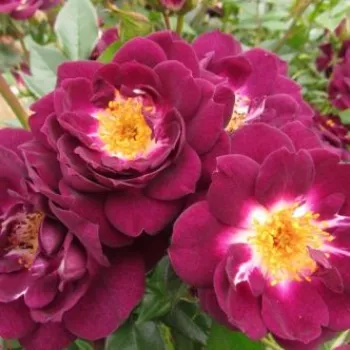
Velvety dark purple (RHS 79A) petals with a cream-white central eye (RHS 155D); colour lightens slightly in heat, deepens in cool weather, maintaining a clear, dramatic contrast. |
| Fragrance and aroma |
Strong, spicy rose fragrance detectable at some distance; best appreciated at close quarters in seating areas or on balconies where air movement carries the scent reliably. |
| Hip characteristics |
Rose-hip production generally light; occasional small, spherical red hips 6–8 mm may develop later in the season, adding a subtle decorative touch without heavy seeding. |
| Resistance and winter hardiness |
Hardy to about −32 to −29 °C (RHS H7, USDA 4b) with medium resistance to black spot, powdery mildew and rust; benefits from standard rose hygiene and monitoring. |
| Horticultural recommendations |
Suited to containers, borders, edging and low hedges in sun or light shade; prefers well-drained soil and regular watering in dry spells, with occasional plant protection as needed. |
Diamond Eyes offers compact structure, rich colour impact and strong fragrance in a durable own-root form that matures into a long-lived feature; a thoughtful choice if you want lasting character from a very small rose.