WEKSMOPUR – plum-lilac bedding floribunda rose - Carruth
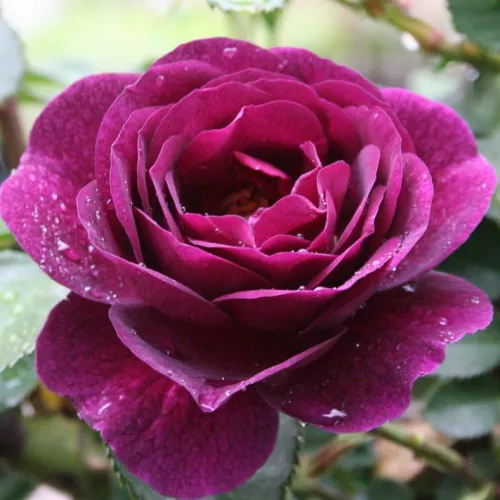
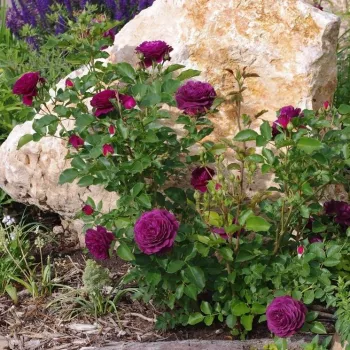
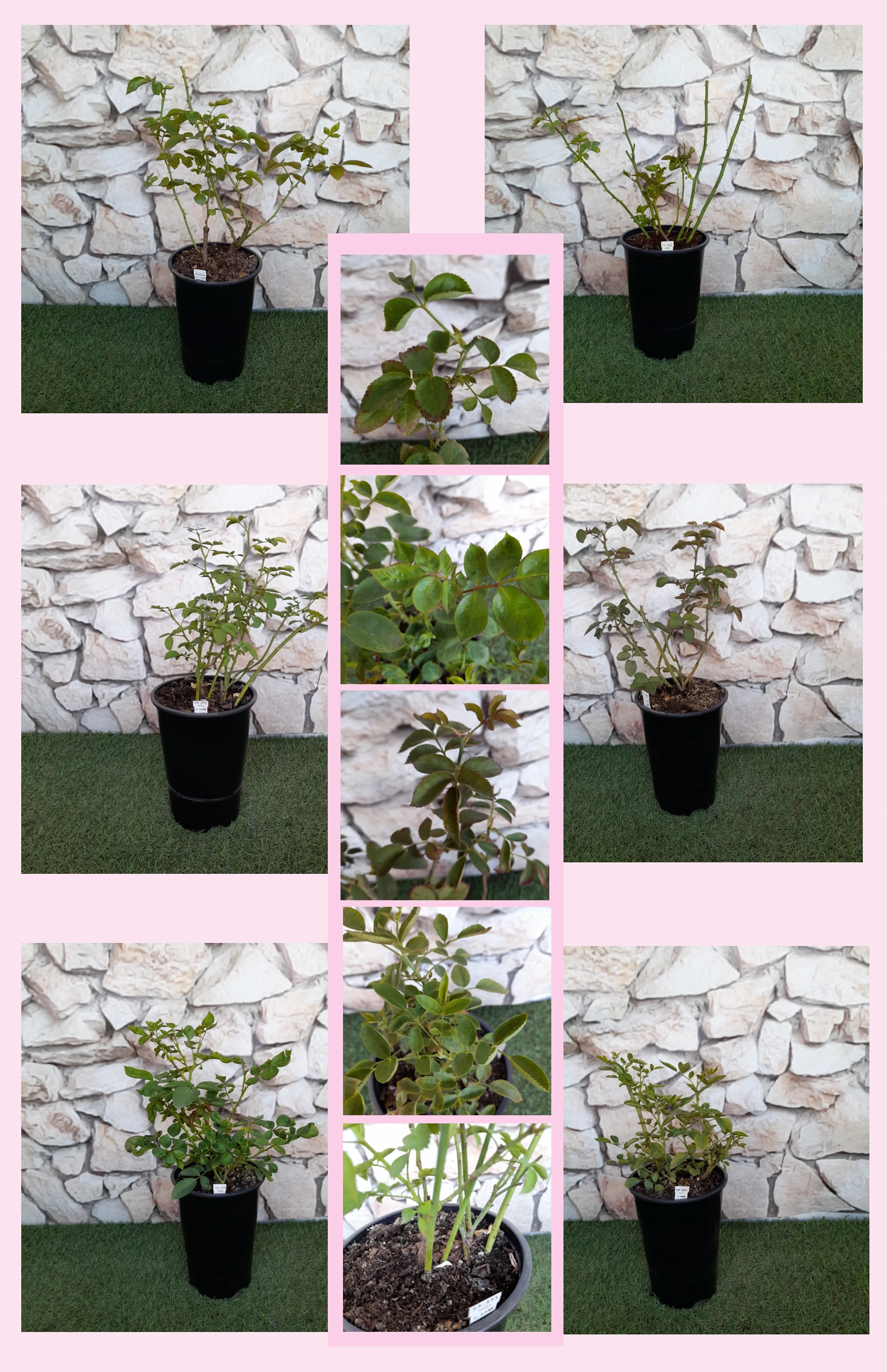
For a corner of pure storybook romance in an everyday family garden, WEKSMOPUR brings velvety, plum-lilac blooms that glow against glossy dark foliage and release a strong, spicy-citrus fragrance ideal for afternoon tea by an arbour. This compact, bushy floribunda is easy to place in smaller beds or edging, and its reliable repeat flowering keeps borders lively through summer with only light deadheading. Grafted stock is avoided, so the own-root plant offers quiet longevity, regrowing steadily from the base for a stable look over many years. In its first season it concentrates on roots, in the second on bushy shoots, and by the third year it shows its full ornamental impact. Low-maintenance yet rewarding, it copes well even in breezier, wetter spots where good anchoring and stable stems matter on exposed UK plots, fitting neatly into an informal, cottage-style border. Its modest height suits large patio containers too, provided you choose at least a 40–50 litre planter. Thoughtfully bred for garden performance as well as show-bench looks, it combines premium quality with straightforward care for busy home gardeners.
Usage options
| Target area | Reasoning |
|---|
| Front-of-border cottage bed |
The compact, 60–85 cm habit forms a neat, bushy mound, perfect for the front of a mixed cottage border where it will not swamp herbs or low perennials. Repeating clusters of plum-lilac blooms add structure and colour without demanding elaborate pruning, ideal for beginners. |
| Family seating area near a path |
The strong, clearly perceptible spicy-citrus scent carries beautifully around a terrace or path, giving everyday family spaces a sense of occasion when you pass or sit nearby. Placing it close to seating lets you enjoy perfume without specialist care, suiting busy. |
| Low, romantic flowering hedge |
Plant at about 50 cm spacings to create a low, traditional hedge that flowers repeatedly through summer. Own-root growth knits plants together over time, giving a durable, easily maintained edge for lawns or kitchen-garden paths, especially appreciated by homeowners. |
| Statement specimen in a small bed |
Used singly with generous space, its deep, velvety purple-violet tones become a focal point, contrasting beautifully with lighter planting. The moderate spread suits modest UK front gardens where you want impact but limited upkeep, attractive for urbanites. |
| Large patio container on a terrace |
In a 40–50 litre or larger container, the compact, upright structure and dense foliage stay proportionate, while own-root resilience helps the plant recover if watering is occasionally irregular. This makes seasonal patio colour simpler for time-pressed balcony-owners. |
| Mixed bed in exposed or breezier gardens |
Sturdy, relatively low growth helps it stand up in gardens that catch the wind and regular rain, staying presentable without staking. This steadiness in less-sheltered, wetter British plots means fewer rescue jobs after bad weather, suiting coastal. |
| Low-input, traditional flower bed |
Good resistance to black spot, mildew and rust supports an easy-care routine, needing mainly deadheading and a light annual prune. Own-root plants regenerate from the base, so the bed keeps its shape over many years with modest effort, reassuring for time-poor. |
| Cutting patch beside the kitchen garden |
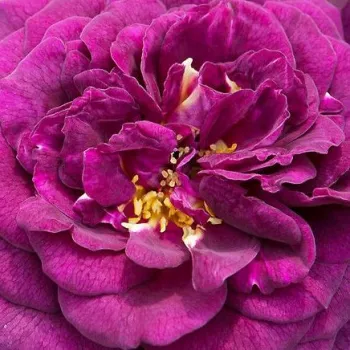
Medium-large, double, cup-shaped clusters on branching stems lend themselves to informal bunches for the table. Regular cutting encourages more buds, so you gain flowers indoors and stronger garden display in one cycle, particularly pleasing for cottage-lovers. |
Styling ideas
- TWIN-BORDER ROMANCE – Plant WEKSMOPUR in informal drifts along a path, underplant with catmint and hardy geraniums for a soft, hazy edge – ideal for cottage-style enthusiasts.
- TEA-CORNER FOCUS – Place a trio near a small seating area, with lavender and potted herbs, so fragrance and colour frame afternoon tea – perfect for family gardeners.
- PLUM-AND-GRASS MIX – Combine with feather reed grass and pale asters for a textural, late-summer scene where velvety blooms float among airy plumes – suited to design-conscious homeowners.
- LOW GARDEN ROOM DIVIDER – Use as a low hedge to separate lawn from a kitchen garden, echoing traditional English layouts while keeping views open – attractive to rural-plot owners.
- PATIOSIDE FEATURE POT – Grow one plant in a generous 50-litre tub with trailing thyme and seasonal bedding at the base for a compact yet luxurious focal point – convenient for busy urban gardeners.
Technical cultivar profile
| Parameter | Data |
|---|
| Name and registration |
Floribunda bedding rose; registered as WEKsmopur, marketed as Ebb Tide and WEKSMOPUR – plum-lilac bedding floribunda rose, ARS exhibition name Ebb Tide, bush rose type. |
| Origin and breeding |
Bred by Thomas F. Carruth (USA, 2001) for Weeks Wholesale Rose Grower Inc.; complex parentage involving ‘Sweet Chariot’, ‘Blue Nile’, ‘Stephen’s Big Purple’ and Rosa soulieana derivative; introduced 2006. |
| Awards and recognition |
Certificate of Merit, National Rose Trial Garden of Australia (2005) highlighting garden performance; Most Fragrant Rose, Rose Hills International Rose Trials, USA (2011), underscoring its notable scent. |
| Growth and structural characteristics |
Compact, bushy floribunda 60–85 cm high and 50–70 cm wide, with dense, glossy dark green foliage (RHS 139A) and relatively sparse prickles; medium self-cleaning, benefits from regular deadheading. |
| Flower morphology |
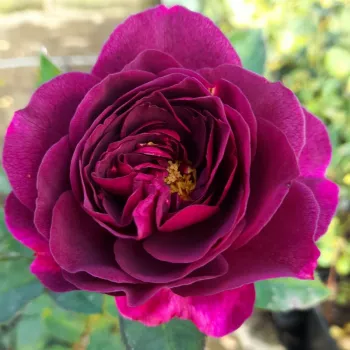
Double, cup-shaped blooms with 26–39 petals, usually borne in clusters of 1–5 per stem; large flower size (approx. 2.75–3.95 in) and good remontancy, with an abundant second flush in suitable conditions. |
| Colour data and phenology |
Rich plum-lilac with a subtle smoky tone; outer petals RHS 59A, inner 71A, darkening at edges. Colour is deeper and longer-lasting in cooler weather, fading somewhat in strong, hot sun over the season. |
| Fragrance and aroma |
Strong, clearly perceptible perfume described as citrusy and spicy, often noticeable around the plant in still air; double flowers with visible stamens give moderate pollinator interest in mixed plantings. |
| Hip characteristics |
Forms spherical orange-red hips (RHS 28B–30B) measuring roughly 12–16 mm in diameter; produced in moderate quantities, adding autumn interest if spent flowers are not removed for repeat blooming. |
| Resistance and winter hardiness |
Rated resistant to powdery mildew, black spot and rust; hardy to about −21 to −18 °C (RHS H7, USDA 6b, Swedish zone 3), coping with typical UK winters given reasonable soil drainage and mulching. |
| Horticultural recommendations |
Best in full sun with fertile, well-drained soil; suitable for beds, edging, containers and cutting. Plant 50–60 cm apart in groups or hedges, or about 100 cm as a specimen, with moderate watering in dry spells. |
WEKSMOPUR offers compact structure, sumptuous plum-lilac flowers and a strong, spicy fragrance in a resilient, own-root form that settles for years of reliable colour; a thoughtful choice if you favour characterful, low-fuss roses.