Midnight Blue – dark, velvety floribunda for romantic cottage borders
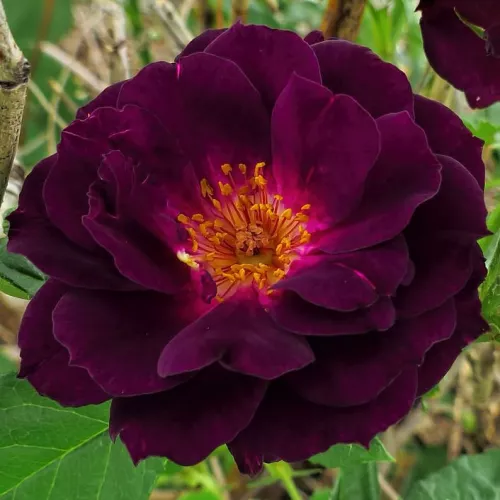
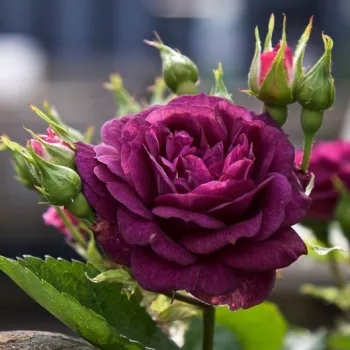
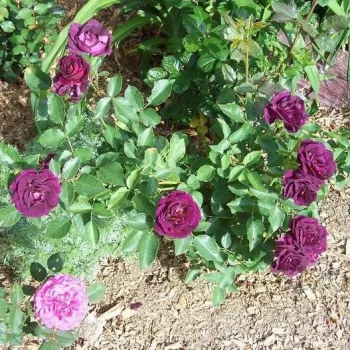
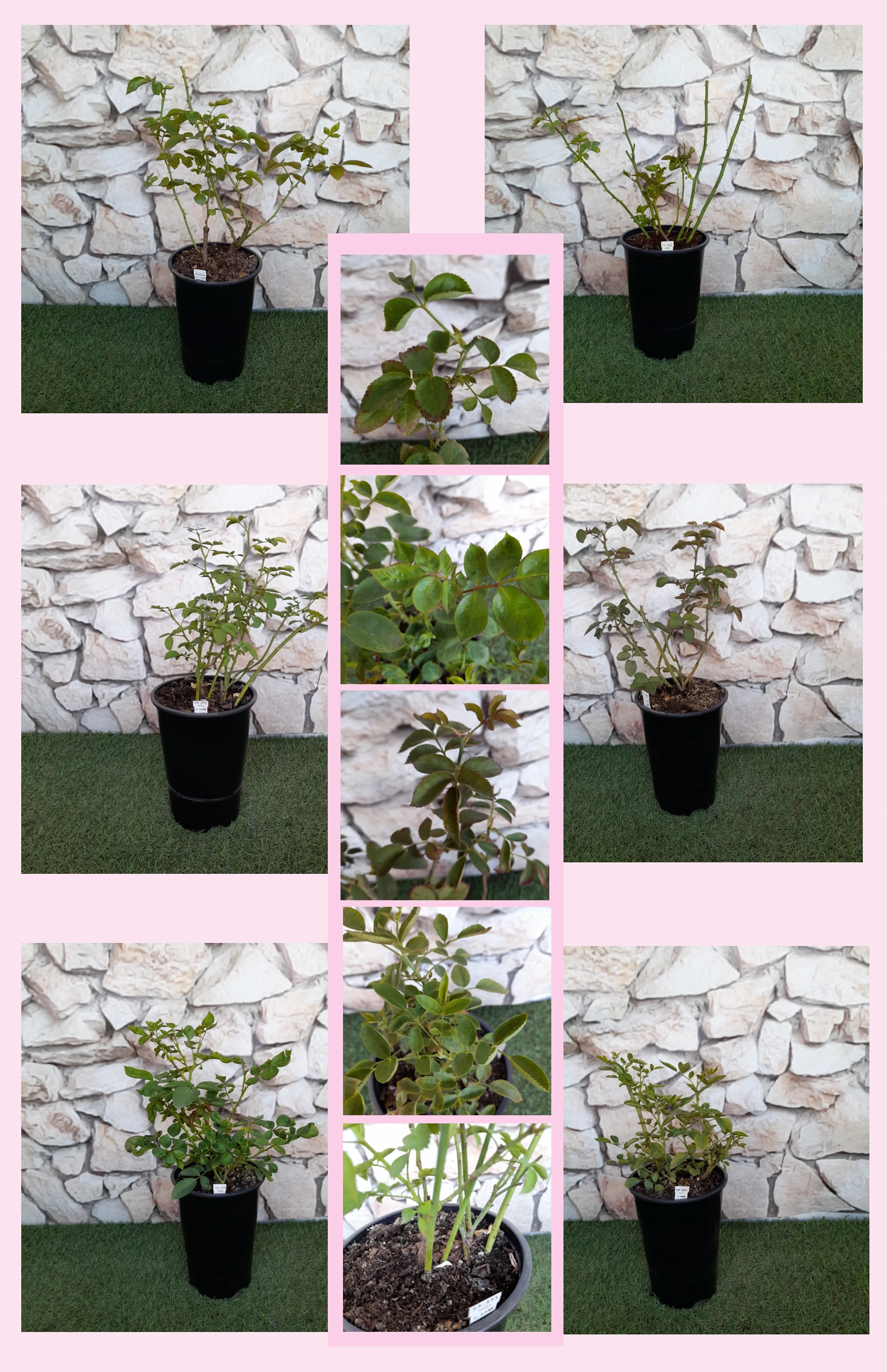
Set the scene for afternoon tea beneath an arbour with the dusky glow of Midnight Blue, a compact floribunda bred by Tom Carruth and supplied as an own-root pharmaROSA® ORIGINAL 2‑litre plant for easy planting throughout the season. Its semi-double, cluster-flowered blooms bring a mysterious, velvety colour that reads as inky crimson-purple in all but the brightest sun, carried on a naturally compact shrub that fits beautifully into small to medium family gardens. This variety is notably disease-resistance focused, bred to cope reliably even in humid summers and breezy, rain-exposed plots near the coast, helping you manage wet weather without fuss. A strong, clove fragrance drifts along paths and into seating areas, while the plant’s own-root longevity and capacity to regenerate from the base support a long-lived, stable presence in the border. It repeat-flowers generously, with flush after flush of blooms from early summer to autumn, and its relatively sparse thorns make it more family-friendly to tend and to pick for the house. Thriving in beds, low hedging or a large 40–50 litre container, it settles in steadily – roots in the first year, stronger top growth in the second, and a full cottage-garden picture by the third.
Usage options
| Target area | Reasoning |
|---|
| Front-of-border bedding in a cottage-style family garden |
The naturally compact habit and dense foliage make this rose ideal for the front or middle of a mixed border, where it forms a neat, low mound without overwhelming neighbouring perennials or herbs, suiting smaller UK family gardens and busy homeowners. |
| Romantic colour accent near seating or terrace |
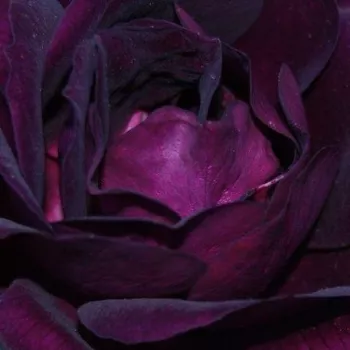
The velvety dark-crimson flowers with their smoky purple overtones create a dramatic focal point beside benches, patios or pergolas, especially effective with pale paving or gravel that sets off the evening tones loved by romantic-gardeners. |
| Low maintenance bed or edging in wet, windy plots |
With good resistance to black spot, mildew and rust, this rose keeps its leaves and structure even in humid, rain-exposed gardens, so you can enjoy season-long colour with fewer sprays and less fuss, reassuring time-pressed beginners. |
| Evening fragrance by paths and doorways |
The strong, clove-like scent carries well along garden paths and around doors, combining with its deep colour to create a storybook atmosphere that rewards a quick evening stroll for scent-lovers. |
| Long-lived feature in small borders |
As an own-root plant, this rose builds a sturdy framework over the years and can regenerate from the base if cut back hard or damaged, offering reliable structure and bloom for gardeners planning a lasting layout, ideal for settled families. |
| Season-long floral display around kitchen gardens |
Free-flowering clusters appear from early summer, followed by an abundant second flush and further blooms into autumn, so your kitchen-garden paths or edging stay colourful while you focus on vegetables, appealing to multitasking gardeners. |
| Safer-feeling rose bed for family use |
The shrub is only sparsely thorned, making routine weeding, deadheading and picking a few stems for the table less of a hazard where children play or where access is tight, which reassures cautious parents. |
| Large patio container or courtyard feature |
In a 40–50 litre container with good drainage, this compact, upright rose anchors a small paved courtyard, and its tolerance of breezy, rain-prone conditions near the coast keeps the display reliable for space-limited urban-owners. |
Styling ideas
- Twilight-terrace – Plant in a low row along a seating area with soft white lavender and pale pink diascia to highlight the dark blooms – for evening entertainers who like moody, romantic colour.
- Cottage-edging – Use as a clipped, low edging in front of herbaceous perennials and catmint, repeating plants at 40 cm for a traditional cottage look – for lovers of classic English borders.
- Kitchen-path – Line vegetable-garden paths with this rose and blue-flowered herbs such as borage to blend productivity with ornament – for kitchen gardeners who enjoy a pretty working space.
- Courtyard-focus – Place one specimen in a 50 litre terracotta pot with trailing thyme around the rim to perfume a small patio – for flat and townhouse owners with limited ground space.
- Soft-screen – Combine in a loose, low hedge with compact evergreen shrubs like small-leaved holly to frame lawns or play areas – for families wanting gentle structure without harsh boundaries.
Technical cultivar profile
| Parameter | Data |
|---|
| Name and registration |
Floribunda bedding rose, registered as WEKfabpur; marketed as Midnight Blue / Wekfabpur Bedding rose WEKfabpur, shrub rose category for garden, park and exhibition planting. |
| Origin and breeding |
Bred by Thomas F. Carruth (USA, 2004) for Weeks Wholesale Rose Grower Inc; complex hybrid parentage including ‘Sweet Chariot’, ‘Blue Nile’, ‘Stephens’ Big Purple’ and a R. soulieana hybrid. |
| Awards and recognition |
Honourable Mention, Australian National Rose Trial Garden 2004; Gold Medal, Rose Hills International Rose Trials (USA) 2006, reflecting strong garden performance and ornamental value. |
| Growth and structural characteristics |
Compact shrub 80–110 cm high and 50–70 cm wide, with dense, slightly glossy green foliage (RHS 147A) and sparse prickles, suitable for beds, edging and specimen planting in family gardens. |
| Flower morphology |
Semi-double, cup-shaped, medium-sized blooms (approx. 4–7 cm), typically borne in clusters; 13–25 petals with remontant, repeat-flowering habit providing abundant secondary and later flushes. |
| Colour data and phenology |
Dark crimson to blackish-purple flowers (RHS 79A, 72A) with velvety texture; colour deepens then lightens slightly in strong sun, staying richer in cool weather, giving prolonged ornamental interest. |
| Fragrance and aroma |
Strong, distinctive fragrance with spicy, clove-like character; semi-double blooms offer some accessible stamens, giving modest pollinator interest compared with single-flowered varieties. |
| Hip characteristics |
Hip set generally minimal due to semi-double form; occasional small hips up to 4 mm diameter may develop, with limited ornamental effect and little impact on overall garden performance. |
| Resistance and winter hardiness |
Good resistance to powdery mildew, black spot and rust; hardy to approximately –26 to –23 °C (RHS H7, USDA 5b, Swedish Zone 4) with moderate heat tolerance given adequate watering in drought. |
| Horticultural recommendations |
Suited to beds, edging, containers and small specimens; plant 35–65 cm apart depending on use, in well-drained soil, watering regularly in dry spells and pruning flexibly to maintain compact shape. |
Midnight Blue offers compact habit, velvety dark-crimson repeat flowering and strong clove fragrance on a resilient own-root plant that will reward patient gardeners for many seasons, making it a considered choice for your cottage-style garden.