WEKEBTIDERE – violet flowerbed grandiflora rose - Carruth
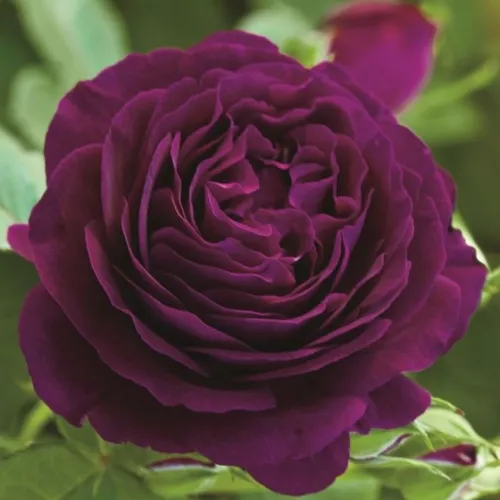
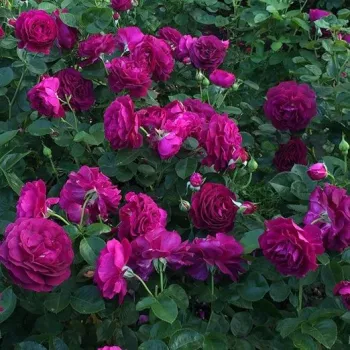
If you dream of afternoon tea beside richly coloured blooms, this grandiflora brings romance and storybook charm to an ordinary family garden. Its velvety violet-purple clusters glow against dark green foliage, while the very strong, spicy-lemon scent creates an enveloping ambience around a favourite bench or arbour. As an own-root shrub, it develops steadily into a long-lived, reliable feature with a secure root system that copes well even in breezier, coastal gardens when planted with sensible drainage and soil preparation. Ideal for cottage-style beds and generous containers, it rewards light, regular deadheading with abundant repeat flowering from summer onwards, settling easily into busy lives where ease, reliability, and lasting beauty matter more than complicated routines, and reaching full ornamental value as roots, then shoots, then flowers mature gracefully over its first seasons of growth.
Usage options
| Target area |
Reasoning |
| Cottage-style flower border in a family garden |
The rich violet-purple clusters and upright habit slip naturally into a mixed cottage border, weaving between perennials while still reading as a clear focal shrub. Repeat flowering keeps the border lively from mid-season onwards with straightforward deadheading, ideal for a relaxed but romantic look for beginners. |
| Fragrant seating area or afternoon-tea corner |
The very strong, garden-filling spicy-lemon fragrance makes this cultivar perfect near benches, patios, or arbours where you sit and linger. Plant near paths or a small terrace to enjoy the scent without needing a large planting, well suited to smaller gardens seeking atmosphere for homeowners. |
| Feature rose in a large container (40–60 litres) |
In a 40–50 litre or larger pot with good compost and drainage, the upright grandiflora form becomes a compact feature for balconies, terraces, or paved gardens. Own-root resilience supports long-term container culture with simple feeding and watering, convenient for urbanites. |
| Reliable own-root choice for long-term garden structure |
As an own-root rose, this grandiflora is bred for longevity, regenerating from the base and maintaining colour and flower quality without the risks of grafted suckers. Over the years it becomes a stable, characterful shrub that anchors a traditional scheme for planners. |
| Part-shade border beside hedging or outbuildings |
Suitable for partial shade, it will still flower generously where it receives at least half a day of sun, such as along hedges or near sheds and garden buildings. This allows you to extend colour and scent into corners that many roses would shun, reassuring for busy-gardeners. |
| Cut-flower patch for romantic, scented stems |
The large, very double, cup-shaped blooms on long upright stems suit cutting for indoor vases, where their deep colour and strong fragrance stand out. Plant with enough spacing for easy access to stems, providing a steady supply of homegrown bouquets for stylists. |
| Coastal or wind-exposed suburban plots |
With a firm, upright framework and own-root anchoring, this variety copes well in typical suburban exposures and can manage breezier conditions when planted into improved soil with good drainage, supporting gardens that also face moist, changeable weather for families. |
| Structured rose bed or low informal hedge |
Recommended planting distances make it easy to create a rhythmic row or block of shrubs, giving a coherent, low hedge or structured bed for front gardens. Over the first three years it fills out from roots to shoots to full flowering, rewarding patient yet practical gardeners. |
Styling ideas
- Twilight border – Pair with silver foliage like Stachys byzantina and soft mauves for a dusky, romantic cottage feel – ideal for evening relaxers
- Kitchen-door posy – Plant near the back door with herbs and cutting annuals to snip scented stems for the table – perfect for home cooks
- Cottage hedge – Use at recommended hedge spacing with mixed perennials in front to frame a front path – suited to traditionalists
- Patio focal-point – Grow one shrub in a generous 50–60 litre pot flanked by lavender for fragrance on a small terrace – great for balcony-owners
- Storybook mix – Combine with soft pink roses and dark-leaved Penstemon for a layered, fairytale border – appealing to romantic dreamers
Technical cultivar profile
| Parameter |
Data |
| Name and registration |
Grandiflora bed rose, registered as WEKebtidere, marketed as Wekebtidere Bedding rose WEKebtidere, widely known in exhibition circles as ‘Twilight Zone’. |
| Origin and breeding |
Bred by Tom Carruth for Weeks Roses, USA, from a cross of ‘Ebb Tide’ × ‘Della Reese’; bred 2011, registered and introduced in 2012 by Weeks Roses. |
| Awards and recognition |
Recognised at Rose Hills International Rose Trials in the USA, receiving the Most Fragrant Rose award in both 2013 and 2017 for outstanding scent performance. |
| Growth and structural characteristics |
Upright shrub reaching about 100–140 cm in height and 80–120 cm in spread, moderately thorny, with moderately dense, slightly glossy dark green foliage providing good colour contrast. |
| Flower morphology |
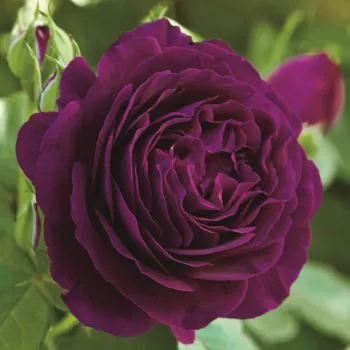
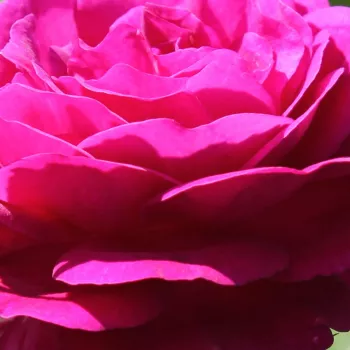
Clusters of large, very double, cup-shaped blooms with more than 40 petals; remontant habit gives strong first flush followed by abundant repeat blooming through the season. |
| Colour data and phenology |
Velvety deep violet-purple with smoky overtones (RHS 79A, 83A); colour holds well, lightening towards smoky mauve or pinkish tones in strong heat, deepest in cooler conditions. |
| Fragrance and aroma |
Exceptionally strong, garden-filling fragrance with a spicy character lifted by lemon notes; selected and awarded specifically for powerful scent both outdoors and in cut arrangements. |
| Hip characteristics |
Occasional orange-red spherical hips, approximately 11–17 mm in diameter, forming after un-deadheaded flowers and adding a modest late-season decorative touch when left on the plant. |
| Resistance and winter hardiness |
Hardy to around –26 to –23 °C (RHS H7; Swedish zone 4; USDA 5b); disease resistance moderate, with average tolerance to powdery mildew, black spot, and rust in typical seasons. |
| Horticultural recommendations |
Best in well-drained, fertile soil with regular watering in drought; deadhead for tidiness and repeat bloom, suitable for borders, specimens, hedging, large containers, and cutting beds. |
WEKEBTIDERE offers velvety violet blooms, powerful fragrance and long-term, own-root resilience in borders or large containers, making it a cultured choice if you favour romantic impact with manageable care.