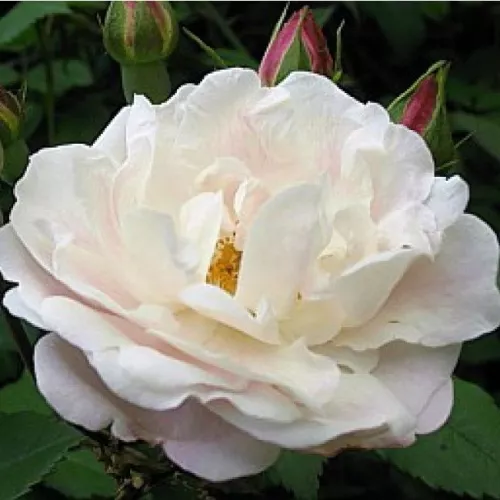
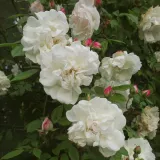
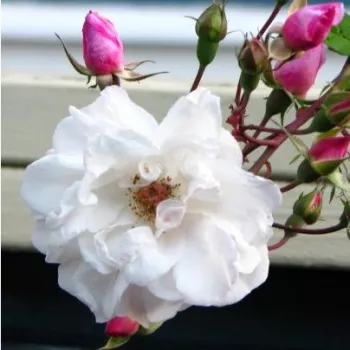
VENUSTA PENDULA – white historic rambling-climbing rambler rose
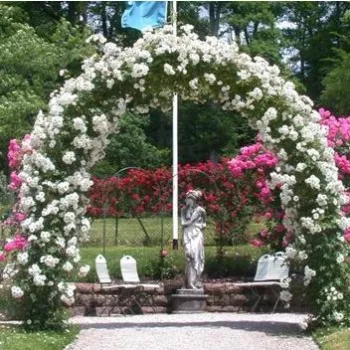
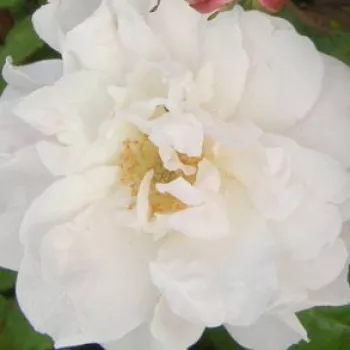
With its long, arching canes and dainty, powder-pink buds opening to soft white, VENUSTA PENDULA creates an effortlessly romantic backdrop for tea and long summer evenings under an arbour. This historic rambler is easy to live with: semi-double, self-cleaning clusters mean less deadheading, while its tolerant, own-root constitution offers reassuring longevity and graceful renewal after pruning or weather damage. Ideal for pergolas, arches and old walls, it accepts partial shade and copes reliably even where gardens face persistent coastal breezes and heavier soils, as long as drainage is improved. Over time its climbing habit softens boundaries and frames views, the matt, bluish-green foliage setting off the flowers’ creamy petals and mild, musky fragrance. As an own-root rose it is planted once and cherished for years, quietly maturing into a storybook presence.
Usage options
| Target area | Reasoning |
|---|
| Pergola over a seating area |
Long, flexible canes and a naturally climbing habit allow VENUSTA PENDULA to drape a pergola in soft, cascading growth, creating a sheltered, storybook canopy over a bench or table and framing relaxed afternoon tea for romantic, cottage-style families and beginners. |
| Rose arch at a garden entrance |
Its once-a-year cloud of semi-double white blooms from pink buds makes a striking seasonal gateway, while self-cleaning flowers reduce fiddly grooming, keeping a front-garden arch welcoming yet low-effort for busy homeowners and urbanites. |
| Training along fences or boundaries |
The tall, spreading structure easily covers plain fencing, softening boundaries with matt bluish-green foliage and pendulous flowering shoots; own-root resilience supports long-term coverage with minimal replacement for practical, family-focused gardeners. |
| Climbing over old walls or outbuildings |
This historic rambler harmonises beautifully with brick, stone or timber, its relaxed growth draping surfaces without needing complex shaping; moderate maintenance and forgiving vigour particularly suit traditional homes and time-pressed owners. |
| Growing into or through a small tree |
The light, rambling framework can be guided into a sturdy small tree, sending pale, fragrant clusters through existing branches and extending flowering interest higher up, appealing to creative cottage-garden enthusiasts and experimental hobbyists. |
| Lightly shaded cottage borders |
Shade tolerance allows flowering in sites with only part-day sun, such as north-facing house walls or dappled areas; once established, it contributes romantic height and texture where many roses would sulk, suiting real-world plots and practical newcomers. |
| Seasonal feature near patios or terraces |
The mild, musky scent and soft colour palette are best appreciated close up, while the non-remontant flush concentrates maintenance into one main season; year to year it returns reliably, deepening character for relaxed outdoor-living families and contemplative couples. |
| Large container by an entrance or on a terrace |
In a minimum 40–50 litre container with good drainage, its own-root vigour and moderate disease resistance provide a stable, long-lived vertical accent that copes well even where gardens face persistent coastal winds and heavier soils, suiting flexible-space users and balcony gardeners. |
Styling ideas
- Pastel Archway – Train VENUSTA PENDULA over a metal or wooden arch and underplant with soft pinks and whites such as Lychnis alpina and white campanulas for a gentle, welcoming entrance – ideal for romantic, cottage-style households.
- Tea Pergola – Let its pendulous canes weave over a pergola above a bistro set, combining with fragrant herbs and pale clematis for afternoon tea in dappled shade – perfect for families who value relaxed outdoor dining.
- Storybook Wall – Drape it along an old brick wall with blue globe thistles and Knautia macedonica in front to echo its airy clusters and foliage – suited to those seeking a traditional, slightly wild English-country look.
- Tree Veil – Guide the rambler into a sturdy small tree, allowing white clusters to appear like a second blossom above a lawn or kitchen garden – appealing to creative gardeners who enjoy layered, informal planting.
- Courtyard Column – Grow it in a 50 litre pot with a tall obelisk, its self-cleaning blooms keeping maintenance low in paved spaces, paired with terracotta pots of herbs – ideal for busy urban owners with limited borders.
Technical cultivar profile
| Property | Data |
|---|
| Name and registration |
VENUSTA PENDULA, historic Ayrshire rambler; heritage climbing rose sold on own roots; unregistered cultivar with long-standing garden use and verified authenticity for reliable identification. |
| Origin and breeding |
Seedling of Rosa arvensis × unknown pollen parent; historic origin with early distribution by W. Kordes’ Söhne in 1928; breeder and exact breeding year uncertain, typical of traditional heritage roses. |
| Growth and structural characteristics |
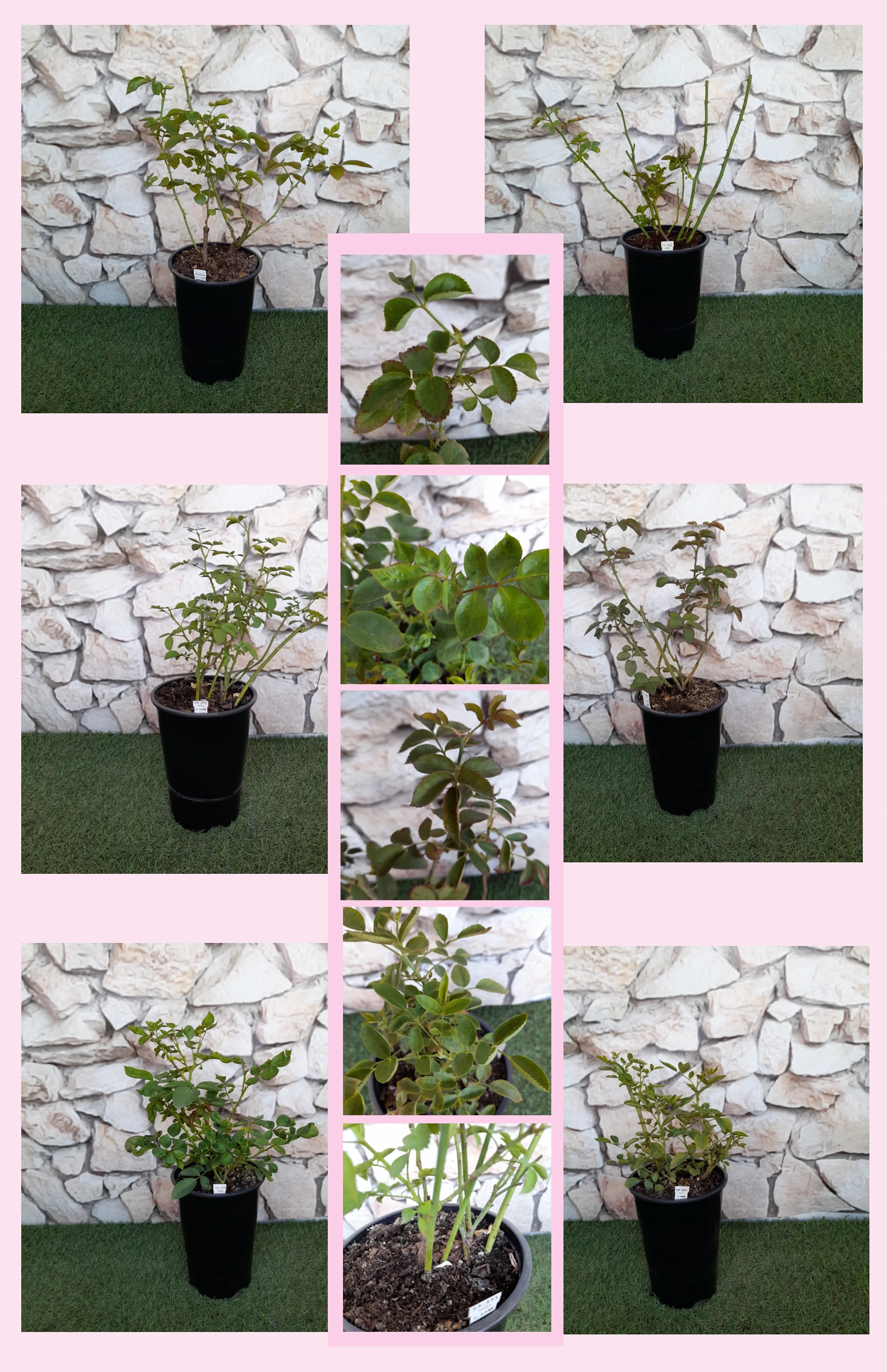
Strong, rambling climber reaching about 4.7–6.9 m high, spreading 2.1–3.3 m; moderately dense, matt, bluish-green foliage with moderate prickles; best when tied and fanned to supports. |
| Flower morphology |
Semi-double, cup-shaped clusters with roughly 13–25 petals; medium-sized blooms in generous trusses, non-remontant but showy; petals fall cleanly for a naturally tidy effect after flowering. |
| Colour data and phenology |
Pale pastel pink buds open to bone-white flowers with a delicate pink tint, fading quickly in strong sun; main display in early to mid-summer, offering a single, concentrated flush of blossom. |
| Fragrance and aroma |
Mildly scented variety with a subtle musky note; fragrance is best appreciated at close range in still air, adding gentle character rather than heavy perfume to seating areas and paths. |
| Hip characteristics |
Rose hips form sparsely; where present they are small, spherical and red, around 15–22 mm, offering modest late-season interest without significantly weighing down the flexible shoots. |
| Resistance and winter hardiness |
Hardy to about −21 to −18 °C (RHS H7, USDA 6b, Swedish zone 3); moderate tolerance of heat and drought with watering in dry spells; disease resistance generally moderate, occasional protection useful. |
| Horticultural recommendations |
Best on pergolas, arches, fences, walls or trained into trees at 2.15–3.5 m spacing; suitable for partial shade; ensure good drainage on heavy soils and provide sturdy support for mature framework. |
VENUSTA PENDULA offers romantic once-a-year cascades of soft white bloom, reliable own-root longevity and forgiving shade tolerance, making it a cultured choice for those wishing to plant a long-term climbing feature with confidence.