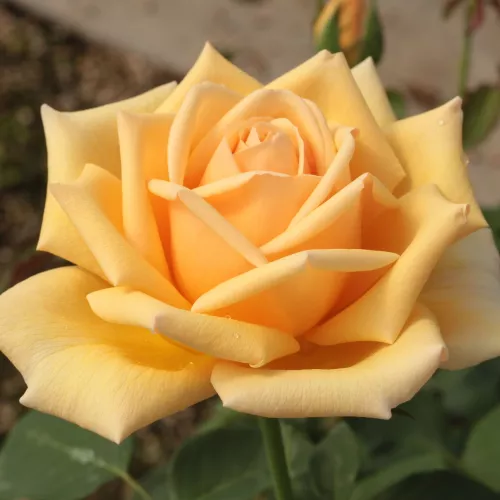
VALENCIA ® – apricot hybrid tea rose – Kordes
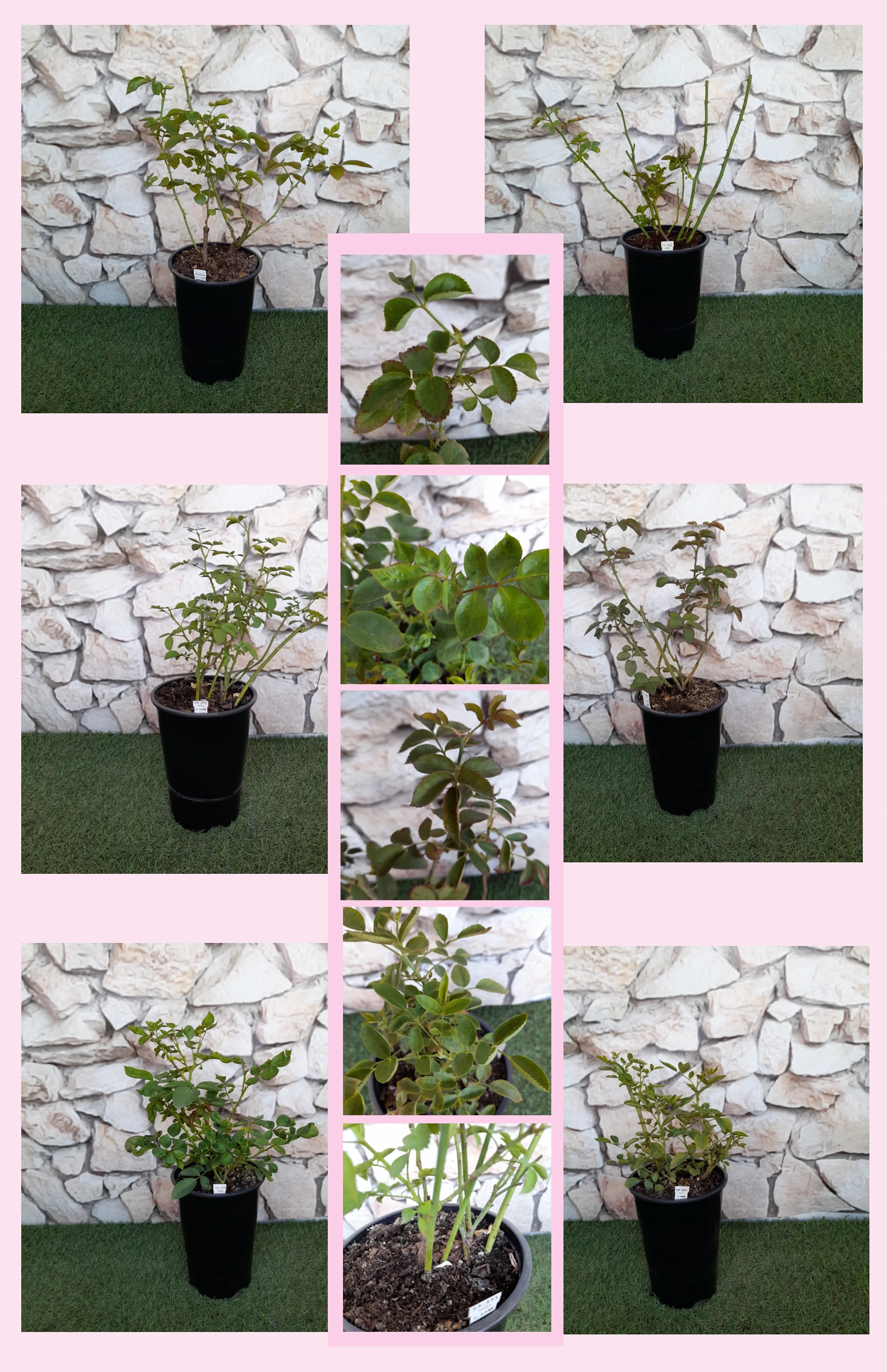
This classic hybrid tea brings a softly glowing, peach‑amber bloom to your cottage border, with high‑centred flowers perfect for cutting and a fragrance that fills the air at afternoon tea. On its own roots it settles in reliably, building long‑lasting structure and the ability to regenerate from the base, so you can enjoy a mature, well‑furnished shrub for years rather than seasons. In exposed or breezy gardens it stands firm, coping well with typical British weather and those changeable, blustery days near the coast. Medium care needs and good health against black spot keep tasks simple, while glossy dark foliage frames the warm blooms. Over time it forms a neat, upright habit ideal for small to medium family gardens, from narrow side borders to front paths. Thanks to its versatility in the border and as a cut flower, this rose supports an inviting, storybook ambience, with colour and perfume that suit “girly” cottage planting and a relaxed, rural kitchen‑garden feel. Its pace in the garden is reassuringly steady: strong roots in the first year, more flowering shoots in the second, then full ornamental impact from the third season onwards.
Usage options
| Target area | Reasoning |
|---|
| Sunny cottage‑style border by a terrace or seating area |
The upright habit and medium height make it easy to place near seating without overwhelming the space, while blooms are held at ideal eye and nose level for enjoying the strong, fruity scent during afternoon tea outdoors – well suited to the scent‑loving beginner. |
| Feature rose in a small to medium front garden |
Its neat, structural form and glossy foliage give a tidy look for most of the year, even between flushes of bloom, so front gardens keep their smart, traditional character with minimal shaping and straightforward winter pruning – ideal for time‑pressed homeowners. |
| Cutting row or kitchen‑garden edge for home arrangements |
High‑centred, exhibition‑quality flowers on strong stems are made for vases, allowing regular picking without spoiling the shrub’s outline; remontant flowering means further stems follow through the season, pleasing those who enjoy home‑grown bouquets. |
| Mixed cottage border with perennials and grasses |
The warm peach‑orange flowers blend softly with silvers and dusky pinks while the dense foliage provides a solid backdrop; moderate disease resistance and own‑root resilience support long‑term border plans for gardeners thinking about future structure. |
| Family garden rose bed in typical UK conditions |
Good tolerance of summer warmth and dry spells, provided it is watered in prolonged drought, makes it reliable through varied British summers; on heavier soils it appreciates improved drainage or a raised spot, coping well with breezier, changeable coastal gardens. |
| Decorative hedge or repeated accents along a path |
Regular spacing creates a low, elegant line of foliage and blooms that guides the eye through the garden; own‑root plants establish evenly and, if one is cut back hard, it regrows in character, reassuring those planning balanced, long‑lived borders. |
| Large containers on patios, drives or balconies |
In a 40–50 litre or larger pot, its upright shape fits compact spaces, and watering plus occasional feeding are the main tasks; strong fragrance and warm colour deliver “big” garden atmosphere where ground planting is limited, suiting busy urban gardeners. |
| Long‑term specimen for low‑intervention gardens |
As an own‑root shrub it ages gracefully, with the ability to regenerate from the base and maintain flowering quality over many years, so you avoid graft‑related decline and frequent replacing of plants – attractive for relaxed, low‑input families. |
Styling ideas
- Peach‑tea path – Line a front path with repeated plants and low lavender or catmint, using the strong fragrance and upright habit to create a scented welcome – ideal for traditional‑style homeowners.
- Kitchen‑jug border – Combine with herbs, Scabiosa and soft pinks so you can cut stems regularly for jugs on the table while the shrub keeps its neat form – perfect for cottage‑kitchen gardeners.
- Sunset corner – Place in a sunny seating nook with warm‑toned perennials and ornamental grasses, letting the peach‑amber blooms echo evening light – appealing to evening‑tea romantics.
- Storybook hedge – Create a low, repeating hedge along a lawn or vegetable‑garden edge, relying on its consistent structure and own‑root longevity – suited to families planning long‑term gardens.
- Patio focal pot – Grow one plant in a 50‑litre terracotta container, underplanting with trailing thyme, so fragrance and colour dress even a small terrace – good for busy urban balcony owners.
Technical cultivar profile
| Parameter | Data |
|---|
| Name and registration |
Hybrid tea rose, registered as KOReklia; marketed as Valencia ® hybrid tea rose. Belongs to the hybrid tea group, with exhibition‑quality, high‑centred blooms suitable for garden and cutting. |
| Origin and breeding |
Bred by Wilhelm Kordes III in Germany from ‘Jana’ × ‘Whisky Mac’. Introduced and registered in 1989 by W. Kordes & Sons, reflecting classic Kordes hybrid tea form and colour. |
| Awards and recognition |
Holder of the RHS Award of Garden Merit (2001), plus international honours including Durbanville Gold Medal (1988) and RNRS Edland Fragrance Medal and Certificate of Merit in 1989. |
| Growth and structural characteristics |
Upright, bushy shrub 70–100 cm tall and 50–70 cm wide, with dense, dark green glossy foliage and moderate prickles. Spent blooms need deadheading as self‑cleaning is relatively weak. |
| Flower morphology |
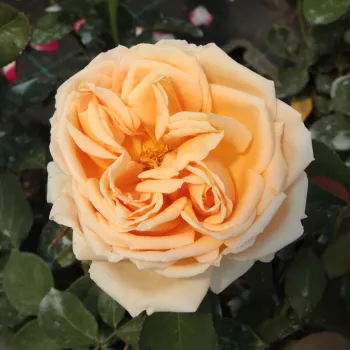
Fully double, high‑centred blooms with 26–39 petals, in classic pointed‑bud hybrid tea form. Large flowers are mainly borne singly on stems, with remontant, abundant second flushes. |
| Colour data and phenology |
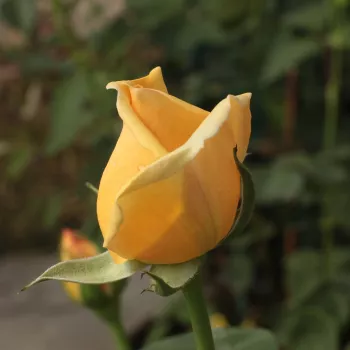
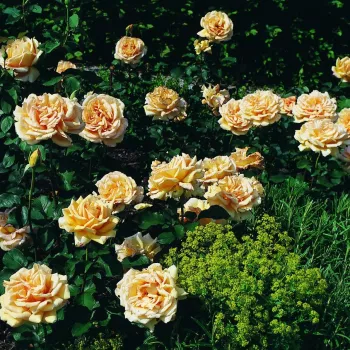
Rich peach‑orange with golden tones; buds golden yellow, opening copper‑peach then softening to creamy pastel peach. Colour may lighten in strong sun, but retains an overall warm appearance. |
| Fragrance and aroma |
Strong, characterful scent combining sweet, fruity notes with deep rose richness. Fully double form offers moderate pollinator interest only, as stamens are not easily accessible to insects. |
| Hip characteristics |
Produces ovoid orange‑red hips, around 10–14 mm across, in moderate quantities. Hips add subtle late‑season interest if deadheading is reduced towards autumn, extending ornamental presence. |
| Resistance and winter hardiness |
Hardy to approximately −26 to −23 °C (RHS H7, USDA 5b, Swedish zone 4). Good heat tolerance; requires watering in long dry spells. Moderate mildew resistance; black spot and rust resistant. |
| Horticultural recommendations |
Best in full sun with improved drainage on heavy clay. Space 40–80 cm depending on use, 4–4.6 plants/m² for massing. Medium maintenance, with occasional plant protection and regular deadheading. |
VALENCIA ® – apricot hybrid tea rose – Kordes offers strong fragrance, a tidy upright habit and long‑term own‑root reliability for romantic cottage gardens, and is well worth considering for your next planting choice.