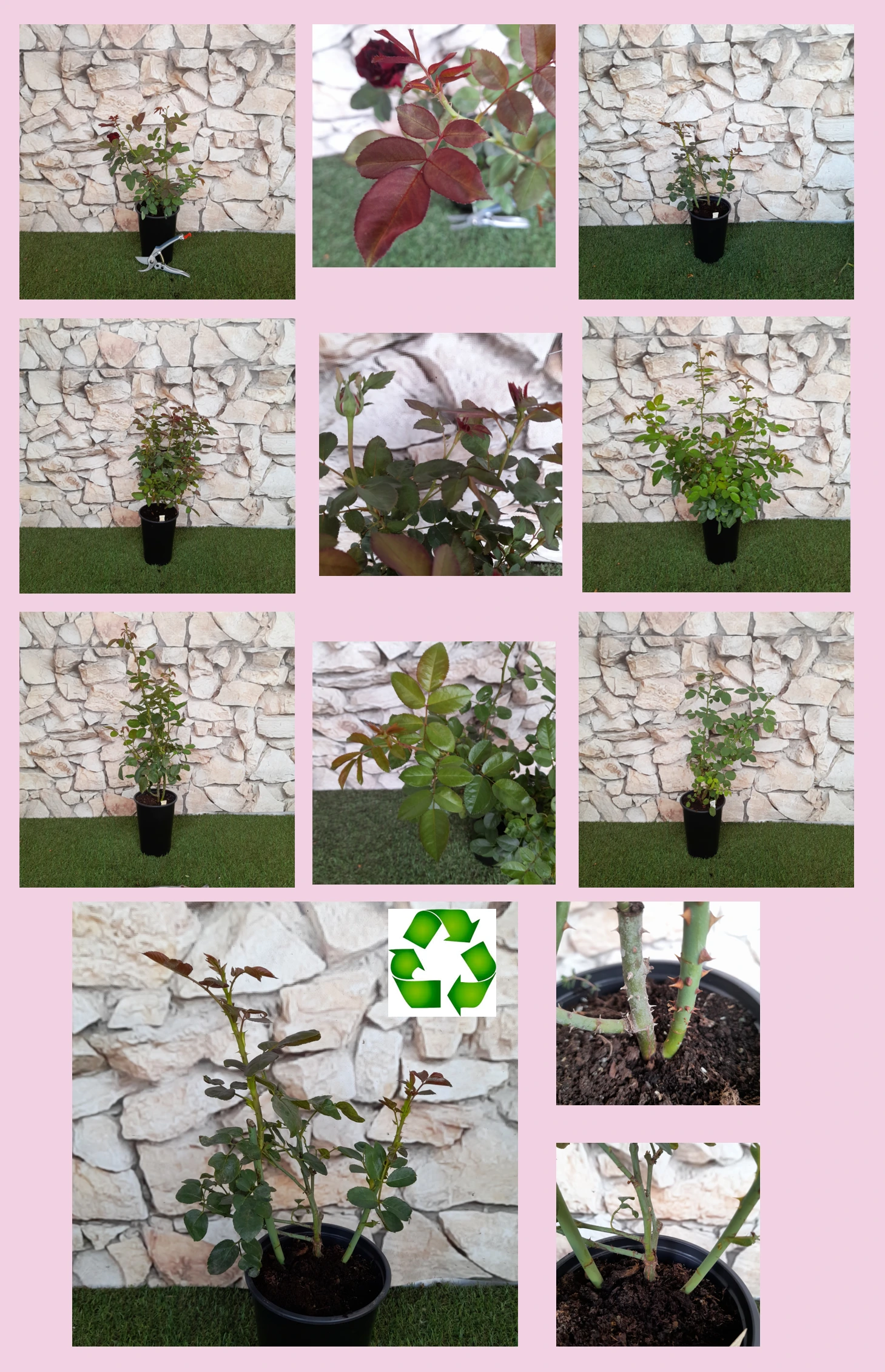
THUNDERSTRUCK – orange-yellow climbing rose (climber) - Orard
With its spectacular, lightning‑like striping, THUNDERSTRUCK brings a truly romantic focal point to pergolas, arches and sunny house walls, creating an instant storybook feel even in smaller family gardens. The dense, dark foliage provides a lush backdrop for the cup‑shaped, double blooms, whose orange‑yellow, cream and smoky tones look equally at home in a “girly” cottage border or beside a neat kitchen garden path. As an own‑root plant it builds strength steadily, living longer, regenerating well after pruning and retaining stable ornamental value without complicated care. Over time it forms a well‑anchored framework that copes reliably with wind and changeable weather, especially when given good soil preparation and support. You can enjoy dependable repeat flowering from early summer onwards, with clusters that refresh the display after each light trim, while basic tasks such as tying in shoots, dead‑heading and watering in prolonged dry spells remain pleasantly manageable. In a large planter of at least 40–50 litres on a terrace or near a seating area, its colourful striped blooms lend a cosy arbour feel above afternoon tea, while thoughtful spacing and training keep it airy and healthy. THUNDERSTRUCK rewards patient beginners as well as experienced gardeners, moving from establishing roots, to fuller shoots, to rich ornamental value over three seasons in a typical family garden.
Usage options
| Target area | Reasoning |
|---|
| Pergola or arbour over seating |
Trained over a pergola, THUNDERSTRUCK creates a cosy, romantic canopy whose striped orange‑yellow blooms glow beautifully in afternoon light. Regular repeat flowering keeps the overhead display fresh with only modest tying‑in and dead‑heading, ideal for relaxed homeowners. |
| Sunny house wall or fence |
This vigorous climber quickly clothes a sunny wall or sturdy fence with dense, dark green foliage and colourful clusters, softening brick or timber. Once well rooted and tied securely, it forms a stable framework that withstands breezy, changeable conditions near exposed plots, suiting practical family-buyers. |
| Cottage-style mixed border backdrop |
Placed at the back of a cottage border, its tall, climbing habit and richly patterned blooms make a romantic backdrop for herbaceous favourites. It works particularly well behind fragrant cranesbill and soft grasses, giving height and drama without fussy maintenance for cottage-garden enthusiasts. |
| Feature rose for kitchen garden edge |
Along the edge of a kitchen garden, THUNDERSTRUCK adds vertical colour and a nostalgic feel, while staying manageable with occasional pruning and tying in. Its moderate thorniness and structured growth make it easy to keep paths clear, suiting practically minded grow-your-own gardeners. |
| Large container near patio or terrace |
In a 40–50 litre or larger container with a trellis, this climber brings height and romance to patios where borders are limited. Its own‑root vigour and remontant blooming give long‑term value; you mainly need regular watering and light pruning, perfect for time‑pressed urban-owners. |
| Informal flowering screen between properties |
Planted in a loose row and trained on posts and wires, it forms an airy, flower‑laden screen, softening boundaries while allowing light through. The climbing habit and repeat flowering provide privacy and colour with moderate upkeep, an attractive option for sociable neighbours. |
| Statement specimen on a freestanding arch |
Used as a specimen on an arch, its smoky buds and striped blooms draw the eye from across the garden. With thoughtful training and occasional thinning, you can maintain a graceful structure and prolonged flowering, rewarding patient yet busy hobby-gardeners. |
| Family garden rose walk or entrance feature |
Along a path or at an entrance, matched plants on supports create a welcoming tunnel of colour that matures year by year. It establishes gradually, moving from root building to stronger shoots to full impact, while coping reliably with gusty, unsettled weather that often challenges coastal beginners. |
Styling ideas
- Cottage Archway – Train THUNDERSTRUCK over a simple metal arch with fragrant cranesbill and soft pink foxgloves beneath for a romantic, storybook entrance – ideal for lovers of classic cottage charm.
- Kitchen Corner – Place it on a wooden trellis beside raised vegetable beds, pairing with dwarf yew and chives to blend productive and ornamental planting – suited to practical kitchen‑garden owners.
- Patio Pergola – Grow it in a large 50‑litre container at the corner of a pergola, underplanting with low herbs for scent around outdoor seating – perfect for busy urban gardeners.
- Soft Boundary – Use several plants along a fence with feather reed‑grass and hardy geraniums to create a semi‑transparent, flowering screen – good for families wanting privacy without heaviness.
- Fairytale Nook – Frame a bench with two climbers on obelisks, adding pale roses and lavender at their feet for an enveloping, cosy hideaway – appealing to romantic, “girly” garden stylists.
Technical cultivar profile
| Parameter | Data |
|---|
| Name and registration |
THUNDERSTRUCK – orange-yellow climbing rose, registered as ORAlodsem, large-flowered climber and exhibition climbing rose; current trade name THUNDERSTRUCK Climbing rose ORAlodsem. |
| Origin and breeding |
Bred by Pierre Orard, France, in 2011 from ORAstricap × (MEIronsse × HARzazz); introduced by Weeks Roses (USA, 2017) and Matthews Nurseries (New Zealand, 2015). |
| Awards and recognition |
International Rose Competition Barcelona Gold Medal, recognising its distinctive striped colouring, repeat flowering performance and ornamental value as a modern climbing rose. |
| Growth and structural characteristics |
Climbing habit, height about 220–330 cm, spread 180–280 cm, dense dark green glossy foliage, moderately thorny canes; self-cleaning is moderate, some spent blooms need manual removal. |
| Flower morphology |
Medium-sized, cup-shaped double flowers with 26–39 petals, borne in clusters of 3–5 per stem; remontant, with an abundant second flush following the main early-summer flowering. |
| Colour data and phenology |
Smoky orange-brown buds; butter-cream on dark, smoky orange-brown with reddish streaks, ARS OB; RHS 168A outer, 11D inner; colour softens to rosy-peach with paler pink stripes in strong sun. |
| Fragrance and aroma |
Fragrance is very weak and mainly decorative; a light rose note may be detectable close up, but overall scent impact is minimal compared with its strong visual striping effect. |
| Hip characteristics |
Occasional orange-red, ellipsoidal hips, around 10–14 mm in diameter, forming after un-deadheaded blooms; of primarily ornamental interest rather than for culinary or wildlife planting schemes. |
| Resistance and winter hardiness |
Hardy to about −26 to −23 °C (RHS H7, USDA 5b, Swedish Zone 4); disease resistance moderate overall, with good black spot resistance and moderate susceptibility to mildew and rust. |
| Horticultural recommendations |
Best in sunny positions with support on pergolas, walls or fences; water during prolonged dry spells, prune and tie in annually; spacing 215–350 cm depending on use, planting density about 0.2 plants/m². |
THUNDERSTRUCK Climbing rose ORAlodsem offers dramatic striped blooms, strong climbing structure and dependable repeat flowering on a long-lived own-root framework, making it a thoughtful choice for a romantic, easy-care family garden.