TIFFANY – pink tea-hybrid rose - Lindquist
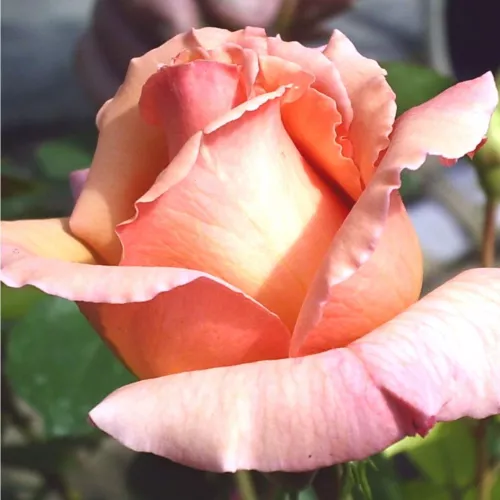
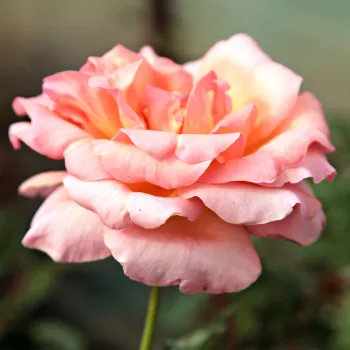
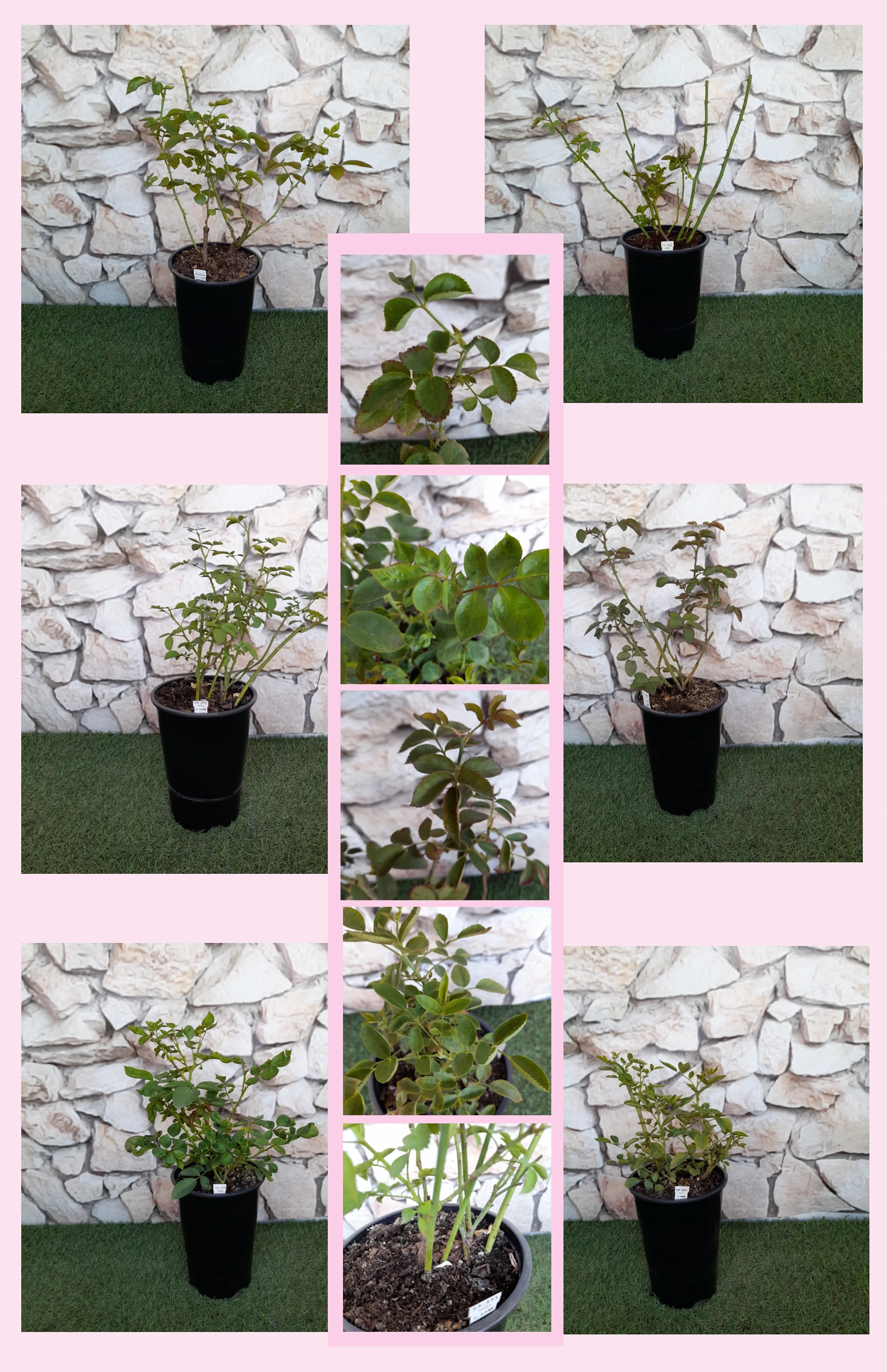
Let TIFFANY bring a touch of New York salon elegance to an English cottage-style garden, with refined, high-centred blooms in shades of apricot-pink and powder pastel. Bred for sumptuous, award-winning fragrance, it perfumes a seating area or path with a rich, fruity scent that feels perfect for slow afternoon tea beneath an arbour. On its own roots, TIFFANY is bred for reassuring longevity, quietly rebuilding from the base and keeping its shape season after season with only simple, occasional pruning. Container-grown in a 2-litre pot, it is easy to establish in small family gardens, even where you face brisk coastal breezes and need planting positions that cope well with wind and rain. In its first three years it settles in steadily – first rooting in, then building shoots, then revealing its full, romantic ornamental display.
Usage options
| Target area | Reasoning |
|---|
| Feature rose near a seating area or terrace |
TIFFANY’s very strong, fruity perfume and elegant, high-centred blooms are at their best where you can pause beside them, making a single shrub near a bench or patio table feel like an intimate, scented retreat for those who adore traditional romance garden-lovers |
| Key plant in a romantic cottage border |
The refined salmon-pink to peach-cream colour range blends easily with perennials and herbs, softening fencing or walls and giving a “storybook” look without demanding complex care routines, ideal when you want classic charm with straightforward upkeep cottage-style enthusiasts |
| Cutting bed for home bouquets |
As a classic hybrid tea with long, straight stems and solitary, high-centred flowers, TIFFANY is superb for cutting, providing repeat flushes of exhibition-style blooms so you can fill vases indoors while the shrub continues to flower outside home florists |
| Own-root specimen with long-term garden presence |
Grown on its own roots, TIFFANY forms a stable, rejuvenating framework that ages gracefully, recovering well after harder pruning and avoiding graft-related issues, so one planting can serve as a dependable highlight in the same spot for many years long-term planners |
| Border choice for warmer, drier positions |
Good heat and drought tolerance means TIFFANY holds up well in sunnier, drying parts of the garden, provided it receives regular watering in prolonged dry spells, suiting South-facing borders and more exposed town plots that warm up quickly busy householders |
| Family garden rose with manageable care needs |
With moderate disease resistance and a medium maintenance requirement, this rose fits into everyday family routines: basic deadheading, the odd plant protection treatment in high-pressure seasons, and a simple annual prune usually suffice for reliable flowering time-poor gardeners |
| Wind-aware planting along paths or in open gardens |
The upright habit and reasonably sturdy framework help it cope with open situations; with thoughtful staking in very exposed spots, it performs well where gardens meet stronger weather and regular showers from changeable skies in coastal-influenced areas practical owners |
| Large container on patio, balcony, or front step |
Planted in a quality compost mix in a generous 40–50 litre or larger container, TIFFANY’s upright growth and repeat flowering create a smart vertical accent, turning compact spaces into scented “rooms” while remaining easy to water and care for at arm’s reach urban gardeners |
Styling ideas
- Arbour – Train TIFFANY loosely around a light obelisk by a bench, underplant with lavender and nepeta for a soft, tea-in-the-garden feel – perfect for lovers of nostalgic seating corners.
- Ribbon – Plant a curving line along a path with white catmint and soft grasses to highlight its pastel blooms as you walk by – ideal for families who enjoy evening strolls.
- Pastel – Combine TIFFANY with pale foxgloves, soft-pink geraniums and silvery foliage for a dreamy cottage palette – suited to romantically inclined homeowners.
- Kitchen – Border a kitchen garden bed with TIFFANY and aromatic herbs like thyme and chives to bridge ornamental and productive areas – appealing to those who cook from the garden.
- Statement – Place a single shrub in a large terracotta pot by the front door for scent and formality, paired with clipped box for structure – ideal for busy urban entrances.
Technical cultivar profile
| Parameter | Data |
|---|
| Name and registration |
TIFFANY is a classic hybrid tea rose (Registered Cultivar Name ‘Tiffany’), sold as TIFFANY – pink tea-hybrid rose - Lindquist, with ARS-approved exhibition name Tiffany for show purposes. |
| Origin and breeding |
Bred by Robert V. Lindquist in the United States, introduced in 1954 by Howard Rose Company; parentage is ‘Charlotte Armstrong’ × ‘Girona’, combining vigorous growth with refined, exhibition-grade flowers. |
| Awards and recognition |
Highly decorated: Portland Gold Medal 1954, All-America Rose Selections Award 1955, ARS David Fuerstenberg Prize 1957 and James Alexander Gamble Fragrance Medal 1962 for outstanding scent. |
| Growth and structural characteristics |
Upright hybrid tea, typically 90–130 cm high and 60–100 cm wide, with moderately dense, dark green, slightly glossy foliage and a moderately thorny framework; prefers sunny positions and shelter from spring frosts. |
| Flower morphology |
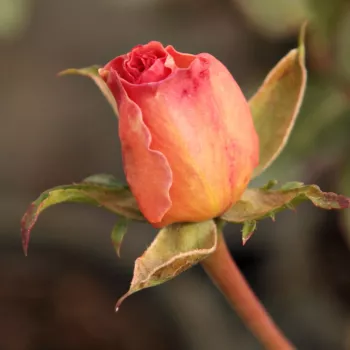
Medium-sized, double blooms with 26–39 petals, produced mainly as solitary, high-centred, pointed buds in classic cut-rose form; remontant habit, giving a generous second flush in suitable conditions. |
| Colour data and phenology |
Soft salmon-pink with warm apricot tones, shifting to peach-cream and powder pink with ivory-tinged edges; moderate colour retention, with strong sun gently accelerating lightening yet retaining overall attractiveness. |
| Fragrance and aroma |
Very strong, rich, fruity fragrance, often noticeable from a distance; awarded for scent quality, ideal near doors, paths and seating areas where the perfume can be fully appreciated in everyday garden use. |
| Hip characteristics |
Occasional small, spherical red hips, around 10–14 mm across, form after flowering if blooms are not deadheaded; hips are decorative but not a major ornamental feature of this cultivar. |
| Resistance and winter hardiness |
Hardy to approximately –15 to –12 °C (RHS H6, Swedish Zone 2, USDA 7b), with good heat tolerance; disease resistance is moderate overall, resistant to powdery mildew, moderate to black spot and rust. |
| Horticultural recommendations |
Best in full sun with fertile, well-drained soil; medium maintenance: regular deadheading, annual pruning, spring frost protection and occasional plant protection treatments; recommended spacing 50–90 cm depending on use. |
Choose TIFFANY for richly fragrant, repeat-flowering pastel blooms, reliable own-root longevity and graceful upright structure, a thoughtful option for gardeners seeking lasting romance with manageable care.