THÉRÈSE BUGNET – pink park rose - Bugnet
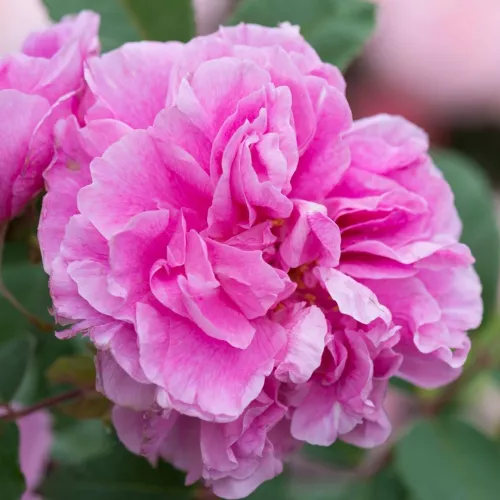
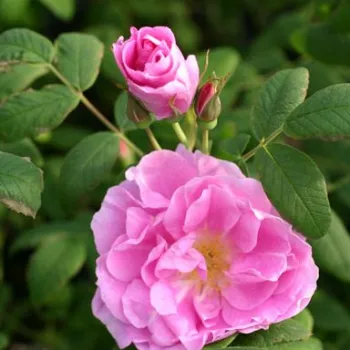
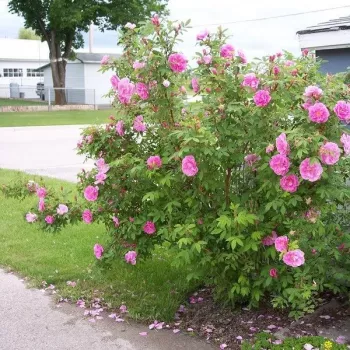
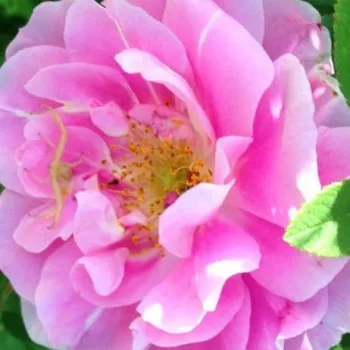
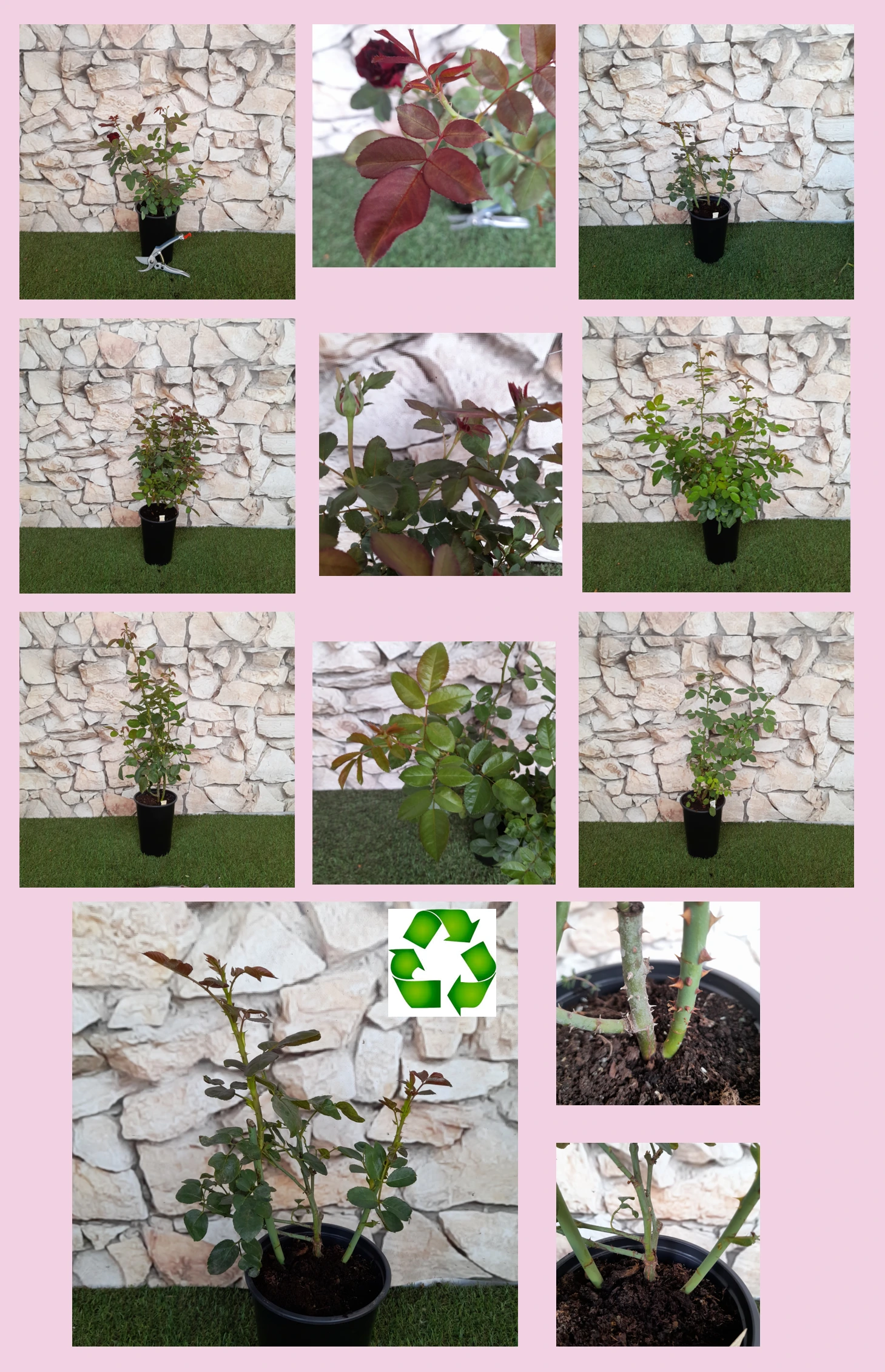
Set the scene for leisurely afternoon tea beneath a leafy arbour with THÉRÈSE BUGNET, a park rose that blends romantic cottage character with reassuringly low-effort care. This tall, bushy Hybrid Rugosa forms a dense, gently arching shrub, ideal for relaxed hedges, mixed borders or as a storybook focal point near a bench or patio. Strong hardiness and excellent disease resistance mean it copes calmly with cool summers, exposed sites and brisk coastal weather, while its deep root system helps it ride out breezy, rain‑laden spells by keeping growth sturdy and anchored. The medium, cupped, double blooms open in warm mid‑pink and soften through pastel tones, lending a soft‑focus effect against the dark, matt foliage, and their strong spicy‑fruity fragrance invites you to pause as you pass. As an own‑root shrub it is naturally long‑lived and regenerates cleanly from the base, so you can prune more freely for shape without worrying about grafts, enjoying a shrub that settles in, knits into the family garden and builds reliable flowering year after year, with year‑by‑year progress from roots in the first season to fuller shoots in the second and its best ornamental display by the third season. Easy planting from the 2‑litre pot, together with only occasional pruning, makes this a reassuring choice for beginners and busy gardeners who still dream of a romantic cottage border and a traditionally scented garden hedge.
Usage options
| Target area | Reasoning |
|---|
| Informal flowering hedge along a boundary or driveway |
Its tall, bushy habit, dense foliage and slightly thorny stems create a soft but effective boundary that reads as cottagey rather than formal. Regular light trimming keeps it upright and full, while own‑root growth means it will regenerate from the base if ever cut back hard, supporting long hedge life for family gardeners. |
| Feature shrub near a seating area or terrace |
The strong spicy‑fruity scent and medium, cupped blooms are most appreciated close at hand, making it perfect beside a bench, pergola or patio. Plant where breezes can carry the fragrance across your seating spot, and enjoy repeat flushes with only basic pruning, ideal for romantic‑garden lovers. |
| Background structure in a mixed cottage border |
Its 130–200 cm height and dark, matt foliage give a reliable green backdrop for perennials, kitchen‑garden herbs and front‑of‑border roses. The softening pink flowers weave easily into traditional palettes, creating that layered, “grown over time” look that suits relaxed cottage planting for cottage‑style owners. |
| Low‑input rose choice for exposed or cool‑summer gardens |
With H7/RHS and USDA Zone 2a rating, it shrugs off cold winters and erratic weather, making it suitable for much of the UK, including breezier, wetter areas. This robustness reduces replacement and fuss, offering a more forgiving experience for practical homeowners. |
| Low‑maintenance rose for busy or novice gardeners |
Requiring only occasional pruning and basic care, this shrub suits those who want a “plant and enjoy” rose rather than a high‑maintenance diva. Own‑root vigour supports steady recovery after pruning and long service life, simplifying yearly tasks for time‑pressed beginners. |
| Rural or semi‑rural kitchen‑garden edge |
Its park‑rose heritage and sturdy shrub form sit naturally beside vegetable beds, fruit cages and gravel paths, giving a traditional farmhouse feel. Heat and moderate drought tolerance reduce worry during dry spells when watering priorities go to crops, suiting kitchen‑garden keepers. |
| Structure and screening in larger family gardens |
The wide spread and substantial height provide gentle screening around play areas, compost corners or utility spaces without feeling harsh. Because it is own‑root, it can be rejuvenated by harder pruning when needed, then rebuilt over a few seasons, useful for evolving family spaces and growing families. |
| Part‑shade planting near walls, arbours or outbuildings |
Suitable for partial shade, it performs reliably where sun is limited, such as along a north‑east fence or near an arbour, helping you green up awkward spots that also feel the brunt of wind and rain off the open landscape, making life easier for small‑garden owners. |
Styling ideas
- Cottage-Hedge – Plant a loose, fragrant boundary with THÉRÈSE BUGNET at 85–100 cm intervals, underplanting with catmint and hardy geraniums – for families who want a traditional, low‑fuss edge.
- Tea-Corner – Flank a bistro set or garden bench with one or two shrubs and pots of lavender to enjoy scent and privacy during afternoon tea – ideal for romantic souls who love slow moments outdoors.
- Kitchen-Rim – Use as a tall, structural backdrop along the outer line of a kitchen garden, interplanted with herbs and switchgrass for movement – for home growers who like a soft rural frame.
- Storybook-Border – Combine with tall phlox, foxgloves and old‑fashioned perennials in pinks and whites to create a layered, fairy‑tale border – perfect for cottage‑style enthusiasts.
- Village-Park – Group several shrubs as a small copse in larger plots or shared green spaces, adding benches beneath for a park‑like feel – suited to community‑minded gardeners and larger‑garden owners.
Technical cultivar profile
| Characteristic | Data |
|---|
| Name and registration |
THÉRÈSE BUGNET – pink park rose - Bugnet; Hybrid Rugosa shrub rose used as a park and garden shrub; ARS exhibition name ‘Thérèse Bugnet’; unregistered cultivar in formal registers. |
| Origin and breeding |
Bred in Canada in 1941 by Georges Charles Julius Bugnet from Rosa rugosa seedling × ‘Betty Bland’; introduced 1950; breeder honoured his sister Thérèse in the naming. |
| Awards and recognition |
Holds the Royal Horticultural Society Award of Garden Merit (RHS AGM), signalling dependable garden performance, robust health and good ornamental value under typical home‑garden conditions. |
| Growth and structural characteristics |
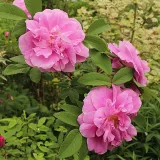
Bushy shrub 130–200 cm tall with 110–180 cm spread; dense, matt dark‑green foliage and only slight prickliness; forms a substantial, leafy framework suitable for hedging and structural planting. |
| Flower morphology |
Medium, cupped, double flowers with 26–39 petals borne mainly in clusters; remontant with a lighter second flush; typical individual bloom size 1.5–2.75 inches across on seasonal wood. |
| Colour data and phenology |
Warm mid‑pink (ARS MP, RHS 68C/68D) buds and blooms fading through pastel pink to almost white centres; colour softens quickly in strong sun, giving a blended, multi‑toned effect on the shrub. |
| Fragrance and aroma |
Strong, distinctive spicy‑fruity rose fragrance, noticeable in still air and best appreciated near paths or seating; double flowers limit nectar access so it is mainly an ornamental, scent‑led variety. |
| Hip characteristics |
Produces occasional ovoid orange‑red hips, 14–22 mm in diameter; hips add seasonal autumn interest and may be left for colour or removed during pruning to tidy the shrub silhouette. |
| Resistance and winter hardiness |
Classed as resistant to powdery mildew, black spot and rust; H7 RHS hardiness and USDA Zone 2a, tolerating approximately −46 to −43 °C; good tolerance of heat and moderate drought in summer. |
| Horticultural recommendations |
Suitable for beds, parks, hedges, solitary specimens and some cutting; plant 85–155 cm apart; tolerates partial shade; low maintenance with occasional pruning, best in well‑drained but not parched soils. |
THÉRÈSE BUGNET offers tall, romantic hedging, strong fragrance and exceptional hardiness in a long‑lived own‑root shrub rose, making it a thoughtful choice for gardeners seeking enduring cottage character with modest effort.